‘Embossing’ Using The ‘Gilding Method’

There are different ways to add the sparkle to your artwork. One of them is ‘Gilding’. It creates a nice embossed sparkling effect. It could be a simple outline or dots or stars or more in that shiny effect. Embossing with the gilding method is best suited for greeting cards as well as art and craft projects in school. In this post, I am going to share some tips to get this process right!

Materials Used
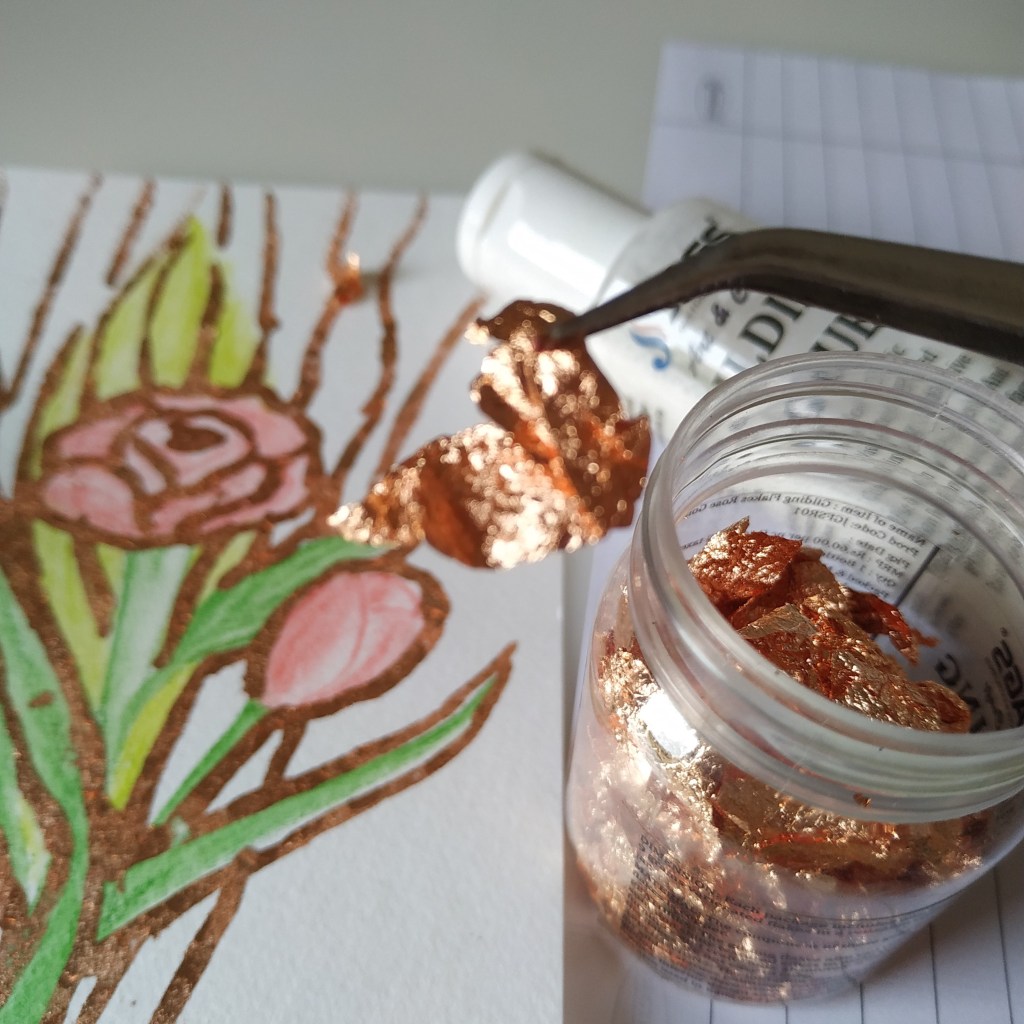
Materials used – Gilding Glue & Gilding Flakes

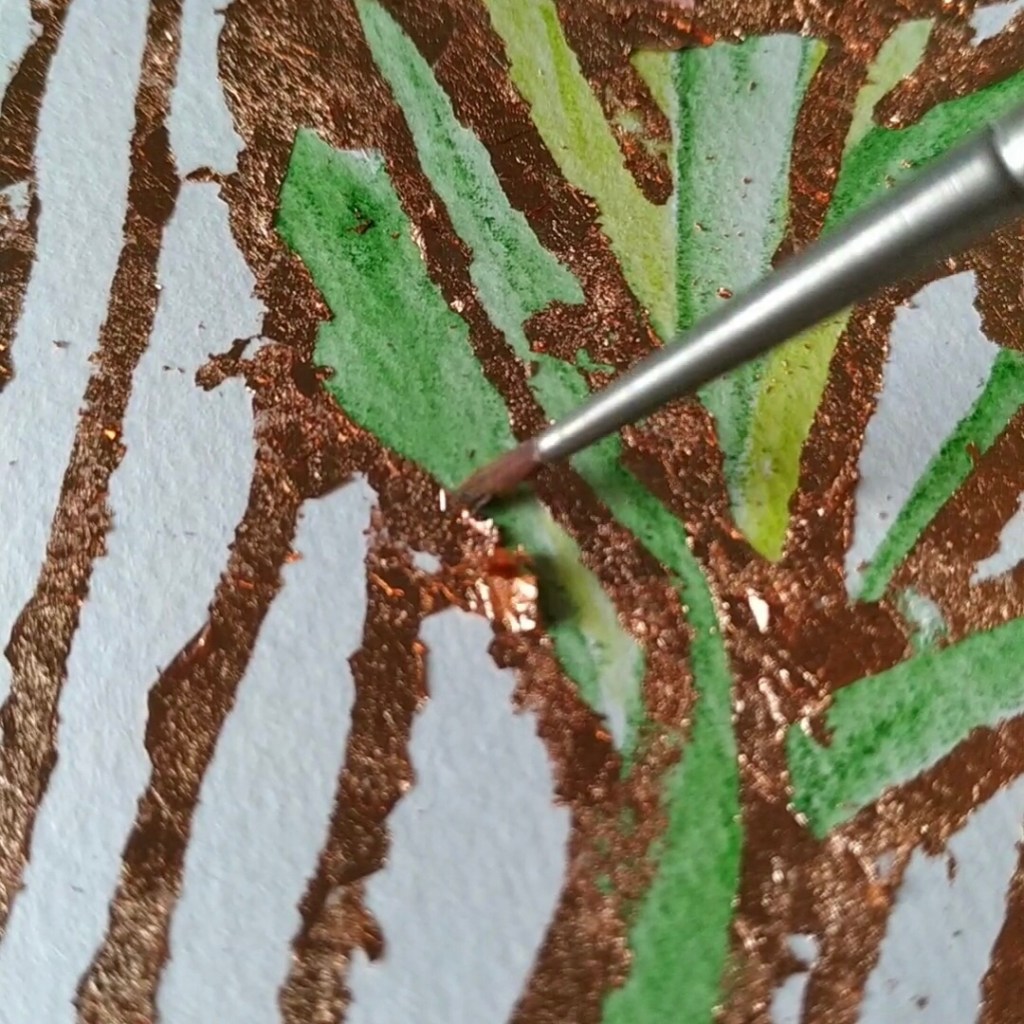
What is the material required? Gilding Glue and Foil Sheets are the main materials. Since I had Gilding Flakes at home, I used them. Gilding Foil Sheets are like cheese slices while Flakes are like crumbs or grated cheese. Hehe..I didn’t know how else to explain it without showing the product. The flakes give a crackled finish while a foil sheet gives a very smooth finish. Other than that we need a brush to apply the glue and dust off excess. Last but not least tissue paper or cloth. Gilding method is a highlight or add on to your existing artwork.

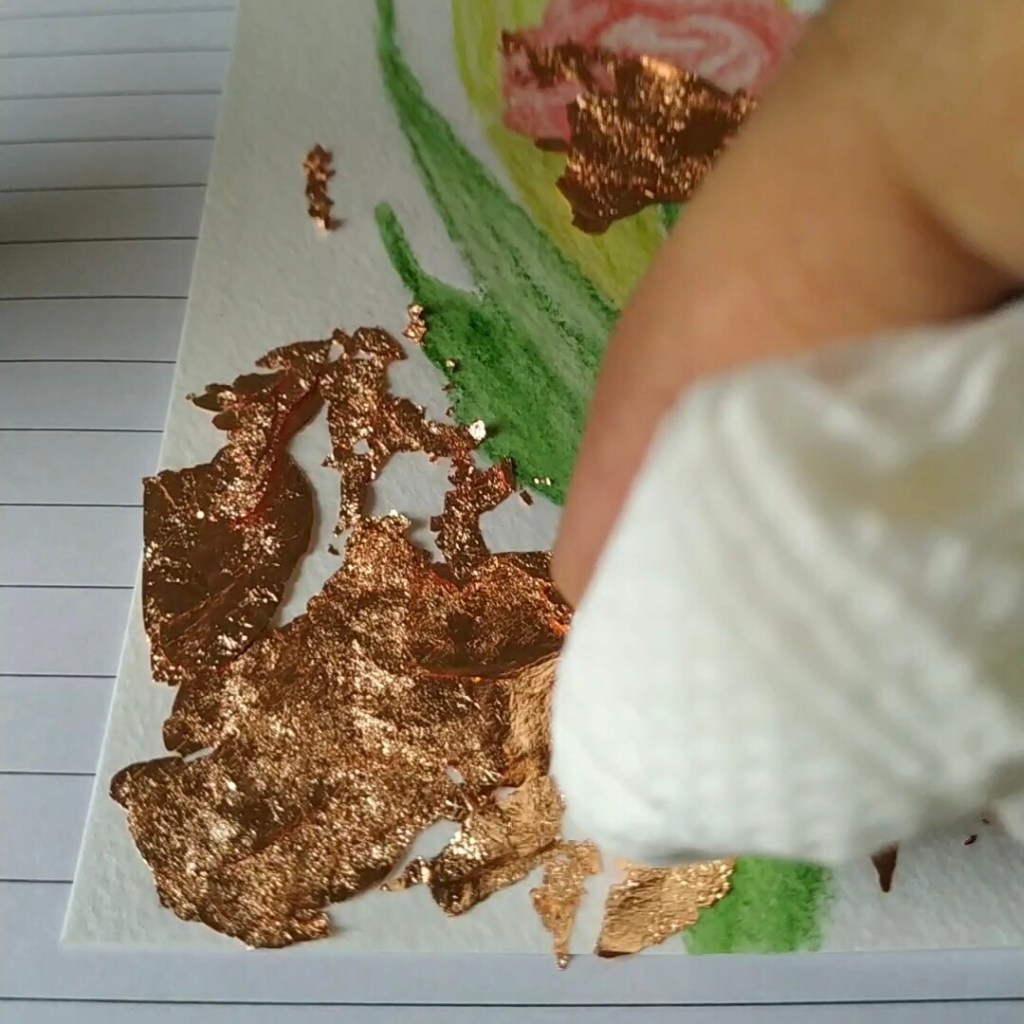
Next, let’s discuss the process. The process is simple. We apply the gilding glue using a brush. It becomes transparent as it dries. It is tacky or sticky for a few hours once it dries. Carefully transfer or lay the sheet on top of the artwork. The foil will automatically stick to this sticky base. Areas in excess where the glue was not applied but the foil fell can be dusted off later.
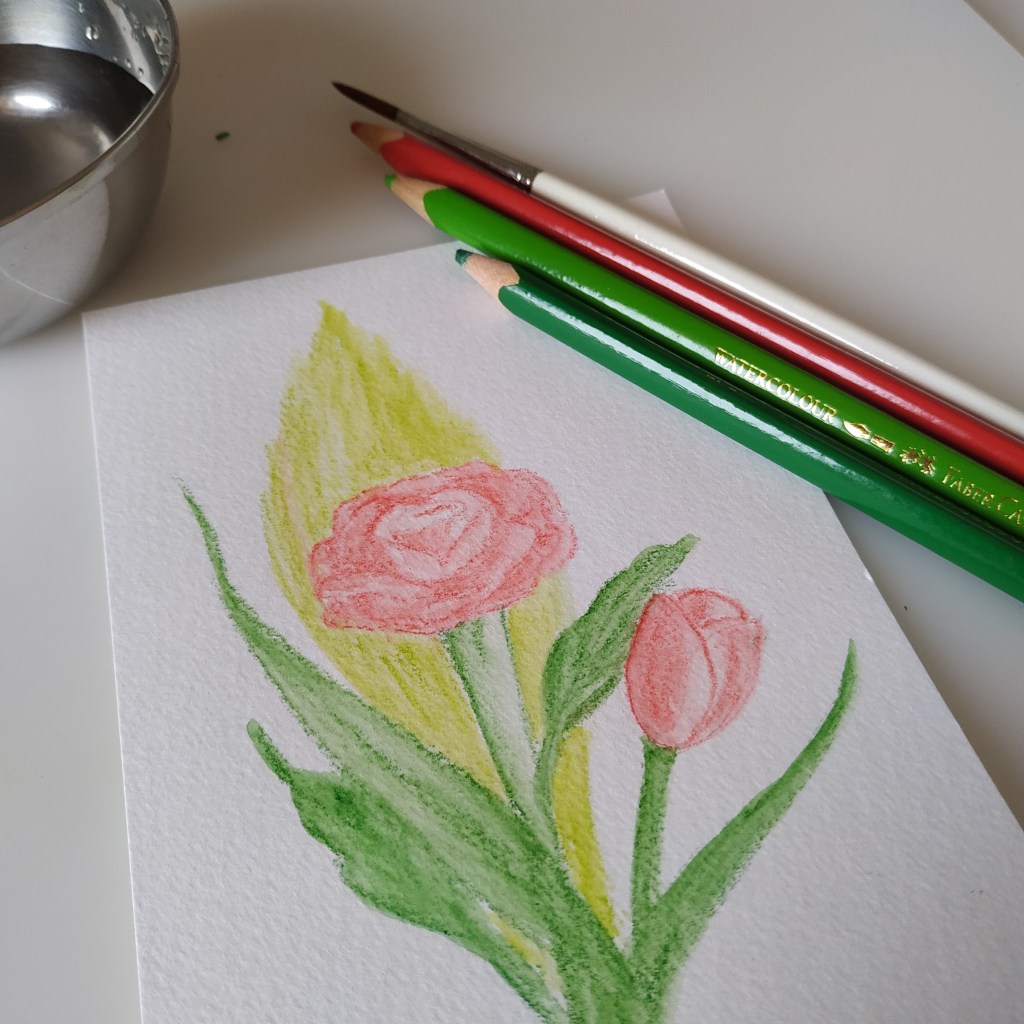
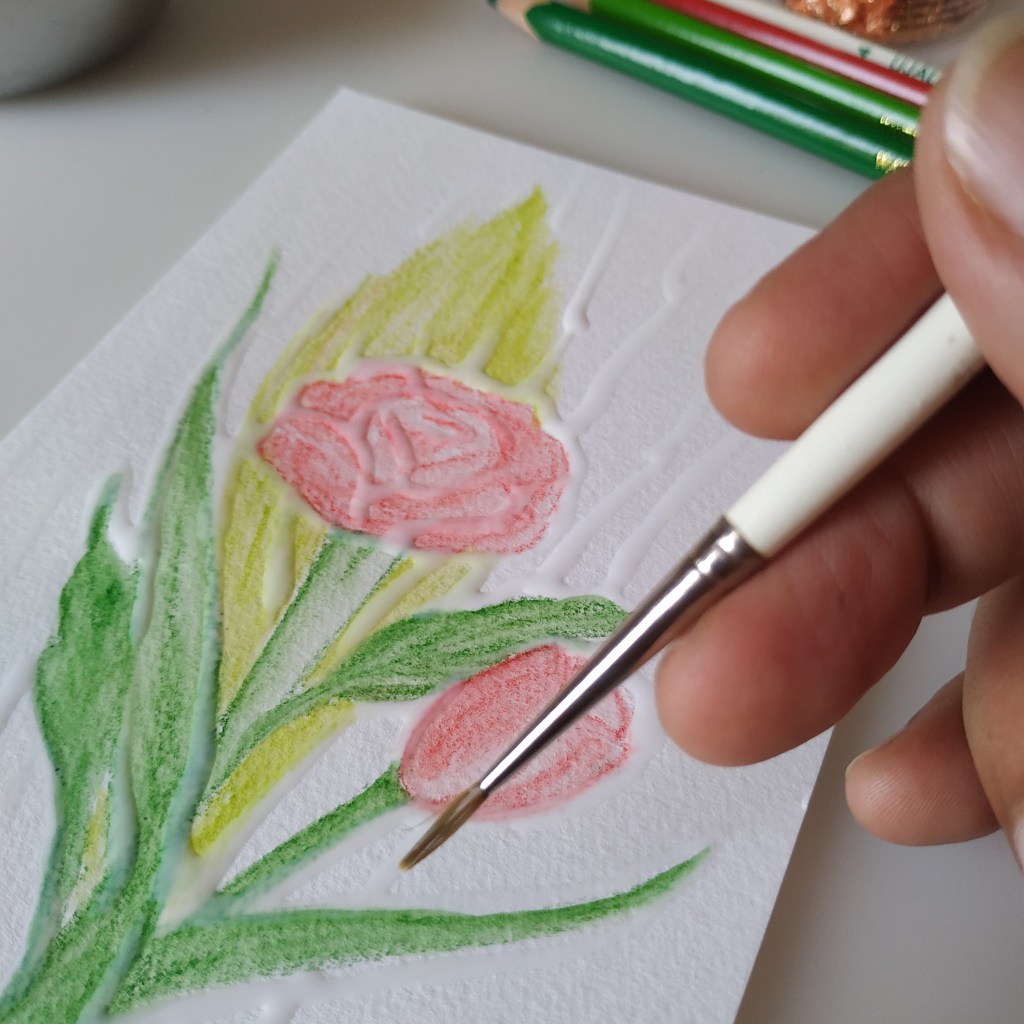
Gilding gives that metallic embossed look. Unlike ‘Embossing’ which requires a heat gun ‘Gilding’ is a natural drying technique. We use embossing glue and stick fine glitter powder in embossing method. Then we use a heat gun to fix the powder. The powder melts with the heat and sticks to the surface, giving the embossing effect. The look and finish may be similar for both methods. Best to choose the one you like. Depends on the purpose, material and your use.

Five tips for getting the gilding method right :-

  1. Apply a sufficient amount of glue neatly like a thick outline. Points where the glue was less, will not get sticky enough to stick the foil. This will result in breaks in the line or flow.
  2. The glue remains tacky for a good number of hours to work with. No need to hurry. Take your time.
  3. Open the flakes like a sheet or use sheets for a neater look. Rolled or crumbled flakes give a lumpy finish.
  4. Keep a paper or extra tissue below your artwork to collect the excess dusted off. It can be put back into the box for use next time.
  5. Switch off the fan while working on it. The dust flies off very easily. Even if you breathe, the foil or flakes fly off. They are so light in weight.
Finished Artwork
Artwork using Gilding Glue and Flakes from JAGS store

I tried it on a small postcard first to understand how to use the material. You could do that too. For the background, I drew flowers using watercolour pencils. I am aware that we do get a home-use heat press that works on this principle and gives a more professional finish. The print is like glue, we then insert the foil with the paper in the heat press which sticks the foil to it. I had that machine earlier as a kid. The finishing that I could manage with the heat press was similar to the one that I managed here when I did the process by hand.

Hence if your use is sparing, you need not invest in the heat press or the heat gun. The gilding method will work wonders. For lettering or calligraphy artists, ‘Gilding’ could add that zing to your next artwork. Let me know your views if you have tried this technique. Have an arty week ahead!

The Black and White of Pen and Ink Drawings – Ink Art

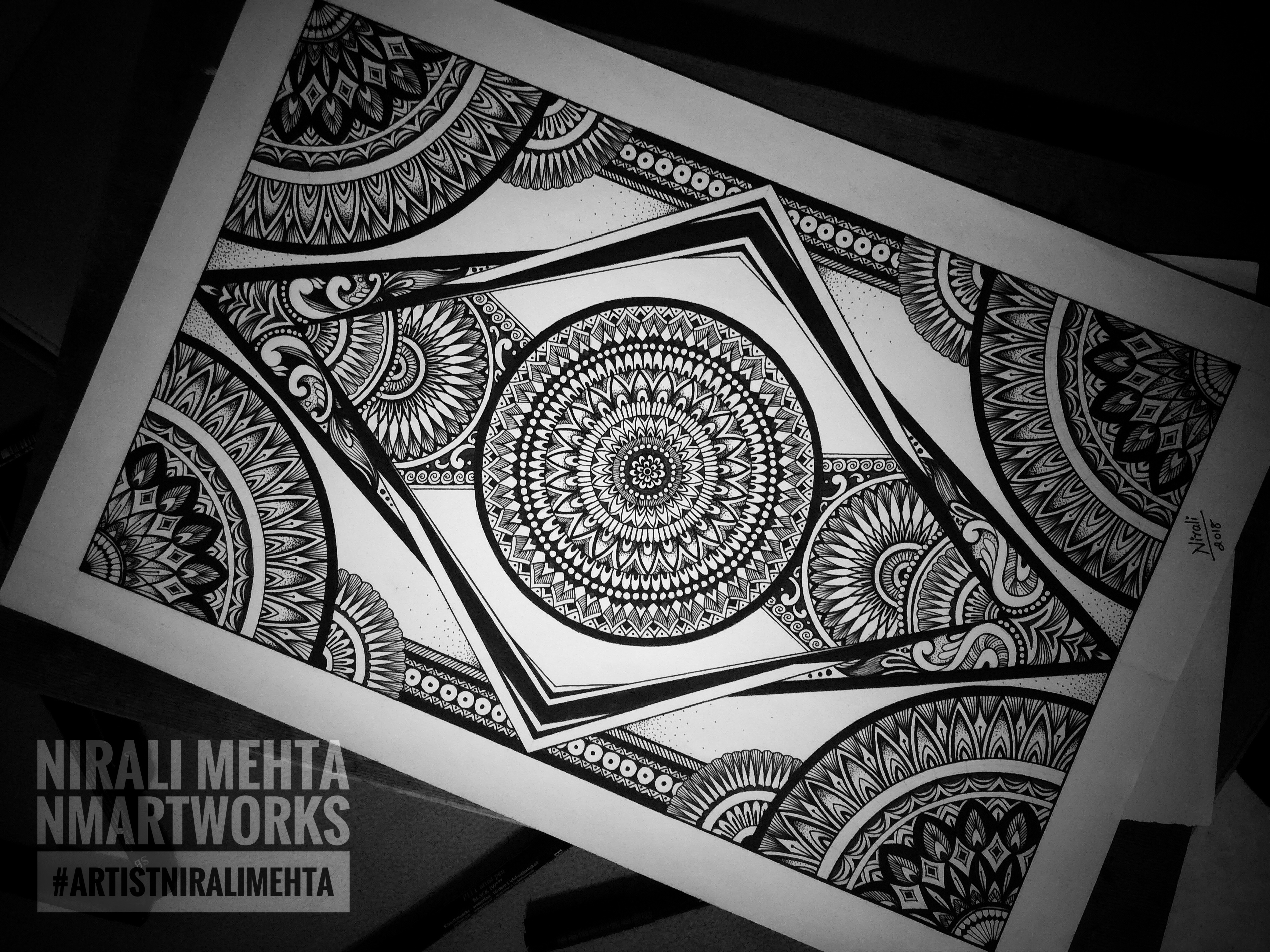
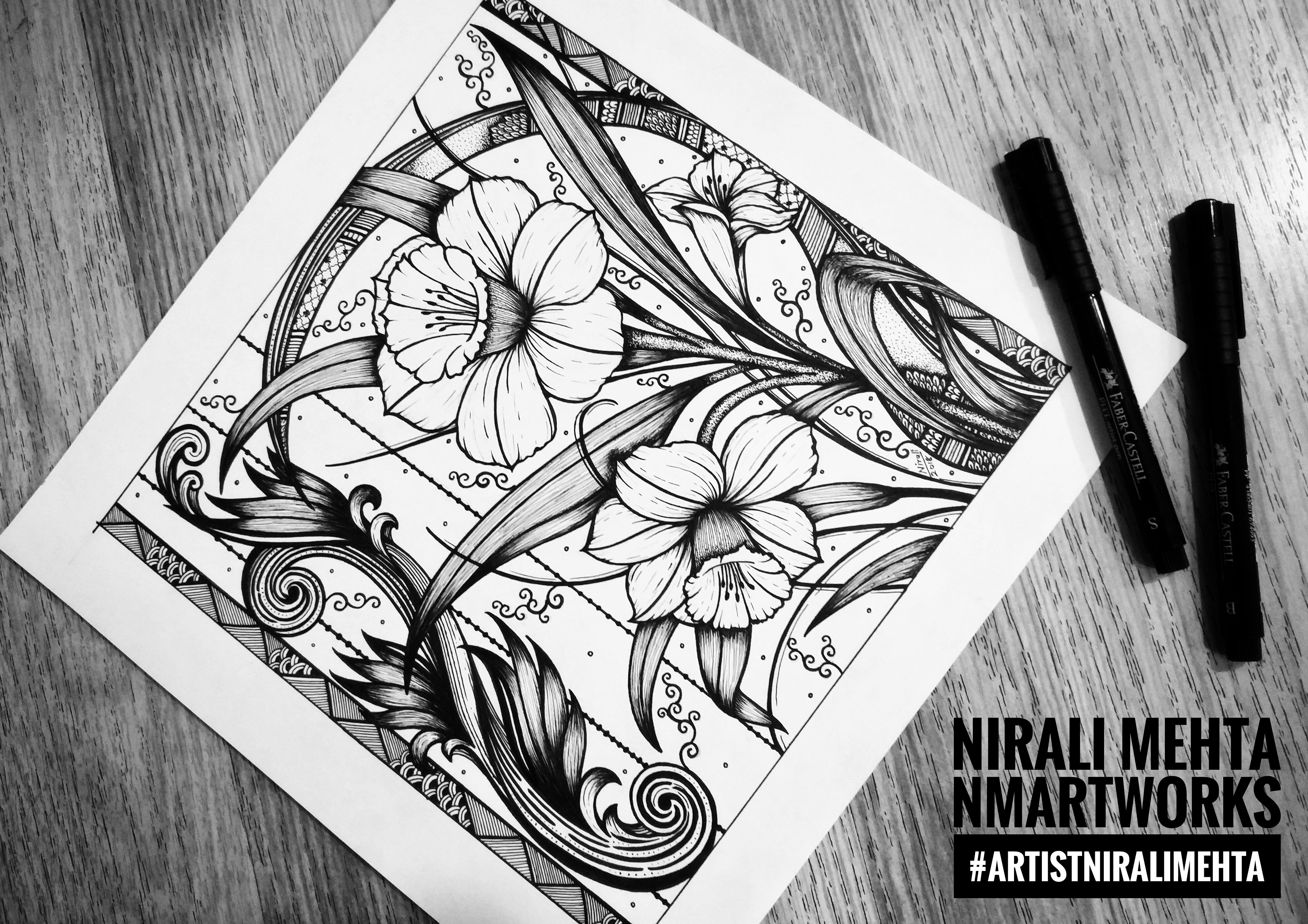
Clear lines, strokes and dots of Black Ink that make beautiful works of Art – Ink Work or Pen and Ink Drawings have been my forte. Original hand drawn Ink Art and Illustrations as well as Art Prints of my Pen and Ink Drawings are available at my Shops. I like to draw and paint Birds and Flowers the most. Sometimes I use Ink Pens along with Watercolour and Gouache colours for my Artworks. In this post I am going to share all about my favourite medium – Ink. Because it is Black Ink on White Paper usually, the Art works are also called Black and White Illustrations.

Link to the post on Doodle Art, Zentangle Art and Mandala Art

We have explored Zentangle Art, Doodle Art and Mandala Art in my previous posts. These Arts are mostly done in Ink. I have also shared about selecting Pens and Markers for your Art in another post. It is the main material for Ink Art. Ink and Paper are the only two materials required for Ink Art. For some techniques we may draw the initial sketch in pencil. Please refer to these posts for detailed information on these topics. It would be additional helpful information on Pen and Ink Drawings.

Link to the post on Selecting Pens and Markers for your Art

This time let’s take it a level higher. Explaining in simple words we can say – creating Drawings, Illustrations and Sketches using Ink Pens and/or Ink with bamboo sticks or brushes is called Pen and Ink Drawings. Very good quality Ink Pens with a variety of nibs are easily available. We don’t have to use brushes or Inks from bottles anymore. This has led to a lot of people taking up many of these Art styles.

Tattoo Designs, Ink Illustrations, Stippling Art, Mandala Art, Doodle Art and Zentangle Art are all very popular on Social Media. We have many artists sharing these works made with Ink. Botanical Illustrations in Ink are loved by many.

Click here to view my virtual Art Gallery and see more of my Artworks. You may also visit my shops (links on the homepage) to buy my Art. My works of Art would make suitable Wall Art for contemporary spaces both Residential and Commercial.

Artist Pens have Inks that are fade-proof, water-proof and permanent and are available in all major colours. ‘Archival Inks’ as they are referred to are also fade-proof, water-proof and permanent Inks.

Earlier Ink artworks would be made using brushes or bamboo sticks dipped in Inks, just like Calligraphy. If it interests you, do read my earlier post on the Art of Calligraphy. Painting with those would have surely been more difficult. Pens that are available now make it much much easier to draw and paint. These Pens have become so much a part of our Artworks that we use them even for something like just giving an outline or darkening a pattern.

Link to the post on Calligraphy

These Pens are available in a set as well as loose Pens. The ink, nibs and grip of Pens of all brands have a minor difference. I have used pens by almost all the major brands and have liked all of them. I use Micron Pens (Archival Inks) most often. I also use Pitt Artist Pens by Faber Castell for brush nibs and accented tips.

My other favourites would include Uni Pens and Winsor Newton Markers for a more Watercolour like finish. These are more like Artist choice Pens. It would be absolutely ok for students to do the same kind of Artwork with the other Pens or Markers that they regularly use. No problem at all. Permanent Ink is also available in bottles. We can still use the traditional method of writing or painting using Ink from bottles with brushes or bamboo sticks.

The Paper you select must be thick to absorb the Ink. Handmade Paper gives the authentic olden days look. If the Paper is thin the Ink bleeds or may move on the back side of the Paper too! The Pens should move smoothly and give a good finish to your bold and confident strokes.

Work in progress of an Ink Art
A closer look at the making of one of my Ink Illustrations

Black and White does not mean just a dark black tone. It is important to shade and show dark light areas even in Ink drawings. For this we can use any one of the following techniques or we can create one of our own. The shading adds depth and makes it look 3D and more realistic. Sometimes people use a black colour pencil and shade the colour, it is an easier way out though. Like me you can also do a combination of two or more of these Ink Art techniques if you want. Here are some of the techniques :-

Ink Art Techniques
Ink Art Techniques

I am completely in awe of the Japanese Art of Ink Wash Painting. Also known as ‘Sumi-e’ Painting. It is typically monochrome, meaning it uses shades of black on handmade white paper. I was told that the Ink and brush and/or bamboo sticks used for this Painting are same as those that were used for the Art of Calligraphy in China in earlier days. ‘Ink Wash Painting’ as they called it is said to have began during the Tang Dynasty in China.

It was introduced to Japan by the Zen Buddhist Monks. Sumi-e Artists paint Nature, People and Places. Their brushes are special and different from regular brushes and it is all about these clear black strokes. I have been wanting to learn this Art since a long time. Let’s hope I get a chance soon, may be sometime in the future!

If you have any questions on how to use this medium, feel free to ask them in the comments below. Have an Arty Week!

Selecting Pens and Markers for your Art

Jingle Bells! Jingle Bells! Jingle all the way! Yay! Christmas is coming! And with Christmas comes creativity. I see such amazing Art and Craft ideas on social media. There is so much one can make and do. It is also the time for Gifts. What is the best gift for an Artist? Yes! Art Material. I did a post on Pencils and Pastels earlier. Based on that many friends asked me to do one on Pens and Markers.

We usually refer to Pens and Markers by the name of the brand. That makes it difficult to do a post without mentioning any of the names. In every country there is a particular brand that is popular and widely used by all Artists from that Country. Ink Artists, Illustrators, Manga Artists, Architects, Interior Designers, Fashion Designers, Calligraphers, Students, Crafters and maybe more – All of them use Pens and Markers for their rendering.

If you have read my previous post you would know that this is an all you want to know information post and not a product review or an endorsement post. I was thinking about how to do this post without sounding repetitive? So I thought it would be best to do this in a Q&A format. I have tried my best to answer all the questions that I think can pop up while buying Pens and Markers. In case you have more questions, please feel free to ask them in the comments.

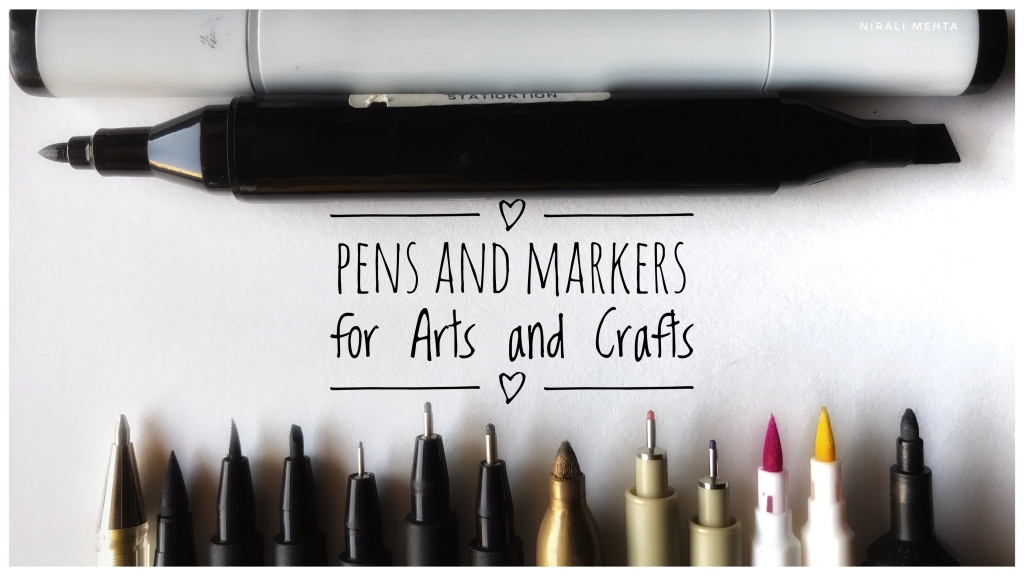
Pens and Markers
The different nibs of Pens and Markers

These are some of my Pens and Markers I arranged to click a picture.

1. Are Pens and Markers different? Hmm, well actually not. They are called Pens or Felt Pens or Sketch Pens or Markers – different names in different countries. They are all Pens available in colours, black, white, glitter and neon shades. The terms are used interchangeably. Like I said we usually call them by the brand name and not as Pens or Markers.

2. Do we get Artist Quality and Student Quality? Technically Yes! But they aren’t really labelled as such. Pens positioned as Artist Pens are Artist quality while the regular ones are Student quality. The pigment, colour and finish for an Artist Pen is better. We also get Industrial Grade Markers. This determines the price points.

3. What mediums are used? We get Oil Based, Water Based, Alcohol Based Pens and Markers. There are Gel Pens, Permanent Ink Pens, Waterproof Ink Pens, Washable Ink and Water Soluble Ink Pens and Markers. The Ink Technology and Ink is different in all of these. That is why two Pens of different brands – both with Waterproof Inks will give different results.

4. Individual or Set? If you are trying a new brand for the first time, it is best to buy different pens individually and try them out. They have testers kept with papers to try them at all stores. I even try the fresh pack Pen before buying to check the nib and ink. The manufacturing dates, import dates and other details are not clearly visible on single pieces. This makes it better to buy them in a set. The drawback is we are not allowed to open a set and try it out. It makes complete sense to buy individual pens to try and once you short list and select which brand you want, it is better to buy them in a set.

5. Which brands are good? I have tried Pens by almost all the well known brands. All of them are good. Brand Loyalty is very strong for Pens and Markers. I have understood that each Pen has Ink that works very well for a purpose. Depending on your use and Artwork you would have to select Pens that suit you by the Trial and Error method. The Art store usually stocks more of the popular ones and of course you know why. Further your location will play a big factor in your selection. Not all brands are available in all countries. Sometimes the Pens that are being imported regularly go out of stock or are priced too high.

6. What do they mean by the numbers on the Pens? The numbers indicate the nib size: for example 01 means a nib for drawing a 1mm thick line while 03 means a nib with 3mm thick line. We also get accented nibs, brush nibs, round nibs and felt nibs. As mentioned above the construction material of the nib and the ink is different in all pens. Further some brands use the numbers for colour coding. We also get dual tip Markers – meaning two different usable nibs on both sides top and bottom.

All in all, it is best to try different Pens on the Paper, carry your own page if you like where you have tried various Pens and buy the ones you think will work best for your work. I have already explained where and how to use each of the mediums in the previous post. Like, if you want the colours to blend: use the watercolour ones while if you don’t want the ink running, best to use the permanent waterproof ink Pens. Even in a simple brush nib Pen we get a lot of variety.

Scribbles Art
My scribbles trying out Pens in rough

The sponge of a brush tip Pen is different by all brands. I usually select a Pen with a medium hardness brush nib. I would like it to turn with pressure but not fray resulting the sponge in tatters. Constantly applying too much pressure on the Pens with very hard nibs can result in sore hands. That is what I meant when I said select Pens that one feels is most comfortable using.

Another important thing to see and note is how the Ink spreads on different papers. Do we get a smooth finish line or a dented one? Does the Ink bleed and spread or create blots and spots? When we apply two strokes next to each other – does the Ink mix or create patches? Does the Ink dry fast when applied or takes hours to dry? Artists would note all this. It makes a difference to their Artwork.

These are all small points but important to check before buying. Many times Art stores mix old and new pens when stocked in the individual Pens section. These pens are expensive and nobody wants to waste money buying a damaged nib or dried up ink Pen or Marker. It takes me at least 15-20mins selecting my Pens even when I know the brands. Last but not the least I compare prices and check for discounts if I buy more pieces. I run out of pens in about three to six months depending on how many Artworks I made. The Inks dry up after about three to five years, if kept lying around.

That lists about all the points I can think of that will help you make an informed purchase decision for the Pens and Markers. Ah! That’s too much. Give me one name and one set – if that is your buying style, I suggest pick any standard well known brand with other Stationery or Art Supplies and buy a set of their Markers. You can’t go wrong. It’s the same for students. However if Art and Craft is your passion, hobby or profession – the choice is yours! Have an Arty Weekend!

Special Tip: Always check the Cap is tightly closed before you put away your Pens and Markers after Use.

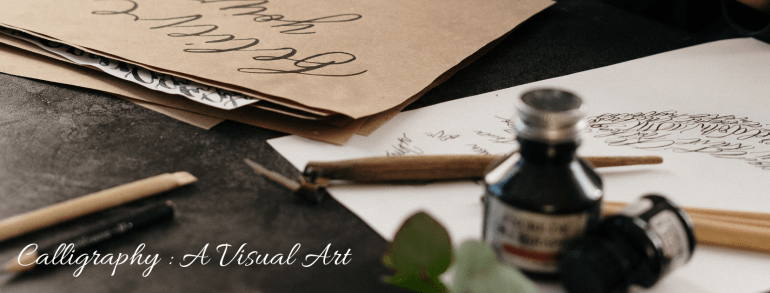
Calligraphy : A Visual Art

It’s an Art, a Visual Art but it looks like handwriting – Calligraphy. In simple words humans made markings with available tools as symbols. Later as characters and scripts developed they began to write using tools available to them. As our writing tools developed, the tools for Calligraphy also changed. Calligraphy is practiced in many countries. The tools they use, the writing styles and scripts differ. I find this art quite fascinating. This one is all about practice, practice and more practice.

I learnt the European Gothic Style of Calligraphy during my school days. Did it help me in any way? My handwriting was decently good and legible. My teacher insisted I use Ink Pens till 5th Grade, after which I was permitted to use ball point pens for writing my notes. I also used Ink Pens for Calligraphy. So it seemed like more fancy writing, just additional handwriting practice in the beginning. I could use it for my school projects. My mom insisted I use my fancy writing skills on Greeting Cards, Gift Tags and Envelopes exchanged on occasions. Gained some love and appreciation there!

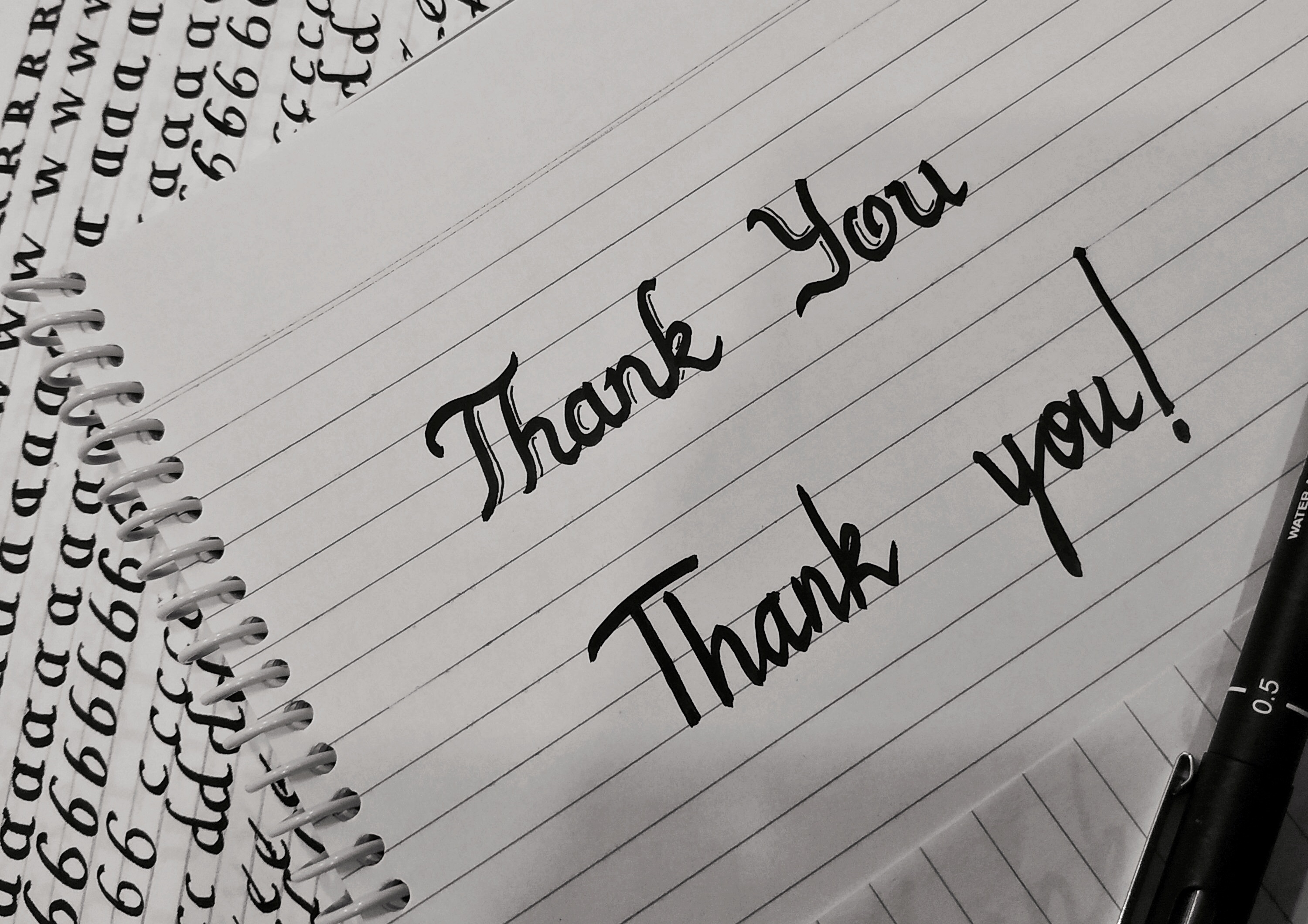
Calligraphy
Different Styles, Different Nib Sizes

Today, I don’t remember writing an entire page by hand in a long time. Fonts – Typography, Logos and Signatures – Lettering and Graphic Designing. Learning Calligraphy helped me here! I agree, we now use digital tools for these but the basic knowledge remains the same. It gave me finesse in holding the pen, the brush and now the digital pencil. The digital sensors correct the breaks in the strokes and make it look flawless. Even I prefer using the digital tools. I don’t think it is easy to compete against a computer opponent in this case. The computer would win! It has made Typography and Graphics much much simpler and faster. This makes a handmade version – handwritten Calligraphy by a Calligraphy Artist a rare find – unique and beautiful; just watching a Calligraphy Artist paint can be a visual treat by itself.

Now even schools are online, we don’t even use the pen for signatures. We are almost forgetting what it is like to hold a pen. Calligraphy is now mostly used to write names on wedding cards. Even for those we now use digital fonts and print them. So why should I learn it? If that is your argument, then I have to say “Learning this Art has helped me improve my creativity and artistic skills. I don’t think I could have done it any other way. I’m glad I learnt it.”

Calligraphy
Brush Pens – Ruffed Brush Tip

Brush Calligraphy is quite popular. Brush Calligraphy and Modern Calligraphy are different. Calligraphy is mostly referred to when using a Pen to write, while you use the brush or brush tip pens to write in Brush Calligraphy. I don’t want to get into the terms and definitions but say that learning one will be different from learning the other. So try your hand at Traditional and Modern Calligraphy as well as Brush Calligraphy. You could be better at one than the other.

Where to start and how to learn this? What material would I require? Is it very expensive to pursue this Art? Do you teach? Wait! Wait! I shall try and answer all these questions. They say ‘Teaching is the best way to learn’. That is why I taught some of my close friends whatever I knew about Calligraphy. It was my first ever experience in teaching. It is always better if you can find someone to teach you this Art but if you cannot then the next best thing is to buy a Book. This Art is all about practising. A teacher would also need just one or two sessions – to show you how to hold the pen, how to make the strokes, show you one or two writing styles. The rest depends on your interest and practice. A book will do that and may be show you more writing styles to practice.

Calligraphy
Calligraphy Art – My Desk

A Calligraphy Set would have one Ink Pen, changeable Nibs of different sizes and Ink Tubes. This is the smallest set. Larger sets with additional tools are also available. A ready set is most likely to include a book with at least one writing style. This will be a very basic one. Then you can download practice sheets available online. We used regular Ink Pens. We bought Calligraphy (4-6 different size) Nibs. See the loose nibs in the picture, I still have them. The Ink was permanent Blue or Black Ink (regular Ink Pot). We even got nib cutters to cut the nib. Unfortunately loose or only Calligraphy Nibs are not available anymore. So you could buy the most basic Calligraphy Set and a good book with different writing styles and practice sheets.

Wow! Why are these Ink Pens expensive? The nib of a Calligraphy Pen is accented. It gives a thin upstroke and a thick downstroke. For larger font size one needs a broader or larger nib size. To begin with nib sizes 1& 2 are good to write in regular handwriting books. The red blue ruled books we use when we learn handwriting are perfect to learn Calligraphy too. Then of course you would just need a single line ruled book or no lines as you progress. This part is similar to our handwriting practice books.

Calligraphy
Calligraphy with Markers

We get sketch pens or markers with accented tips too. These are used for Calligraphy. The difference is the tip is much softer and so the pressure to be applied is different. The pressure applied to write with a writing instrument that has a metal tip, wooden tip or fibre tip will always be different. Similarly brushes are used for Brush Calligraphy. We get Brush tip markers too. It is cheaper to get markers and we can always use them for other Arts and Crafts. One of the reasons Brush Calligraphy is popular. If Calligraphy really interests you and you wish to take it to another level, you may want to invest in a Traditional Calligraphy Pen and perhaps get trained with a professional Calligraphy Artist.

One special tip here : All these pens will be labelled as Calligraphy Pens on their pack at the Art Store. So the onus is on us to select what we are looking for. We definitely don’t need all of them. Best to buy a book and then the Pens if that makes more sense. Choose the writing instrument you are most comfortable using.

The Ink, the Paper, the Writing Instrument and most importantly your Style of Writing. All of this matters in Calligraphy. Even if I write the same thing, with the same pen on a different paper or with different ink or by applying different pressure, the result will be different each time. Hence only with practice and experience an Artist will be able to create those amazing works.

All said and done. This amazing Art seems to be dying out and getting replaced with digital forms. It may be difficult to find a tutor but don’t give up. In the end it will all be worth it – an enriched learning experience. Have an Arty Weekend!