There are different ways to add the sparkle to your artwork. One of them is ‘Gilding’. It creates a nice embossed sparkling effect. It could be a simple outline or dots or stars or more in that shiny effect. Embossing with the gilding method is best suited for greeting cards as well as art and craft projects in school. In this post, I am going to share some tips to get this process right!
Materials used – Gilding Glue & Gilding Flakes
What is the material required? Gilding Glue and Foil Sheets are the main materials. Since I had Gilding Flakes at home, I used them. Gilding Foil Sheets are like cheese slices while Flakes are like crumbs or grated cheese. Hehe..I didn’t know how else to explain it without showing the product. The flakes give a crackled finish while a foil sheet gives a very smooth finish. Other than that we need a brush to apply the glue and dust off excess. Last but not least tissue paper or cloth. Gilding method is a highlight or add on to your existing artwork.
Next, let’s discuss the process. The process is simple. We apply the gilding glue using a brush. It becomes transparent as it dries. It is tacky or sticky for a few hours once it dries. Carefully transfer or lay the sheet on top of the artwork. The foil will automatically stick to this sticky base. Areas in excess where the glue was not applied but the foil fell can be dusted off later.
Basic Art with Colour PencilsThe White line is the GlueGlue and Gilding FlakesCloser look at Gilding FlakesDabbing the FoilDusting Off Excess
Gilding gives that metallic embossed look. Unlike ‘Embossing’ which requires a heat gun ‘Gilding’ is a natural drying technique. We use embossing glue and stick fine glitter powder in embossing method. Then we use a heat gun to fix the powder. The powder melts with the heat and sticks to the surface, giving the embossing effect. The look and finish may be similar for both methods. Best to choose the one you like. Depends on the purpose, material and your use.
Five tips for getting the gilding method right :-
Apply a sufficient amount of glue neatly like a thick outline. Points where the glue was less, will not get sticky enough to stick the foil. This will result in breaks in the line or flow.
The glue remains tacky for a good number of hours to work with. No need to hurry. Take your time.
Open the flakes like a sheet or use sheets for a neater look. Rolled or crumbled flakes give a lumpy finish.
Keep a paper or extra tissue below your artwork to collect the excess dusted off. It can be put back into the box for use next time.
Switch off the fan while working on it. The dust flies off very easily. Even if you breathe, the foil or flakes fly off. They are so light in weight.
Artwork using Gilding Glue and Flakes from JAGS store
I tried it on a small postcard first to understand how to use the material. You could do that too. For the background, I drew flowers using watercolour pencils. I am aware that we do get a home-use heat press that works on this principle and gives a more professional finish. The print is like glue, we then insert the foil with the paper in the heat press which sticks the foil to it. I had that machine earlier as a kid. The finishing that I could manage with the heat press was similar to the one that I managed here when I did the process by hand.
Hence if your use is sparing, you need not invest in the heat press or the heat gun. The gilding method will work wonders. For lettering or calligraphy artists, ‘Gilding’ could add that zing to your next artwork. Let me know your views if you have tried this technique. Have an arty week ahead!
Yes! That is the term used for a painting technique – ‘IMPASTO.’ Impasto technique in simple words is painting with a knife. A painting knife is different from a regular knife. The blades come in different shapes and sizes to create different textures. You could relate better if I named a famous artwork created with this technique – ‘Starry Night’ by Vincent Van Gogh.
Impasto technique is commonly used in paintings of the ‘Abstract and Impressionist styles’. Instead of using a brush to apply paint on the canvas, we use a knife. It is a metal piece (flat) not exactly sharp but more of a shaping tool with a wooden handle. We can create a variety of textures using it. The texture created will depend on the pressure applied and how the knife is held by the artist.
Holding the Knife to Paint
Hence, the texture created by two different people using the same materials can be different. The method of application is what matters. This method is not exactly taught. The artist must try different strokes to see which one he/she is most comfortable doing. Like they say each one of us has that one special movement in which, only we can do best.
Painting on the canvas
Initially, when I learnt this method during school days, we referred to it as ‘texture painting.’ This term expands the scope to use other tools for application to create textures with paint. For example, we can use the blade of a cutter or a simple piece of ply laminate. These can be sharp, so please be careful while using them. Ever noticed a worker applying a white base (putty) or cementing the cracks in the wall?
Different blades of painting knives create different textures
I know, to be safe please use knives and not these other things. All I meant was that we can create textures with anything, even combs. It’s like the application of icing on the cake. In this case, think of paint as the icing that we are using. I gave that connection on purpose. The consistency or feel of how the paint should be for a good output can be understood through this connection- soft, quick drying and thick.
Painting with a Knife
This painting technique gives a 3D-like output. There is no need to paint various layers. We only need to give a background colour to the canvas and then we can paint directly on it. Impasto is originally done with oil paints. But it’s expensive and takes very long to dry. I have tried this method with gouache paints (on paper) as well as acrylic paints (on canvas). Both work very well in their way. The paint dries quickly and the artwork can be completed in one go. We also get various mediums that we can add to acrylic paint in order to enhance this work.
My Painting using the Impasto Technique
Textures can also be created with ‘Guesso’ at the beginning for the background and then painted. However, most of the time we just directly apply a nice rich thick coat of paint directly to the canvas. Please note, this method uses a lot of paint. So make sure you are stocked up with enough paint in the colours that you need. The exact amount depends on the artist’s usage but the amount of paint that is used in a painting with this method is almost 3-4 times more than a regular method.
A trending art that uses this technique but with different material is ‘Russian Sculpture Art’ or ‘Russian Sculpture Painting.’ Readymade ceramic pastes in various colours are available in the market. These are used to make florals. Do check this art on the internet if you heard it for the first time. It isn’t exactly sculpting but it uses ceramic paste with the painting knives.
Try different textures on small pieces
And finally, where will I get these knives? In earlier days artists would make their knives but we are in the modern world now, right? That means it is available at almost all stores selling art material. It is also called a ‘palette knife’. It is barely sharp enough to cut the paint. So even children can use it under their parent’s or teacher’s supervision. Go ahead and try a new technique of painting this week! Have an Arty Week ahead!
Bold and expressive brushwork to convey the beauty of the mundane ordinary subjects around us is what I love to do. Hello! I am Dr Shaazia Hawai, a dentist by profession and an artist at heart.
Art, for centuries, has been a means to express individualistic creativity. To me, art is a language that I intend to speak fluently. It thrills me when I see someone who has mastered the language of art. It intrigues me when I discover someone adding new layers to its tapestry of possibilities.
Being a dentist, I was miles away from indulging in anything creative. Science and Art are very different after all. I started painting as a means to explore my creativity after a visit to an art supplies store.
I felt overwhelmed looking at gorgeous landscapes, realistic portraits and stunning abstracts. ‘Still Life Painting’ or ‘Object Drawing’ had this strange attraction for me. It was something that I felt I could dabble with. And that is how my journey as an impressionist still life artist began.
Paintings by Dr Shaazia Hawai
I enjoy painting with acrylics as the medium is versatile and allows room for experimentation. Painting still life has its advantages like the subject doesn’t get tired, doesn’t move and it’s so easy to procure ( just raid your kitchen). I suggest painting one new object daily.
For the initial few months, I used to paint only in my spare time. As time progressed I started dedicating more time to paint because I was enjoying the process. I set up a small workspace in the corner of my bedroom for painting. That really kickstarted the daily morning ritual of painting. The ritual then became a habit. It got me focused and gave me clarity with regard to what I needed to do with my art.
If you are beginning your journey as an artist my suggestion to you is to form your own daily routine. I saw massive progress in my painting style and brushwork with this system of practice. I started posting my artwork regularly on social media.
I was approached by an art supply store to conduct online workshops for them. I had not learnt painting the formal way and so teaching art or even painting in front of a live audience gave me goosebumps. Overcoming my fears and conducting the first workshop was a game changer for me.
Not only was the workshop a success, but I also had a blast interacting with fellow artists. This gave birth to my Saturday live paint-along sessions on Instagram. I still conduct them. You may drop by and check my page to join the party.
The idea of being around like-minded people enhances creativity. We challenge and help each other by supporting the artist community.
My paintbox consists of primary colours (red, blue & yellow) and white. A few flat and round brushes ( I use mostly 6,4,2 flat brushes & 6,2 round ones) a substrate on which you will paint ( paper, canvas, wood, cardboard, etc)
A great tip that I have learned is that – acrylic paints tend to dry dull if diluted with water, so I usually use a medium (gloss/matte) to increase the flow of the paint and limit the use of water to only for cleaning brushes. (Note: Wash brushes immediately while painting with acrylics)
Let’s Paint ‘A Pear’
It is best to simplify the object. A pear looks like an alphabet ‘A’ or a triangle over a circle. After establishing a loose sketch, I apply a thin wash of neutral colour. This underpainting helps eliminate the whites of the paper and creates depth in the painting. Next, I establish the dark tones in the painting and paint from dark to light. You can also paint from light to dark. It depends on your chosen medium.
Simplify the objectMark the outlineGive a background Fill the colourAdd highlights Complete the artworkStep by Step Painting with me
A loose brushwork like mine can be achieved by holding the brush at its tail end. Then I add the highlights, background and fine details to bring out the likeness of the subject. One can always add more details and finer brushwork to make the subject more realistic. But if you prefer an impressionistic style like me, leave it in a loose expressive state.
I am a firm believer in what Van Gogh said, “Paintings have a life of their own that derives from the painter’s soul.” An artist paints from his soul to produce magic on canvas. That’s why a true artist’s work is easily recognisable such as Van Gogh’s starry night, Monet’s lilies, Cezanne’s still life & Klandinsky’s abstracts.
My suggestion to all beginner artists is not to copy styles or trends on social media. Paint what your heart desires, and you will make mistakes but keep practising because Bob Ross said, “There are no mistakes in art, only happy accidents.” And as you embrace these happy accidents, you will evolve as an artist.
Dr Shaazia Hawai is a dentist, who spills her love for colours onto the canvas. She is also adept at Arabic Calligraphy and Paper Quilling.
Large panels of coloured glass at the Church, is where I probably saw stained glass paintings for the very first time. Most of them are florals or abstracts. Some of the best works I have seen share stories of the church. This art form is very ancient and people have been doing it for years. A striking point of the design is the blocks or parts of the painting and the translucent colours. Have you noticed it?
The motifs and panels are large, the larger the better. But they can be used in our homes too. I painted a mirror for my dressing room with this method. I also designed the acrylic ceiling for my bathroom using the same technique. Yes! We also get DIY kits with simple designs for kids to paint. I clearly remember, back during my school days stained glass painting had become a fad. There is a chance almost all of my creative friends would have tried it at least once.
Photo Courtesy WordPress Library
Notice how the dresses of the human figures have been sketched as blocks? The drawing is never one single large piece in a stained glass painting. Even after so many lines it looks beautiful, isn’t it? Also, from what I understand this painting is five panels joined and set in a single window. The black horizontal lines are the frame.
The painting process is very simple. Two steps 1) Create the Outline and 2) Fill the colours. The skilled part is in doing it. And like they say, you have to do it to know it. The texture that you see is the original texture of the glass. We select the glass based on the type we want. The material except the glass isn’t very expensive. The colours in a set are enough to make two or three glass panels. So if you want to re-use or recycle a piece of glass from the renovation, consider stained glass painting. It will give a fresh and majestic look to your decor.
The Paint used for ‘Stained Glass Painting’ is very different from others. It is translucent and self-setting. It is available in small bottles with droppers or changeable caps. A box of glass paints by ‘Fevicryl’ has a black outliner tube and 5-6 basic colours. This is enough for a beginner. Red, Yellow, Orange, Brown, Green and Blue create pretty designs. It is amazing how we can create such beautiful artworks using barely a few minimum shades.
The Black outliner has a pointed nozzle with cap for precision or can be transferred to a cone. The bottles have a dropper. I don’t know if you understood what that means. It means we do not need a paintbrush. The colour is dropped into the blocks created. However just like most artists I also prefer to use a brush to spread the colour evenly or create shading. We need to be careful because if the paint is old and thicker than needed, it will not give a smooth finish.
Painting a Stained Glass Panel – Photo Courtesy Unsplash
I shall try to explain this with a detailed process of creating a stained glass panel. For the first project select a small glass panel. The size of A4 or a little larger is good. Next, select a design. A simple abstract or floral one with large blocks. There are templates available on the internet that we can download and print on a home printer. Then we place the design underneath the glass and trace it on the front or top side with an erasable marker.
After that using the outliner tube we create a steady outline in black for the design. It looks like a 3D piping. We then have to wait for the outline to dry. It would be a good idea to do this on the previous day and colour it the next day. If the line is thick at some places and thin at others or if it is very light at some points, the colour will make its way through like water. It flows out. Erase the marker lines after the outline dries.
The ready kits have this step already done. The kids only have to pour the colours. Next we use a dropper and drop the colour in the closed portion. By ‘closed’, here I mean the black outline is sealed correctly. Units that we want in the same colour, try and drop the same quantity of colour. For example the leaves of the flowers in the picture below are all of the same colour.
The colour automatically spreads to the edges and sets like a block of jelly. There will be darker or lighter shade within the same colour, if we do not drop the same amount of colour. That’s correct, this is the tricky part. It can be understood only after trying to paint. Hence we need to spread the colour evenly and equally, knowing how many drops of colour to add in each of them. Once we get this right, we have aced it!
And there is another unique idea of putting a crushed silver foil as the backing for the the stained glass painting. We then mount the dried finished glass panel in a frame. It also looks good as wall art and not just the usual ceiling or windows panels.
Oops! Don’t be in a hurry. The paint may seem dry but it takes at least 24hrs to set completely. Only after that we can pick it up or change the level to tilt or hang it. Yes! The painting has to be done laying it flat on a levelled floor. Nah! We don’t paint the walls. Only after the pieces have dried completely it can be lifted and fitted.
An interesting similarity of this art is with acrylic pieces that they weld together as sun catchers for outdoor decorations. Have you seen them? If you have and know what they are called, please share the details in the comments section below. Have an Arty Week!
Did a hand drawn artwork and now want to make copies OR drew it digitally and now want to print it? Photographs, Graphics, Vector Art, Backgrounds, Designs, Drawings and Paintings – All of us might have tried to print these at some point of time or another. It could be for a School Project, a University Submission or a Personal Art Craft Project or for Commercial use.
I see many people struggle to get good prints of their work. What went wrong? They don’t know. I often get to hear “I gave the print command and the printing device printed it.” “I took it to a professional printer and he said the art work is not done correctly. The printing service owner said the device (printer) has done it correctly.”
It’s our loss as the money is wasted and we are not happy with the output. Today’s post is about ‘Getting a good print out’. I am going try and translate the language of a printer. In other words explain it in simple terms that everyone can understand.
Here’s my hand drawn ink art and the scanned print both next to each other
Initially I sold ‘Digital Downloads’ at my Etsy Shop. It was one of my best selling products. One can ‘buy >> download >> print >> use.’ I also included a file with printing instructions and ideas for assistance. So the buyer can confidently print the art work they bought at home on a home printer or with a professional printing service of their choice.
Yes! Now a days most of the projects are only online submission and we don’t print files. I am aware of that. However there are times we want them printed. For example – A photo book or a journal or diary. A card for celebration or the final university project.
There are some basic terms one must know to be able to give the device the right commands for printing. After all it is a computer, it will do as commanded. Here’s a list of jargons we come across for this task. These are not definitions but rather explanations in a simplified form. The regular definitions are already up there on the internet.
Pixel – Think of a paper made up of small particles – numerous dots. This is a Pixel. It is square in shape. A computer screen is made up of numerous pixels. Just as we measure paper in a unit such as cms or inches, we measure a computer screen in pixels. Right click , go to ‘properties’ of the computer file to know the measurements of the image. It will be shown as length x breadth.
Some common standard monitor screen sizes
1366 x 768 pixels High Definition (HD)
1600 x 900 pixels High Definition Plus (HD+)
1920 x 1080 pixels Full High Definition (FHD)
3840 x 2160 pixels 4K or Ultra High Definition (UHD)
Image Size – The length and breath of the image, just like the length and breadth of the canvas or paper. For ease we can convert this from pixels to cms and vice versa with help of converters online. Helps know the best size it will print in. The size an art work is created in is always the maximum size it will print best.
An example of the image size shown in properties
Pixelate – Fine dots give a good image. The size of the pixel is called the pixel size. When we drag the file way larger than the size it was created in, each pixel size also gets amplified and we can see the distinct square blocks making up the image. The image is said to be pixelated. Always print the file only to a maximum of the size that it was created in, so that it doesn’t pixelate.
DPI – This is the resolution of the image. Consider the detailing done while copying or scanning the file. A higher resolution means more detailing and a larger file size. This value must be set while scanning the image or art work. Anything below 150dpi is blurred while above 300dpi may be excess. Images at 300dpi print well. It is a standard. For images that are used online on websites or blogs we generally keep the resolution as 150-200dpi. DPI stands for dots per inch.
File Size – Consider this as the weight of the package. The transport service in this case is electronic but allows a limited weight only. The weight is measured in kb, Mb, Gb (Kilo bytes, Mega bytes, Giga bytes). This information can be checked in the properties tab when we right click on the file. Higher the resolution, higher the file size. Means the package weight is high. A large size file takes longer to upload. We can lower the size of a file by compressing it. However it also compromises on the quality.
Compressing a file – Making the file size smaller. This could be by reducing the image size in terms of the length width as well as the file size in terms of the bytes. In some portals or software’s it can be a hidden command. In many email services, forms collecting data and social media platforms a default setting is made. The computer is asked to compresses the file to upload/ download faster. If we want to send across a high resolution file, we must make sure we turn off this setting and manually set it.
These are technical words that are used to describe or check if the file is suitable for printing. One important point we need to understand is that there will always be a minor difference in the colour on the screen and in print. I have explained ‘why’ this happens in my post about the Colour Wheel. For those of you who missed it – It happens because of the difference in the colours of light and the colours of pigment. A computer screen uses RGB (Red Green Blue) format while the Printing devices are based on the CMYK format (Cyan Magenta Yellow Black).
As professionals, designers must order prints with the exact colour shade and can specify the number assigned to the colour or shade. There is a standardised numbering system followed world over. This way the printer just cannot go wrong. It prints the exact colour selected.
Now there are some basic printer settings which all printers have. A Printer (device) comes with a set of default settings but we can always modify them if desired. Let’s understand these.
Black and White Print Setting
Colour Printed Images – Photographs with White Border (Margin)
Black and White – It will print only the extreme colours Black or White. No shades of grey. This setting is used to print all text files to save the toner and ink.
Grayscale – The page will be printed in shades of black and white. The shades in between will be printed as tones of grey. Even a coloured image can be printed as black and white or grayscale. The output will differ.
Colour – This is the setting we want to select for printing colourful images. A thing to note here is that a scanning device also has the same settings. We need to make sure we scan it and print it with the same settings for the desired output.
Borderless Printing is now possible on some printers
Print Margins – The white borders on the printed page are margins. We can change these when we give the print command. The image size and page size will not be exactly same, even if theoretically they are the same size. It means that the page and image edges will not coincide or overlap. An Image printed will always be smaller than the actual page.
This is a technical aspect of all printers. It differs with technology and brands. We do get borderless printers to print high quality photos and large format pictures. For home printers, at least even if we keep the margins to zero, it has a ‘gutter’ which will always be there.
Fit to Page – Small and Large Image Sizes
Fit to page – This is a simple beginners setting. If the image is bigger then use the ‘fit to page’ setting to get the image to limit to the size of the page. For example the artwork is 12 inches by 18 inches which is bigger and we want to do a test print at home and the printer at home prints only A4 size, which is smaller than the art work. We can use the ‘fit to page’ setting and comfortably print it in A4. If this setting is not used the printer will use multiple pages to print the same image. It tries to print the artwork at the exact size it was created plus the white print margins. Leads to a lot of wastage in paper.
In another case, if the image is small and we use the ‘fit to page’ setting the image will be dragged to make it as large as the page. It will get pixelated.
Further we also need to ensure the aspect ratio is locked. Meaning when we change the size of the image, if the computer is decreasing the length by one inch it decreases the width also in the same proportion instead of keeping it constant. Otherwise it will change one of them and the image will not print correctly. This is the reason the white border is broad on one side and very thin on the other.
Of course we can cut and remove the white borders, join these sheets and all. However it is best to avoid such wastage by making sure the commands are in line with the output we want. Here is a simple chart explaining standard Paper Sizes used by all printing devices. They are denoted as ‘letter’ or ‘A3’ or ‘A5’. We select these from a drop down menu. The computer will edit the other settings to match it once we select from the drop down menu. The image is by Vector Stock and only for reference.
Paper Size in mm – Standard Chart only for reference
Let’s do a quick recap of the points to remember:-
1) Draw your artwork in the same size as the one you want to print. A larger art can be comfortably printed in a smaller size but not the other way around. If you are downloading and printing then check this info.
2) Scan it at 300dpi OR set the resolution of the computer drawing file at 300dpi. We can reduce this if we want to use the file only in the digital format. A printer will require it at 300dpi only. Changing this at a later stage spoils the file. It is to be done from the beginning itself.
3) Specify the colour or black and white print settings. A colour image can be printed in black white or grayscale also if that is the command selected.
4) Read the Printer Paper Sizes Chart and keep it handy. This enables us to know exactly the size we require the work in.
Last but not the least. Do this with the art that you create or art that you bought. Art work downloaded from the internet may be subjected to Copyrights. Printing or making copies of certain art work is considered illegal or a violation of the law. I did do a post on Copyrights earlier. Do take a look if it interests you. Making copies of things like currency or coloured copies of government papers is strictly illegal. Please do not engage in any such practices.
Use this information to make prints for your artwork, download files that are permitted for personal use or artwork that is officially yours and you have the rights in it. I hope this information was helpful. Now we can confidently get good prints at home as well as at professional printing services. Have an Arty Weekend!
Photo Credits : The WordPress Photo library for all the photos except one from vector stock and the other one that is mine.
How to say that? It is ‘Silu -et’. That’s right! I am not talking about a soft fabric but a technique of painting. Silhouette is also a popular method in photography. It is an object or profile in dark black against a very bright source of light, usually the Sun.
To understand it better, do a small experiment. Take a camera and try clicking pictures of any object with the Sun at Sunrise and Sunset. The object will always come dark. On the other hand if you click in the other direction where the Sun illuminates the object, we get a crisp clear photo with details of the object. That is why they say don’t click against the Sun. Unless of course you want the special effect.
A example of how the photo will be – Image from WordPress Photo Library
The reason is the immense brightness creating a contrast with the object. Thus the object appears completely black or dark with only an outline or profile. A distinct shape of the object will be seen. This is called a Silhouette. Sunrise and Sunset are the perfect backgrounds.
It is a very simple method for painting and can be done by just anyone. No need to know anything about painting. One can paint with any medium of paint. In digital it is super quick to draw one. We can even paint it using markers. Relief techniques as well.
The Knight – I painted it digitally to explain Silhouette
It is 3 simple easy steps 1) Decide the placing of the objects 2) Paint the background in colours of yellow and orange 3) Draw the object and colour it in black – as simple as that. One thing to note is the position of the Sun. White followed by lemon yellow followed by orange to red, brown and black. This is the colour blending of the Golden Sky.
Yoga Pose – Another one that I painted digitally
Drawing the object directly seems difficult? Let’s make it even easier. Download a ‘Silhouette’ of the object, print it and cut it. Place it on your drawing and mark the outline. Now paint it black. We can use a stencil also. For a first timer it is ok to use assistance. Once we understand how to paint it we will be able to do it without any assistance.
It is like the learning side wheels in a bicycle. We can let them off once we learn to ride. It helps overcome the stigma ‘I can’t paint’. A beautiful blend of colours with a distinct object highlighted. The colour on the outside and the object in single solid colour – Silhouette. The internet has ample images for inspiration. Choose something you like.
Some classic examples from the WordPress Photo Library
I paint them digitally because it is super quick. Beach scenes or by the sea shore are best drawn using this method. One of my favourites to paint would be the Knight holding the flag and the other is a famous scene from the movie ‘The Lion King’ where Mufasa roars from the top of the cliff. A woman standing at the cliff point with open arms and breeze blowing through her hair is another one I like to paint.
Painting Silhouettes is easy and hence can also be very easily replicated and copied. Hence, I don’t sell them at my shops. Decided to do a post on them for learning and understanding. One can always paint them for their learning without any worries OR If photography is your area of interest, try clicking some pictures.
On my way home, I stopped to grab a coffee at my regular coffee joint when I peaked at the new poster coming up on the notice board. It was a poster of an Art Exhibition coming up at the display gallery on the first floor. The exhibition was by a five-year-old artist.
Wow! At that age, I didn’t even know how to spell art or write anything. A little girl, just five having an entire gallery display, a solo artist. Did I wonder how? What? Why? When? Who? My mind began to run at the fastest speed that I had known.
Modern Art, Abstract Art and Contemporary Art these terms are used together or in place of the other many times. This little artist was into Contemporary Art. Her guardians were organising her show. She was trying for the world records as the youngest artist to have a solo art show.
I don’t know if she made it but it got me my topic for this post. Yes! We will be discussing Modern Art, Contemporary Art and Abstract Art in this post. Are these the same? Not really. Honestly very few people understand these or know. It is more about visual appeal. If they like to look at it, they buy it. Simple!
A square tile of my Abstract Art
Modern Art is a term used for the thought process. The artist is painting something that is not restricted by the traditional boundaries of the past. Abstract Art means it doesn’t resemble anything in form as such. Contemporary means more of the style of today. As art styles evolved every landmark change coined a new term. More like the terms are used for the art style in a particular era.
Modern Art is better defined in terms of shapes and textures. It looks more like patterns and designs. Contemporary Art on the other hand is more abstract than modern Art. Modern Art is a style popular in 1860s to 1970s. Contemporary Art is more as today’s Art style.
The key point in selection is the colour scheme. This art goes well with today’s modern contemporary interiors. It doesn’t represent or mean anything. Just adds a look and feel to the whole place. Many people like to purchase Art that doesn’t have an exact defined meaning.
Highlight a Wall with Abstract Art
This Art looks better on a nice big canvas. Reprints are easy. Selections are quick and simple – most of the times people just go with what their interior designer suggested. And the prices are affordable. Art galleries also like to stock more of these because it is a fast-running product for them.
One of my artworks shown in an actual space – Living Room
Jokingly I am sure at least one person looking at it will be like “Hey! I can paint that!” Haha! True and False both. True because people think it is easy I can dip a brush in colour and run it on the canvas and call it Art. False because you can’t recreate the same thing. Your Art will always be different. Interesting! Isn’t it!
Abstract Art is all about shapes, textures and colours. It completely depends on the artist’s aesthetic sense. The Art can be geometric or random. The artist paints a mood, an emotion or a feeling using colours and creating textures with brushes, hands or tools. Big bold strokes and striking colours are my style.
Two of my artworks shown in a commercial space – Work Desk
There is no good or bad here. One either likes it or doesn’t like it. No two ways about it. One cannot say if this was like this maybe it will be better. Here it is an artist’s call when to say complete. It must be visually appealing. This Art gains meaning when it is installed in a space. It is more like it completes the space and gives the look to a place. What one feels is too much may be perfect for another. Always to your taste!
One of my artworks – square prints – Bathroom
‘Dream of your Art and Paint your dream.’ All in all paint whatever comes to your mind with complete confidence. To get that beautiful artwork preferably paint on a canvas in acrylic colours. This gives a lot of options in creating different textures. You may want to read my previous post on painting with acrylic colours to know why it is a preferred medium to paint. View Post on Acrylic Colours.
Two of my artworks – Bedroom
No one can teach anything here, we paint what comes to us naturally. We can browse the internet and look at paintings by famous artists for inspiration. The technique is we paint directly with colour. No erasing, going back and forth or smoothening or anything. And paint in layers. One colour over another is completely ok. No need to blend.
I have made abstract modern art designs for my products at my Society shop and Redbubble shop NMARTWORKS. Here I am sharing some printable posters with my Art which would make suitable Wall Art pieces for residential as well as commercial spaces. These are more on the lines of contemporary art. These artworks have been created digitally for prints in different sizes but exactly on the lines of how we would paint them offline.
Learning to paint, this little child asked me “Ma’am why can’t I paint a green or pink sky? Yellow water or black rose? Isn’t art about the freedom to paint?” I was startled for a moment but then I tried to look at it from his eyes. Yes! The artist is free to paint whatever he wants and as he wants. Then why wasn’t I ready to accept his imagination? Did I consider it as a violation of the norms? Why does the sky have to be blue and the trees green? Has this thought crossed your mind too?
Art is about the freedom to express. We all draw and paint to express our thoughts. Worldwide, we associate colours with certain emotions. That is why when an artist paints a red rose it invokes a different reaction and when he paints a black rose it invokes a different one. Why? Because every colour has a meaning. Some meanings are accepted in general on a broader level by most people while some meanings are deeper or secondary and have more local communal interpretations.
For example, red as a colour of love is generally accepted by all. On the other hand red is also the colour of anger. Further, red as an auspicious colour is accepted only by certain communities. So you see one colour can have many meanings. How is this meaning derived? It is mainly because of our associations through our thought process. Colours which we see around in our environment and surroundings are colours we associate better with. Colours as symbols to indicate messages or mark goods in trade have been used since time immemorial.
In India, we have the white desert better known as the Rann of Kutch. Art that is traditional to this location is on a white background, just like the white desert. The locals have colourful dresses to be seen easily. They also have mirrors to reflect the sunlight. They like to use bright colours in their homes and clothing. The colour pigments are made locally by the artisans from materials in their environment. Over the years they begin to associate feelings of happiness and cheer with these bright colours like red, green and yellow. This story holds true in some way or another for art around the world.
A good piece of art is one that conveys the message well. All artworks require a good choice of colours. However, artworks like designs, patterns, abstract art and modern art tend to have a higher dependence on the colours used. Hence before choosing colours for the artwork it is always better to know about colours and their meanings. If you want to appeal to a certain audience, it is always a good idea to know their interpretation of colours.
The study of colours is a vast subject and many people have built careers on it. In this post, we will limit it to the use of selecting colours for drawing and painting – mainly to express ourselves well through our art. Almost all colours will have some meanings and emotions considered as positive and some meanings and emotions considered as negative. Depending on the emotion one wishes to invoke as an artist, one can decide the colours. Then of course there are the light and dark shades – tints, tones and shades for all colours.
There are colours clubbed as warm colours – these invoke a feeling of warmth. Shades on the colour wheel from yellow to red are warm colours. Colours that invoke a cool refreshing feeling in us are termed cool colours. These are the other portion of the colour wheel. What is this colour wheel you are talking about? I have shared it in one of my previous posts. You may want to read up a bit on it as well. It is called ‘Understanding Colours’.
Let’s discuss some colours and the emotions they invoke :
Purity, Innocence, Clean, Fresh, Simple, Good, Complete, New Beginnings.
On the negative side it is symbolic for blank, empty, cold, death or mourning. Secondary meanings include peace, calm and hope. Spiritual meanings like enlightenment or illumination, renunciation or disinterest.
Power, Authority, Strength, Seriousness. Business or Law – Black and White.
On the negative side it is symbolic for dark emotions or opposite of white, sadness, mystery, night, evil, despair. Secondary meanings of sophistication, elegance and formal dressing. It is also the colour of death and mourning in some cultures.
On the negative side red being the colour of blood it is symbolic for anger, fire, danger, hurt, violence, warfare. Secondary meanings as an auspicious colour in some cultures.
On the negative side it stands for cowardice, deceit, caution, sickness, illness, Secondary meanings in religious texts or associated with the Sun or god. Yellow is also for Gold.
As a combination of red and yellow orange has similar emotions. Joy, Warmth, Sunshine, Energy, Creativity, Health. It is also a colour of movement and change.
On the negative side sometimes considered as superficial, aggressive, overpowering, rude and frivolous. Secondary meanings include its reference to fruits, vegetables or seasons.
Growth, Nature, Earth, Environment, Health, Good Luck, Harmony, Prosperity, Fertility.
On the negative side very often used to show jealousy and greed. Secondary meanings include its association as the colour of money. Often used in symbols for the environment or natural organic products. It is considered lucky in some and unlucky in some cultures. Green is also wisdom in some cultures.
Open Space, Freedom, Imagination, Trust, Loyalty, Intelligence, Wisdom, Flowing or Journey, Serenity, Stability.
On the negative side it means frozen or cold, unfriendly, suspicious, sad and depressed. Secondary meanings : Blue being the colour of the sky and water, it is a very popular colour worldwide. Most companies have their logos in blue. Blue is the colour for boys in some cultures.
On the negative side it represents lack of will power, lack of self – worth, over emotional. Magenta is a shade of Pink. Secondary Meanings : It is considered a girly colour.
On the negative side it is associated with pride, pompousness, mystery, sadness, frustration. Different shades have different meanings. Violet and lavender are also shades of purple. Secondary meanings : it is the colour of mourning in some cultures. It is also considered spiritual and magical in some cultures.
We don’t use any single colour for a particular meaning. It is a mix of colours and the shade also matters. How it is used and what is painted influences the message. All countries have different colours that are symbolic to them. For example Green is considered unlucky and associated with infidelity in China while red is considered as protective and lucky. Indigo is referred to as Japanese Blue because it is the most used colour in Japan. Red is auspicious while black is bad luck in Japan.
If we look at flags or national symbols of a country, we will understand their colours faster. Countries use colours they consider auspicious or representative of good luck on their flags. There is no one shoe fits all situation. We need to do our own homework and read up our bit.
The next time you are drawing or painting, think about the colours you are selecting. This is not an exhaustive list. You could even make your own list. I shared this because I felt just as this knowledge helped me make my art better, it could help you too. Have an Arty Week!
July is the monsoon season for us. Grey clouds, rain and humidity make it difficult to paint by hand. That is why I usually take it slow during this time of the year. Whether it is about clicking pictures, getting new ideas or creating art: the weather doesn’t help much. Oh! Don’t get me wrong. It doesn’t mean I like this season any less.
What I am trying to say is nature is asking you to take a break. Step out and enjoy the music while it plays. After all, nothing in nature blooms 365days. We, artists, cannot be doing the same thing all year round. Hence I use this time of the year to break the monotony by 1) Travelling – so that I get new ideas and inspirations 2) Upgrading – to be better at my work, learn about the trends and maybe polish or learn a skill or two.
I learnt making caricatures digitally last weekend. How to make Reels on Insta the weekend before. Animation in a software called Procreate this weekend. Video editing and photo editing with In shots before that. And sometimes an entire software like Affinity Designer. The list goes on. Earlier we used CorelDraw, Adobe PhotoShop, Adobe Illustrator and Flash for designing and animations.
So I prefer to do more digital artwork during this time. Fortunately I was introduced to the world of computers by my parents at a very young age. I would finish my school work on time to play the latest video game cassette. It wasn’t just me! Everyone in the family had this zeal for tech and computers. And all of us were good at it in our way. I also liked helping my friends with basic computer skills for school and college.
During those days we had to take up computer courses as additional training. Schools and colleges taught mere basics. The specialised art courses did not teach computers either. It was mainly about drawing and painting by hand. Back then, computer courses were pricey. And finding a good teacher was difficult. Many people thought it is an expense that they want to avoid.
However, our thinking was different. I took up training in Graphics and Multimedia professionally. I also had access to some tech journals and magazines that my father had subscribed to for himself. They were indeed helpful in getting started. Later I took up a job in that field for a couple of years. It was mainly to pay my expenses, gain experience and learn work discipline.
After that, I continued to work as a freelancer alongside my studies. Art was considered more as a hobby by everyone. People in India do not think of art as a career. Art is perceived more as time pass in our society because it doesn’t pay much. The race is all about becoming a doctor, engineer or manager for an intelligent child.
Art took a backseat for a while until I completed my education. I started working in the corporate world like everyone else. It was just designing logos, business cards, brochures or other material once in a while here and there. Art for commerce, business or trade is called commercial arts. I did scribble in my office memos. My office colleagues would know it is from my desk because of my art. Even though I had formal training in Graphics Designing, 2D Animation, 3D Animation, Video and Sound Editing and Web Designing, it wasn’t of much use.
The time gap widened and the softwares that I used got redundant. My mom believes ‘No knowledge goes wasted.’ Later when I set up my shop for selling art I started finding all that I learnt helpful. I felt it being put to good use. Even though I use different softwares today and so much has advanced in technology, I can grasp or learn any new stuff easily because of my foundation years. That is why I say ‘Art remains, only the tools keep changing.’
Now I do digital art regularly. My art is available as instant downloads or digital downloads that are printable at my Etsy shop. Once the buyer pays, Etsy sends them the link to download the files. They can download the files and print them at home or with a printing service. The details for downloading and printing are all mentioned.
Digital Downloads at my Etsy Shop ‘NMARTWORKS’
“Nah! Give me a printed one!” If that came to your mind do not worry. You are not the only one. Many people wish to avoid the hassle of going and getting it printed. They can shop at my Redbubble and Society6 shops. All my shops are by the same name NMARTWORKS.
Art Prints of my digitally drawn Artwork
Society6 is a print on demand service. Meaning I upload my art or designs through the artist panel. Once a buyer purchases a product society6 prints it at their nearest vendor (printing hub) and ships it directly to the customer. It means as an artist I should know how it prints on different surfaces, how the colours will look and how to do the settings for each product. This is where my earlier experience makes a difference. Society6 is a preferred destination for Art Prints both framed and unframed.
My Designs on Products. Designs created digitally.
Redbubble is also a print on demand service just like Society6 but has different products. Their artist panel is very user friendly. Here one can find artistic stuff like tech products, home and living, stationery and school, travel accessories. Society6 also has products but different ones. And similarly, Redbubble also has art prints but both have a different customer base. I would suggest you visit both and pick the one you like.
Then of course I have to market them on social media. My video and sound editing knowledge helped me there. And my knowledge of web designing helped me with WordPress. Basically all the marketing material and handling my shops. I agree the new apps and upgrades have made the task much ….much easier and faster. We don’t need to put in as much effort or spend as much time anymore thanks to presets and templates. But for a novice, it is like entering a whole new world.
I get a number of queries like; How did you do it, show me! Can I make it? How come yours turned out better? Edit this picture, why can’t I? The app says anyone can do it. The lockdown made so many people digitally savvy. There are numerous resources to learn anything you want including online classes. What they seem to be missing is the foundation.
‘Rome was not built in a day. It requires the same effort, hard work, diligence, discipline, a practice that learning offline would require. Don’t jump! Most people learn a little here and there or ask for shortcuts to get the work done and move on. Best explained by saying I learn some from the first-grade book, a few pages from the fifth grade and then expect a 100% result in the tenth grade. And btw they want to be able to do it like a tenth grader in one month.
I am glad I learnt all that, even applied it at work. Now I only make improvements to get better. Digital is good. But it is not easy! There is a lot we need to know. Best to learn at least the fundamentals and then have a go at it. Have an Arty Week!
‘Life is the Art of Drawing without an Eraser’ I am sure you have heard this one before. But the truth is most of us cannot draw that well. We all make mistakes at some point in time. Nobody is born knowing it all. What we do after that .. how we correct it .. what we learn from it .. is important. Think! What is it that we could do differently so that the mistake is not repeated? We learn by asking questions and making mistakes. We grow as we learn. It is a part of the process.
People can be a bit too hard on themselves. They discard things with the slightest flaw or even a single mistake. In Art, we can either incorporate the mistake into the design or erase it. Then it is about how big or small the mistake is. My Art teacher always said, “It is ok to make a mistake. What you should also know is how to correct it. You cannot keep throwing away everything or stop painting altogether because of them.”
Reflecting, I realised I had made mistakes on my art journey as well. Sharing them with you could help you avoid them, rectify them or at least feel that you are not the only one. Here’s a list of the ones I could recollect.
If one uses a very sharp pencil or a hard graphite pencil on paper, it creates a dent. The pencil graphite can be erased but the dent or mark will stay.
Excessive erasing can peel off the paper. Hence it is important to select a good eraser as per our use.
Erasing when the paper is slightly wet will erode the paper. Literally!! There will be a hole. This happens if we use pencils along with watercolours. It is best not to draw with a pencil before using watercolours. If at all we do use them, make sure it is very light and will get covered in paint. We won’t have a problem if we use gouache colours because they are thick and opaque.
Drawing with a pencil on a canvas and erasing it is a big no-no. The graphite will mix with the paint and the colour will change to dull and dark. It is a good idea to draw with a paintbrush on a canvas. We can use a very light shade (almost white but visible to the naked eye) for drawing or making the markings. This will get covered up when we paint on it thereafter.
We do get ink erasers. Pencil erasers can be used for colour pencils too. I tried erasing a little pencil mark when the paper was almost dry but not completely dry and the paper peeled. This was because of the moisture in the marker. The idea is that once we paint or colour on the paper, the pencil mark goes under it. Hence it cannot be erased even after drying. Whether we use pencils, markers or paints it is best to erase all the extra markings before painting. We can always keep the outlines that will get covered with thicker outlines or enhanced after painting.
This is one of my favourites – Give a light wash in the background and then detail and then more detail. Same way in pencil shading. Do the light tone, then darker and then darker as and where necessary. Work on the whole piece simultaneously, so that the colours of the artwork mix and match well. Also, there is a complete flow in the picture. By any chance, if we make any mistake or want to make changes after doing the other portion we will be able to correct it. Once the dark or final touch is done, it becomes a lot more difficult to correct it. That is why it is always better to work in layers.
Spilled a colour and ruined the spot? Lighten the colour by removing the pigment by lightly dabbing on that portion. Let it dry completely and then paint over it. That is what I meant by it can be easily corrected in the beginning. That is why nobody paints one part of the art to the finish while the other part doesn’t even have a base wash. That’s 99% a digital edit.
Want to remove dried paint? Acetone works well to remove Acrylic paint on surfaces like glass or plastic. I have used it on canvas too. The cotton in the canvas will have to be treated with gesso once again before painting.
The paint water glass tipped and dripped water onto the paper. This happens a lot when we work in small spaces or a hurry. Especially during art exams. For many of us, it can even be a horrifying experience. Don’t worry this can also be corrected. Take a dry cloth and lightly dab on the paper to soak up the excess water. Some paint will come onto this cloth. It will be back to the light wash stage. Let it dry and repaint only that portion.
Last and very important – In the process of correcting the mistake, don’t try too hard. Sometimes people focus so much on the mistake that it ends up becoming the highlight instead of blending or fading away in the picture.
One thing I clearly understood is most of the times we are the only ones to know what the mistake is and where. The onlooker doesn’t know it unless we specifically point it out or highlight it or in any way make it very obvious. If we manage to blend it and make it flow along with the rest of the painting it can add to the beauty. Yes! Some mistakes can be beautiful. A little here or there adds to the beauty of handmade. It makes it different and unique. It makes it special.
What if none of these methods works and we have to do a re-do? Then think of what Thomas Edison said ‘I haven’t failed, I just found 10,000 ways that won’t work.’ We are all human. To err is human. I like to wear my bruises as my badges of honour. So if at all we make a mistake, there is nothing to worry about. It is ok to make mistakes.
Fortunately, we have erasers for art. And there are different types of erasers too. Hehe.. Yes! There are different types of erasers. And no please don’t call it rubber. It is called an eraser. We all have this one vinyl eraser or a regular soft eraser (with a brush to clean the dust) for regular use. This can be used for Art as well. A pencil eraser for erasing precise lines (this is an eraser pencil, see the picture) and a kneaded eraser (magic eraser as I call it) that absorbs graphite and charcoal is something every artist should include in their toolbox.
Different types of erasers that I use for my Art Projects
Having a good eraser and more so the right ones can be very helpful in drawing and painting. I don’t use erasers that are hard on the surface such as the sand eraser and the pink eraser. An eraser mounted on the pencil is a big no for me. It is not for drawing or sketching. One can use it for regular writing work. We also get changeable erasers and electric erasers in the market. These erasers are more pricey and better suited for specialists or professionals.
Do you also have eraser stories? Feel free to share them. We could all learn from them. Have an Arty Weekend!
Pencil shading is creating artworks using pencil strokes. I did my first artwork in pencil shading during my school days, probably in the 5th or 6th grade while preparing for my art exams. Later, after the 10th grade I took up a course in Charcoal Sketching. It was a vacation batch and as a preliminary step to Charcoal Painting my teacher took a few classes in Pencil Shading first. I learnt a lot both about Pencils and Charcoals in that class.
A pencil is the most easily available drawing tool. Learning pencil shading can teach a lot about shade and light in a drawing. Pencil Shading as a subject will be a part of every curriculum – at every Art School or University or College or a Masters level study. Traditionally ‘live study’ meaning the subject to be drawn or sketched is actually in front of you and you have to draw it was the way to sketching in Art.
It would be a good idea to invest and buy a few books on Pencil Shading and Sketching. It will be helpful to observe works by different artists and study their styles. We can practice and draw from the drawings in books. One can draw from photographs or online drawings at a later stage. Beginning from a book or with a tutor guides us stepwise and covers all the subtopics. Artists who wish to take up Pencils as their main medium of Art require training of an advanced level.
Begin with simple ‘Landscapes’ to more complex ones, followed by ‘Object Drawing’ and ‘Nature Drawing’ and finally to ‘Human sketches’ and ‘Portraits’. That is how I did them. Drawing and sketching always helps and is important even if you take up any other medium. I really think everyone can draw and everyone’s drawing will look different.
Here’s how I learnt it or what I learnt about Pencil Shading:-
To start with, select a simple single subject like a flower or leaf or a pot or a pan. (Picture 5)
For the first one, try to shade using only the 2B pencil. Observe the strokes, texture and blending (Pictures 1 and 2)
Add darker tones with 4B and 6B pencils (Picture 3)
Can blend using the finger, stumps or cotton buds (Picture 4)
Use a kneaded eraser. It helps erase a clean line when pointed and used. If you just tap it on the shaded area it will absorb the graphite like a magnet making the shaded area lighter but keeping the strokes. That is why I call it a magic eraser. (See pictures 6 to 8)
Pencil Shading Explained
A beginner can start by looking at artworks and reference images in drawing books. I wouldn’t advise looking at images on the Internet because sometimes they are a bit too much for a novice. One can barely differentiate between a hand-drawn and digital artwork. Some of these are genuinely handmade artworks by professional artists, while some are computer edits. Don’t be disheartened looking at them or set the benchmark too high. That is why I suggest books or taking up formal training.
The strokes will improve with time. See bottom images and top images.
Pencil shading is the foundation to a lot of methods in drawing and painting. Once this is aced, the other methods become easier to learn. With time and practice the shading will improve. Like in this picture the leaves in the bottom images are my previous works and then with time it improved as the top two images. All the four are from my early days of learning pencil shading. Then as we feel more confident, we can take up advance levels.
I felt sharing my experience might help beginners taking up Pencil Shading. One can use Coloured Pencils for colouring as well. I have seen artists doing realistic colouring using coloured pencils. One small but important point that I would like to make here is ; with the advent of such amazing digital tools for drawing, even the best artists can get fooled as to whether the art is hand-drawn painted or digital. So please be honest with yourself and learn it without using the digital tools.
Trees done in Pencil Shading
There are some additional things one needs to know about Pencil Shading. Knowing these can sort out some problems that may pop up while learning :-
1) Create strokes or lines to shade in the direction of the object surface. Rounded for the pot. The direction shows the rounded ness of the object. (Picture 9 and10) Some people create bold strokes in pencil shading like this but they should be in the flowing direction of the object. That is how they show movement also.
2) The Paper matters. The thickness, grains and texture of the paper influences the finish. I suggest Cartridge Paper of 160-200GSM if you don’t know which one to go with. After a few trials, you will surely be able to select the paper that works best for your style. (Picture 10)
3) The graphite powder can stick to the hand ruining your work. Keep a plain paper under your hand while shading to avoid this. (Picture 11)
4) All artworks in Black and White look best with contrast. There must be a distinctly dark tone, mid-tone and a light tone in the artwork. The whole artwork could be done using only one pencil. However, there should be areas you can distinctly call dark, mid and light.
The light, mid and dark tones must be clear.
5) For a white, we either erase a portion or leave it as it is. Shade the area around that with a mid or dark tone to give a contrast. (Picture 12 and 13) The white looks whiter when there is a dark colour around.
Some additional points to note
So let us start! Make smaller objects first and then an entire picture. Think of Pencil Shading as learning the ABC to Art. We don’t need to be professionals at it but we definitely need to know it – Pencil Shading. Have an Arty Weekend!
Related Posts you may also want to take a look at :-
Looking for some Art to up the aesthetic appeal of your space? You did a search and found something that you just couldn’t take your eyes off. “It is so me! I think it will look fantastic on that wall in our room. Just what we needed!” Ta-da! Bought!
Now comes the difficult part – selecting a Frame that goes with it. The task isn’t as difficult as it seems but many people find it stressful to make up their minds while selecting a Frame. A lot of questions and confusion. Have I made the right choice? What if I had selected another Frame? Matt or not? Vintage or Classic? Metal or Wood? After all, the Frame can make such a big difference to the final look.
Shipping Framed Art can be difficult which is why most Artists sell their Art unframed. I am an Artist and I also sell most of my Art unframed. I do upload Framing ideas on my social media accounts regularly so as to assist potential buyers. Framing is an additional service that I provide to close friends & family as well as local buyers upon request. At online shops, my Artwork is shown with and without Frames so the onlooker can imagine how it would look once it is framed. I usually show Frames that are common and easily available or standard market Frames.
With the advent of 3D and AR (Artificial Reality) a cool new feature will soon be available – We can scan our wall or space using the camera in our phone and the software will project and show us how the Art will look framed on our wall, like on that wall in your house, like what if you bought it and put it there how would it look? All this in real-time before buying. Although it seemed unbelievable at first, this feature is currently in the beta testing phase and very much implementable.
Art is to everyone’s taste and choice. It isn’t a one shoe fits all formula. Some may like a minimal wall with just one big Art while others may want many Frames filling up the whole wall end to end. I totally agree ‘Beauty lies in the eyes of the beholder’. I am not an expert at Framing but I can definitely share whatever I have known or learnt so far about ‘Making an Art Wall and Framing your Art’.
These are basically ideas and suggestions that would help anyone make a simple ‘you cannot go wrong with this’ kind of choice. It works best for people who wish to decorate their spaces with Art but on a budget. Yup! Definitely recommend expert help from a professional if it suits you. Even then this information will help. When the Frame maker asks you questions to understand your requirements, you would know what exactly is he talking about. So here’s answering some of the questions I usually come across about selecting Frames and putting up Art on the wall.
1. Edges of the Art – A minimum of half inches on all the sides gets enveloped into the frame. Even in a plain classic thin black or white frame without matting the edges get hidden into the portion of the frame. An artist paints these edges knowing well that it will get covered up or may leave a white border edge for it.
Two Artworks – One painted to the end and other with white border left out. Thick white panel is the Matt Board.
If the Art doesn’t have a blank border and you don’t want to cover up the edges then select a Floating Frame or a Sandwich Glass Frame. In a floating frame the Art is put above the matt making it look like it is floating, while in a double wall glass frame the Art is sandwiched between two glass panels. Only the glass touches the frame and the Art looks floating. See the picture below.
A double wall glass frame giving a floating effect.
2. What is Matt – A Matt or a Mat or a Mount is an additional border around the Art cut from a sheet of paper or board. Although it has a decorative purpose, it is more to preserve the Art by avoiding direct contact between the Art and the edges of the frame and glass. They recommend using an acid free material for it. A window for the Art is cut out. We can have any colour mat. Black, white and off – white are standard colours.
Frames that are available at shops include a mat or we can make one from paper sheets available in the market too. A mat is preferred for photos, prints and Art on paper that is otherwise small. The matt makes the frame look bigger while keeping the focus on the Art. Art Galleries and Museums have Artwork with matts.
There are double matt frames too. It means the Art encased in the first matt and then another matt and finally the frame. Looks like multiple frames inside each other. Ready Frames in the market will have only a single matt option.
Half inch Black Frame with One inch Matt on all sides
3. Size of the Art – How big is the wall? What is the size of the Art? Take a scale (ruler) and approximately measure the size of the Art that you will be putting up. How much space you want to cover or leave out? In case you are going to put up multiple Frames then space them out well. How many of them are landscapes and how many portraits? Visualise!
Placing a paper of the same size as the Art on the wall to visualise the Framed Art can help map the space for a beginner. Any Frame adds to the size of the Art and if you get a frame done with matting, it adds even more. The chances of a miscalculation in the size can be reduced if we understand this.
Explaining it with the help of an example : Let’s take an art on paper that has a finished size : 8 inches width and 10 inches height. We find a Frame of 11 x 14 inches. So for the 3 inches in width and 4 inches in height we can add a matt OR we add 3 inches equally and get a custom Frame of size 11 x 13 inches.
All the frames have same size plain black simple classic Frame. No Matt.
Even without the matt, it would be about 8.5 x 11 inches. The Frame moulding would add about an inch or more depending on its design, bevel and thickness. Always check the finished size written in the info when buying a standard market Frame. As for custom framing, you can control this better. This applies for all paintings on canvas or on paper, photos and prints that you can Frame.
It makes complete sense in buying the Art first and then selecting a suitable Frame. Also always calculate an approximate finished size on the wall before clicking the purchase button. We may not be able to make an exact calculation but the nearest can be rounded off to the next number on the higher side to avoid any bloopers.
4. Matching the Canvas with Frames – A board canvas needs to have a frame. With glass or without is ok, but a moulding around defines the Art. Paintings with acrylic paint can be used as wall mounting Frames. In this case the wooden frame in the stretched canvas is itself the final frame and it can be hanged on the wall directly. In case you wish to frame such a canvas you would need a Box Frame because this canvas is 1 or 1.5 inches thick like a box. For a canvas we have to consider the thickness also. The glass must not touch the canvas. A regular Frame wouldn’t fit so we would have to opt for custom framing. That is why wall mounting canvas frames are popular.
Ready standard size Frames work best for prints, art and photos on paper. They have a chart with common sizes for photos and A4 or maximum A3 size. Frames for Art larger than that may be difficult to source. The cost of framing an oil painting is the highest. It is high maintenance and must be done by a professional so that it is airtight and avoids contact with the glass. Even if it is custom framed, it needs a very experienced Frame maker or the Art can get spoilt.
5. Glass or Acrylic – Here they don’t mean the Acrylic paint. They are asking if we want the transparent panel in the frame that is made of glass or acrylic material. Acrylic is lighter in weight. It is cheaper too. A glass Frame will always cost more. The advantage with glass is that it doesn’t develop scratches. Acrylic does not break or chip off easily. Most over the counter Frames that are available for prices as low as a few dollars have acrylic panels.
Art Wall : All of them have a Matt and different Frames.
6. Material and Type of the frame – It can be metal, wood or plastic? Vintage or Classic? Thin or thick? This selection is based more on the look and the cost. Only thing to remember is that the Frame shouldn’t be more than the Art itself. We want to Frame the Art to preserve it longer and be able to hang it on the wall. Other than that the Frame should add to the decorative factor of the Art and not the other way around. A simple suggestion would be to consider the other factors of the space. Some frames may look too heavy or cheap and not in sync with the other things around. A simple elegant black or white Frame with or without a matt or a nice wooden Frame in dark or light brown polish that matches the rest of the room works very well.
7. Changeable – Frames where we can remove and change the inserted Art by opening them are changeable frames. If you don’t want to go through the hassle of getting a Frame and putting a nail each time, this is also a good option. Also when you want the same Frame for all the Art on that wall, one would opt for a changeable Frame. In future when you buy new Art you can use the same Frame and all of them match each other. This is because if we buy Frames over a period of time then there are chances that all will not be the same. Besides it is a one time investment. In this case the frames should be more sturdy and of good quality to last for years.
Changeable Glass Frame made of Plastic.
8. Hooks to hang the frame – Don’t miss this out when selecting your frame. Some Frames have movable hooks, some have a single hook, some double and the distance between these hooks matter. The hook may be small or fitted to the same level as the frame or could be coming out a level higher. These things we can’t determine while looking at the Frame in pictures. Only when we actually go to put the Frame up on the wall we realise that the Frame doesn’t sit well in place and it is because of the hook.
That was the hook on the Frame and now to put it up on the wall, we have to put a suitable nail. Now a days we get adhesive hooks that stick to the wall. No need to put nails that damage the wall. Works best if you don’t want to put a nail in the wall but select these as per the weight of the Frame. The options are vacuum hooks, velcro hooks and hooks with tape or adhesive. They will not damage the wall and no need to drill either. They are called ‘no nail or no damage hooks’.
Photo Wall with different sized Frames on a printed Wallpaper background
9. Selecting the Wall – What I have learnt is that the Wall stands out when it’s made into an Art Wall. Basically when you want to highlight a particular wall or want a wall to grab attention in a room, it is the wall to select and make an Art Wall. Single large Framed Artworks on a single colour painted wall work best for abstract or modern Art. These look beautiful on wall mounted canvas without any frame or glass.
A small cluster of about two or three same sized Frames on a wall gives a classy contemporary look. The only big no-no here is having Frames on all the walls in a single room. That makes it look like a library or a museum or an Art gallery. The walls of staircases and passages are good for memory walls or photo walls. A little light that illuminates the Art is better than a dark space. Then again it is more to your taste.
10. Wallpaper and Decals : Often used for a photo wall. For a nursery or a commercial space it would be a good idea to have Framed prints or posters and decals around. Decals are vinyl stickers that we can stick on the wall. They are available in many designs. Having a nice background with a printed wall paper and Art frames on it also look good for some Art. Mixing these along with Art give a very different new look. It isn’t the traditional style and may not appeal to some.
I hope this clears most of the doubts on Framing and creating an Art Wall. If you have time, please visit my Pinterest account. I have an album for ideas on creating an Art Wall. Have an Arty Weekend!
Photo Credits: Pictures that I have clicked have my name and the others are from the WordPress Library.
Most of the people I know buy brushes that are labelled as watercolour brushes and art paper that is mentioned as suitable for watercolour at the store and they are sorted. “Look! the company says I can use them for watercolour painting, so I bought them.”
They bought it either because someone told them, they saw someone using it or the brand company had written so on the product. Very few people bother to find out the product details and know if it is the right product for their use. Many a times we don’t want to stock different materials for different Art and so we use the same brush or paper for all. The selecting pattern is same for them and so I grouped canvas and paper with paintbrushes.
For beginners it really won’t matter; however artists and professionals will be equally choosy or selective about these materials. It makes a difference in their work and once we are used to a particular one, we only use that. Most artists start off with the trial and error method and once they like a particular brand or product, they stick to it.
Different kinds of brushes, what they are called and their suggested uses are printed on packs. As always a lot of information is available on the Internet. So I will not get into repeating that printed knowledge.
We have discussed ‘Selecting Art Materials’ in our previous posts. On the same lines I will share about selecting paintbrushes, art paper and canvas in this post. I do not endorse any brand and this is not an advertising or promoting post. I share about my understanding of these materials so that it helps others make an informed purchase decision.
Selecting a Canvas
Canvas
Any surface we paint on is called the canvas. So if we are painting on fabric or wood or paper, all of them are actually our canvas. However when we go to an Art store and ask for a Canvas we usually get this fabric like drape wrapped on a board called BOARD Canvas, a stretched drape pinned to a wooden panel frame called STRETCHED Canvas and a ROLLED Canvas which is a roll of the drape. All three have the same material, only the mounting is different. Once the painting is complete we have to get it framed before hanging the painting on the wall.
The board canvas is a hard and flat painting surface, the stretched canvas is mounted on a frame and has a slightly bouncy feel while the roll canvas more floppy like a loose fabric. A stretched canvas can be directly hanged on the wall using the existing wooden frame. Hence it is also called wall mounting canvas. A canvas sheet that is cut from the roll will have to be stretched or mounted before painting.
Canvas was traditionally used more for oil painting. Earlier when I learnt mural painting we would have to apply oil and colour to prime the canvas. Now a days canvases are already coated and primed. Cotton is the main fibre of a canvas. Did you know? We also get paper sheets made from cotton linen pulp which are used as canvas for oil painting and acrylic painting. They are like a sheet cut from roll canvas: have the same texture and feel but are relatively sturdy and stiff like paper.
All of them will be acid free and primed and have some treatment or coating for protection against pests. It really won’t matter which one you buy, almost similar. Only the tension of your canvas will differ. That would be the basis of your selection. If you are using them for acrylic painting a canvas primed with gesso works well. You can use others too. If you are into oil painting you may be more selective while choosing the canvas.
Not all art supply stores stock all sizes of canvas. It is a good idea to buy the quantity together if your project uses multiple canvases. In case the size you need is not market ready, you can buy the roll canvas and get it custom made or mounted to your required size. Canvas is also used for Art prints. Digital prints of artwork is quite common. Flex banners are also a type of canvas.
Selecting Art Paper
Art Paper
We get sheets of art paper in bundles as well as bound in books. Books have perforated sheets which can be pulled out. Smaller sizes such as A4 and A5 sketchbooks are very popular and will be easily available everywhere. Art Paper is used for all mediums including pen drawing, pencil shading, acrylic painting, pastels painting, charcoal sketches, watercolour painting and oil painting.
In the info section they print the size in inches and cm. They print the thickness in ‘GSM’ or lbs. GSM stands for grams per square metre that is the weight of the paper or pulp for every square meter. It is how the thickness is measured. How does that make a difference? The thickness of the paper is an important attribute because for watercolour painting we need thicker sheets like 250-300GSM that will absorb water but will not tear while for ink art we can work with 120-180GSM.
Next we look for textured or plain. The grains on the surface. Depends on the artwork one is working on, whether they want a textured feel (a rough surface) or a plain background. For pastels and charcoals a little grain or texture is required. It helps hold the powder while for ink and watercolour art a smooth or plain surface can be selected. This gives a plain edge or a straight neat line finish while painting.
Artists usually use ‘acid free’ meaning paper that has been neutralised. In simple words if the paper is acid free it will not turn yellow with pitting and can be preserved longer. Paper made from cotton will have more absorbency for water based painting. It can be 100% cotton or mixed with other natural fibres like cellulose. I select the ones with 20-30% cotton for my artworks.
Selecting Paint Brushes
Paintbrushes
Selecting paintbrushes is very simple. Each of them are built as such for a purpose or for a particular style of painting. It may sound weird but some artists manage to get fine lines with a thick brush of size 8 and a thick like with a brush of size 4. With years of practice we don’t change brushes for each size. So buying them in odd numbers like 0,2,6,8,10 is enough. For finer lines and intricate work I use finer brushes of size 0, double zero 00 and triple zero 000. These are smaller or finer than zero size brushes.
For painting on a canvas on the easel we require long handle brushes. Regular size handles are good when we are working on paper. Further we would need a mix of round and flat brushes in our art tool box. Flat brushes are used to paint backgrounds, round brushes for fills and riggers for fine lines. Filbert brushes are useful for one stroke painting or creating visible strokes and design. I even use the back of the brush handles as round stumps for dot painting.
Brushes can be made from natural animal hair or synthetic fibres. Use brushes with soft thin bristles when you want the colour to be applied evenly. It gives a smooth neat finish. Thick bristles cause an uneven finish with lumps of colour which can be left as it is or smoothened by using a roll over it. Bristles of brushes made from natural hair expand when soaked. They are best suited for oil painting. For painting using acrylic and watercolour paints we can use brushes made with natural or synthetic bristles. Watercolour and Acrylic, both being water based paints we can use a common set of brushes. No need to keep another set.
One special kind of brush is the water tank brush. This brush has a plastic body with a water tank attached to it and bristles of the brush are synthetic fibres. When we press the tank, the water drips to the brush tip and soaks the bristles. It works very well for quick sketches and on the go painting using watercolour cakes.
Just bought new Paint Brushes
I was surfing the Internet the other day when I came across a video titled ‘How it’s made – Paint Brushes?’ ‘How it’s made’ is a very popular show and I like watching it. They show how various products of our daily items are made. Helps us understand about the products, their usability and the thought process of the maker in creating it.
I understood which problem faced by artists are they trying to solve by offering a particular type of brush or why it is made the way it is. Every product is manufactured keeping in mind a certain use. Similarly they also have videos on ‘How it’s made’ for canvas, paper and many more products. If possible do take out some time and see them.
Selecting Art Materials
Links to posts related to this topic are listed below. Click on the title to open the post in a new tab. Have an Arty Weekend!
Clear lines, strokes and dots of Black Ink that make beautiful works of Art – Ink Work or Pen and Ink Drawings have been my forte. Original hand drawn Ink Art and Illustrations as well as Art Prints of my Pen and Ink Drawings are available at my Shops. I like to draw and paint Birds and Flowers the most. Sometimes I use Ink Pens along with Watercolour and Gouache colours for my Artworks. In this post I am going to share all about my favourite medium – Ink. Because it is Black Ink on White Paper usually, the Art works are also called Black and White Illustrations.
We have explored Zentangle Art, Doodle Art and Mandala Art in my previous posts. These Arts are mostly done in Ink. I have also shared about selecting Pens and Markers for your Art in another post. It is the main material for Ink Art. Ink and Paper are the only two materials required for Ink Art. For some techniques we may draw the initial sketch in pencil. Please refer to these posts for detailed information on these topics. It would be additional helpful information on Pen and Ink Drawings.
This time let’s take it a level higher. Explaining in simple words we can say – creating Drawings, Illustrations and Sketches using Ink Pens and/or Ink with bamboo sticks or brushes is called Pen and Ink Drawings. Very good quality Ink Pens with a variety of nibs are easily available. We don’t have to use brushes or Inks from bottles anymore. This has led to a lot of people taking up many of these Art styles.
Tattoo Designs, Ink Illustrations, Stippling Art, Mandala Art, Doodle Art and Zentangle Art are all very popular on Social Media. We have many artists sharing these works made with Ink. Botanical Illustrations in Ink are loved by many.
Mandala Art
Floral Ink Illustration
Zentangle & Doodle Art
Stippling & Doodle Art
Mandala & Stippling Art
Floral Ink Drawing
Hand Drawn Ink Art by #artistniralimehta
Click here to view my virtual Art Gallery and see more of my Artworks. You may also visit my shops (links on the homepage) to buy my Art. My works of Art would make suitable Wall Art for contemporary spaces both Residential and Commercial.
Artist Pens have Inks that are fade-proof, water-proof and permanent and are available in all major colours. ‘Archival Inks’ as they are referred to are also fade-proof, water-proof and permanent Inks.
Earlier Ink artworks would be made using brushes or bamboo sticks dipped in Inks, just like Calligraphy. If it interests you, do read my earlier post on the Art of Calligraphy. Painting with those would have surely been more difficult. Pens that are available now make it much much easier to draw and paint. These Pens have become so much a part of our Artworks that we use them even for something like just giving an outline or darkening a pattern.
These Pens are available in a set as well as loose Pens. The ink, nibs and grip of Pens of all brands have a minor difference. I have used pens by almost all the major brands and have liked all of them. I use Micron Pens (Archival Inks) most often. I also use Pitt Artist Pens by Faber Castell for brush nibs and accented tips.
My other favourites would include Uni Pens and Winsor Newton Markers for a more Watercolour like finish. These are more like Artist choice Pens. It would be absolutely ok for students to do the same kind of Artwork with the other Pens or Markers that they regularly use. No problem at all. Permanent Ink is also available in bottles. We can still use the traditional method of writing or painting using Ink from bottles with brushes or bamboo sticks.
The Paper you select must be thick to absorb the Ink. Handmade Paper gives the authentic olden days look. If the Paper is thin the Ink bleeds or may move on the back side of the Paper too! The Pens should move smoothly and give a good finish to your bold and confident strokes.
A closer look at the making of one of my Ink Illustrations
Black and White does not mean just a dark black tone. It is important to shade and show dark light areas even in Ink drawings. For this we can use any one of the following techniques or we can create one of our own. The shading adds depth and makes it look 3D and more realistic. Sometimes people use a black colour pencil and shade the colour, it is an easier way out though. Like me you can also do a combination of two or more of these Ink Art techniques if you want. Here are some of the techniques :-
Ink Art Techniques
I am completely in awe of the Japanese Art of Ink Wash Painting. Also known as ‘Sumi-e’ Painting. It is typically monochrome, meaning it uses shades of black on handmade white paper. I was told that the Ink and brush and/or bamboo sticks used for this Painting are same as those that were used for the Art of Calligraphy in China in earlier days. ‘Ink Wash Painting’ as they called it is said to have began during the Tang Dynasty in China.
It was introduced to Japan by the Zen Buddhist Monks. Sumi-e Artists paint Nature, People and Places. Their brushes are special and different from regular brushes and it is all about these clear black strokes. I have been wanting to learn this Art since a long time. Let’s hope I get a chance soon, may be sometime in the future!
If you have any questions on how to use this medium, feel free to ask them in the comments below. Have an Arty Week!
If there was something like a ‘People’s Choice Award’ or an Award for the ‘Most Popular Paint’, I am sure it would go to Acrylic Paints. While the others are more natural dyes and colours, Acrylic Paint is synthetic and man made. It is easily available at stores selling Art Supplies as well as all Paint and Stationery Shops.
Poppy Flowers – An Acrylic Painting that I have done
Acrylic Paints vs. Oil Paints
Oil Paints take 7-10 days to dry completely. It is this quality of oil paint that helps in mixing colours and blending them. Any artist who has worked with oil paints will agree, it is this property that really helps in making those realistic paintings.
Oil paints have one major drawback ; by any chance if any little traces of water get trapped between the colours because of humidity then the painting develops moss. Refurbishing, Repairing or Repainting- nothing works.
Indian Mural Style Oil Painting. The ornaments are modelled from clay
When beginning a new oil painting, the canvas needs to be seasoned (sizing) to absorb oil. The more oil it absorbs the better finish. Whereas for Acrylic Paints we only need to use ‘Gesso’ to prime the base. Gesso is like a paint which when applied to any kind of surface prepares it for the paint to be applied. Last but not the least having a glass frame and making the frame airtight ensures that the Oil Painting stays well for longer. Acrylic does not have any such requirement.
Brushes and Palettes can be cleaned with water. If we get some paint on our hands or any surface while painting, it can be easily cleaned with water or removed with acetone. It usually petals off like a plastic coating. We all know that is not the case with oil paints. We need to keep a separate set of brushes for Oil Painting which cannot be used for anything else. On the other hand it is possible to have a common set of brushes for Watercolour and Acrylic Painting since both are water based paints.
Acrylic Paints vs. Watercolour Paints
It is possible to achieve a Watercolour like finish using Acrylic paints. We can mix the colour with different mediums such as Gel, Gloss, Matt, Pearl and so on to get different effects. We can create textures and even achieve the level transparency we want in the colours of the painting with Acrylic Paints.
This image is created from stock photos for explanation
Watercolour is basically for Painting on paper. Even after a painted layer dries, water can be used to mix or blend both colours. Water can be applied on the paper and then colour drops can be added, giving this grains effect. This painting method is suitable to Watercolours. So most artists specialising in Watercolour Painting will not want to use Acrylic Paints. Watercolours are also easy to work with, portable and can be carried along. The cake form is very compact and portable. Mixing of colours to get your shade is easily workable.
I use a mix of Watercolour and Acrylic Paints for my paintings listed on the shop for sale. You may visit my Etsy Shop or Social Media pages to see those.
Here are some of the reasons I think this Acrylic Paint is preferred equally for both Arts and Crafts :-
1) It has a unique property. It is soluble in water and hence diluted with water to paint. However once the paint dries the polymers bond to give a water-resistant painted surface.
2) Acrylic Paints can be used to paint on multiple surfaces including Canvas, Paper, Wood, Glass, Walls, Ceramic and Fabric. I have personally tried them on all of these. We need to seal the completed work with varnish and we are good to go.
Recycled this old plastic container by repainting with Acrylic Paints
3) We can select the consistency of the paint. The Acrylic Paints that are available in Tubes have a slightly thicker consistency as compared to those available in bottles. The ones in the bottles are liquid like pouring consistency. Both are Acrylic Paints and can be used together on all the projects. The pouring consistency colours work well for projects like Dot Painting and Fluid Art.
Roll up brush case I made from my old jeans. Dot painting with Acrylic Paints
4) These paints are available in smaller tubes of size 9ml to larger tubes with 40ml to 120ml. Also available in bottles and larger cans. We even get Acrylic Sprays. Art and Craft Schools and Studios can stock large containers while people who do one off projects can buy the smaller ones. Further if we run out on a particular shade, we can buy just that single shade too!
I use Artist quality Acrylic Paints by the brand ‘Camel’ or ‘Camlin’ because of its easy availability and reasonable pricing locally.
5) Water Resistant surface makes it easy to combine it with other art materials such as permanent markers or watercolours. Acrylic colours can be used on watercolour painted surface but not the other way around because for watercolours to work, the paper needs to absorb the water. Acrylic paints make the paper impermeable. Acrylic paints can be used alongside or as highlight on watercolour painted surfaces.
6) Acrylic Paints are preferred for creating textures. An artist can achieve the effect he wants with the colours – solid thick, translucent or transparent finish, all by mixing different quantities of mediums and/or water. It is like painting in layers. The bottom layer dries completely and then we paint the next layer. We can even paint a white on a black without the previous layer smudging at all.
A closer look and method for Knife Painting with Acrylic Paints
The fast drying property and thick paint consistency make it suitable for Impasto or Knife Painting. By using these methods of painting artists can create a good variety of textures. We can use ‘retarders’ to slow the drying process and increase the working time for blending.
7) Almost anything can be painted with Acrylic Paints. These paints can be used for Painting on pots, Painting Clay, Canvas Painting, Painting on Paper, Painting on T-Shirts and Tote Bags, Pebble Art, Wall Murals, Painting on Glass and Mirrors, Painting on Tiles, Mixed Media and a lot more variety of Art and Craft Projects.
Mixed Media Acrylic Painting. Flowers are modelled from clay
8) These colours remain unaffected by humidity or extreme cold or heat conditions.
9) Framing is optional. Hence we have wall mounting canvases. To clean it simply take a dry brush and lightly dust of the dirt that may have settled on it and it will be clean.
Wall Mounted Canvas – Knife Painting using Acrylic Paints
10) Variety of Colours and Shades. Mixing colours might not be a good idea because it dries very fast. So buy them in the colours or shades needed. There will usually be a whole shelf dedicated to it. Any colour that we need can be bought anytime. We get neon shades and glow in the dark paints too!
The only drawback with Acrylic paint is that the colours will dry out if the water from the colour evaporates or if the bottle is left idle, so cap them well. Remove the colours in disposable containers in the required quantities instead of painting directly from bottles and leaving large containers without the lid for long hours of painting.
Acrylics are easy to work with. Rectifying a mistake is also easier when using Acrylics, so it works well for beginners as well as professionals. I really don’t know what more can they offer to make these paints better. Definitely worth buying a box and trying out some Art projects. I have shared some of the recent Projects that I have worked on using Acrylic Paints. All these are still with me and not for Sale. The paintings for sale on the shops are different. These are all from my personal collection.
February 2020, I embark upon a journey. A quest for the grey ghost of the Himalayas ; the elusive Snow Leopard takes me high up to the snow clad peaks of the Himalayas on the Kibber-Kaza Belt of the Spiti Valley, northern region of India. Located at an altitude of 15000 ft above sea level this area is an endless sea of snow all around during winter and the mercury level drops to as low as 30 degrees celsius below zero.
After days of battling such extreme conditions we found no signs of the elusive predator. It was physically and mentally challenging – like the worst form of punishment, particularly the splitting headaches caused by lack of atmospheric pressure at extreme altitudes. However our gracious hosts for the trip left no stone unturned in keeping us warm and motivated. They were confident we will soon find what we came for.
While waiting for the Leopards.. it’s the Blue Sheep
Day 4, finally the news came in! Our trackers had spotted some fresh paw prints. We rushed to the spot after a difficult trek of about 2 hours. Upon reaching, our joy knew no bounds. We saw them! We saw them! Not one, not two but a whole family! A family of Snow Leopards on the opposite cliff at a distance of about 300yards. It was a beautiful sight, difficult to express in words.
Mother with her cubs – Snow Leopards all cuddled upMale Snow leopard. This image was clicked at over 300 yards distance.
Photography trips to remote areas like these are a splendid learning experience. Think of it as an opportunity to live with people from very different cultures, eat their local food, learn their way of life ; and then come back home with a pot of gold- a bag that is full of memories and photographs. They say ‘A picture is worth a thousand words’ and a well taken photograph can create memories that last a lifetime- making that moment immortal. It is for these breathtaking moments that I think I took up Wildlife Photography as a hobby.
In the current era of high quality cellphone cameras, almost everyone has already been practising Photography at one level or another. Then it could be selfies, family pictures on holidays or photos for social media. Photography is a hobby that anyone can take up, at all levels, no special skills or complex technical training needed. Easily accessible most of the times a good camera phone or a point and shoot camera is enough to capture some first basic clicks.
However if you are serious about the Art of Photography I suggest you must strongly consider investing in a DSLR. Specifically for the purpose of low light Photography or Wildlife photos that need a strong zoom lens. One needs to consider the fact that despite having millions of pixels, the image sensor of a cellphone camera is about the size of a fingernail, while that of a DSLR is generally over an inch in length. A basic DSLR with dual lens (wide angle and zoom) can be purchased at most electronics stores for as low as US$400. Additional equipment can be rented at reasonable rates.
The importance of a hobby in our lives can be highly underestimated sometimes. Particularly by the city dwellers who hardly have any time, even for themselves in all the hustle bustle. I learnt this the hard way after suffering from severe anxiety and panic attacks. Thereafter, once I took up Photography; there was no looking back. The positive vibes were noticeable in my physical, mental and spiritual health. To lead a happy and peaceful life, one needs to have something to look forward to, something that brings the energy to bounce back on your feet.
It all started with a small adventure trip to the Pench National Park, the location of the famous ‘Jungle Book’. We sighted a Tigress and managed some pretty decent photos with a point and shoot camera. Encouraged! By the next trip, I decided to buy a beginner level DSLR. This time I was lucky to spot a huge male Tiger at a close distance in perfect light. It is interesting to note that if the light and distance are in favour, even a basic DSLR and lens combination is more than enough to produce a high quality image.
Male Tiger – One of the photos Himanshu clicked with a DSLR in the fully automatic mode during his early days of photography.
Imagine! Tracking down a Wild Tiger in a dense jungle can be such a thrilling experience. Pitting down your senses against the ultimate killing machine – total adrenaline rush. Known for it’s strength and enormous power ‘The Tiger’ is also the national animal of India. What makes wildlife Photography so challenging is the fact that the subjects are hardly co-operative. They hardly show themselves, specifically when the light is ideal for photography. This makes a good image a very satisfying reward.
Like every artist even a photographer wants to improve his work each time. Can’t help but think- I want a photo with better eye contact. Next, I want to photograph of the Tiger drinking from the pond of water with reflection. Until it becomes a never ending process of multiple trips to the jungle while upgrading the camera and lens kits.
Tigress Maya Head on
Sharing some of the things I learnt with time. I think these can help budding photographers wanting to take up Wild Life Photography.
1) Do as many field trips as possible, if targeting Tigers, do multiple core zone safaris. Photography is best learned through experience on the field and not by just reading.
2) A bit of homework always helps though, like a basic understanding of concepts such as the ‘Exposure Triangle’. This consists of 3 Variables. Shutter Speed, Aperture and ISO. The way a digital camera works is; the lens casts an image onto a sensor, which has individual receptors for each pixel. These are then put together by the processor to create a digital image.
a) Shutter speed :- This is the amount of time the scene, or image is imprinted on the image sensor. Faster shutter speeds (around a thousandth of a second) freeze motion and are desirable for action shots, while slower speeds will cause a motion blur when the subject is moving, or due to vibrations of photographers’ hands. Slower speeds are desirable in situations like low light photography, or when one has to show movement in the photograph. Like flowing water, or mist effect on waves. It is called long exposure Photography and must be done with a tripod as it is impossible to hold a camera still for such a long time.
Waterfall – Long exposure Photography
b) Aperture :- is the opening in the lens through which the light passes. Smaller the aperture (meaning larger f number), the lesser the light will pass means a greater depth of field (more part of the image in sharp focus), while a wider aperture (smaller f number) means more light passes, a brighter image but only a small part will be in sharp focus. Wider aperture means narrower depth of field producing a bokeh effect, where only the subject is in sharp focus with a blur background. The effect is often desirable for wildlife.
Green Bee eater – Location Jhalana Leopard Park Jaipur
c) ISO :- is the sensitivity of the sensor to light, higher ISO will produce brighter images, but with low sharpness and with digital noise (those dots that appear on images clicked in low light). ISO typically shoots up in low light, super fast shutter speed or very narrow aperture.
Snow clad Himalayas clicked in low light conditions
It is critical to balance these 3 factors to have enough light onto the sensor. Too much light means an overexposed image with burned overly bright pixels, and less light means an underexposed dark image. Both overexposed and underexposed images will lose out detail in the photo. Fortunately most modes on the modern camera will balance out these 3 variables to get perfect level of exposure.
Vulture clicked in the clear skies
3) Discipline is the key both in terms treating the camera kit well, as well as punctuality. Reading the camera manual from cover to cover can provide invaluable tips regarding cleaning and maintenance of cameras, as well as finer details of photography. Good sleep is equally critical. Early morning hours are important, in terms of movement of the larger Carnivora, and one must be alert in these hours.
4) Most important factors for good photo in the correct order are :-
Light Angle
Distance to Subject
Lens
Camera
It is desirable to light up the subject well, specifically in wildlife to attain higher shutter speeds for a sharp image. Hence it is best when the sunlight is behind the photographer lighting up the subject. Also, in case of animals in movement, it is better to project their path and position oneself in advance to get a photo with face and eyes rather than following the animal. Against the light photos can be taken as silhouette shots.
Silhouette clicked by Himanshu
5) In case of a beginner using a DSLR, it is OK to start with Automatic mode, but when possible, get to the manual mode, experiment and see the result of different settings in terms of Shutter speed, Aperture and ISO.
6) Image composition is critical, spend some time reading about the rule of thirds. According to this guideline, the subject must be placed on left or right one third of the image, facing the negative space in the other two thirds. This composition typically draws greater attention of the viewer’s eye rather than placing the subject in center.
Tiger crossing the River – Rule of thirds
7) Remember when we visit the Jungle, we are going to the home of the animals and birds. Let us be responsible eco tourists, and do our best not to disturb or adversely affect the inhabitants.
Photography can be a fun learning experience and a very addictive hobby, especially for those who like to travel. One may specialize in a specific form of photography based on personal interest and choice. It is a great idea to showcase one’s work on various platforms and social media, which enables interaction with like minded individuals, and provides motivation to take one’s skills to the next level.
Have an Arty Week!
Guest Blogger – Mr. Himanshu Jain
Passionate about Wildlife Photography Himanshu is a Businessman from Mumbai. He took up Photography as a hobby in 2018 and has been on a number of wildlife trips since then. His interests also include Cars and Coffee.
In the Holiday mood, I am also going to take a break next week. Most people have already signed off till New Years. As a shop owners, we are busy making products, posting on social media, settling accounts, packing, shipping and making new and the cycle continues year round. That makes us use our phones for long hours at work. A little digital detox to spend time with yourself, family and nature can rejuvenate us.
My Desk! It’s Christmas 🎄
And we can come back in the New Year refreshed and charged up for another year ahead. Many people also use this time to upgrade their skills, read up on books they always wanted to. I started my Blog this year in September 2020. I have 17 Posts by now. The response to the Blog has been overwhelming. It’s been a good journey with your love, support and encouragement.
So I thought I would do this year in a review post. Helps me connect with the new followers too! Here is a list of the posts I have done on Arts and Crafts so far. You may click on the title to go to the post. All these are listed on my Blog page – ‘The Art Life’
How to select Art Material for Charcoal and Pastels Painting? Explaining the technical names along with their similarities and differences with other Pencils used in Art.
Dr. Wilona Annunciation, a practising Psychiatrist is our Guest Blogger this week. She shares her experience and thoughts on Mental Health and healing with Art – Art Therapy.
Sharing what I learnt when I studied the Copyright Law in simple language for everyone to understand. Tried to keep it to our daily language of conversation while introducing the main topics to read up on.
Learning this beautiful unique visual art related to writing. Answering your questions on Calligraphy- What is it? Where to start? What materials to buy? And more
Four Books I can recommend for Arts and Crafts Lovers. You may want to buy these and learn a new skill – Sewing, Candle Making, Gift Wrapping and Napkin Folding.
Learn about the Art of Paper Quilling and it’s world of infinite possibilities. A Step-by-Step tutorial to making two basic types of beads with explanations to the other varieties. We make a Christmas Tree Ornament using the crafting methods we learn.
My Story and experience with the Japanese Art of Paper Folding – Origami
So just in case you missed out on reading any of them, you still can. Please note the Blog page shows only the last 10posts and so to see the previous ones you may use the links above or scroll to previous posts.
If you like reading my posts and wish to continue our association, you may click follow or subscribe to the Blog. This will make the posts come to your Email Inbox and you may read them at your convenience.
Wishing everyone a Merry Christmas and a Happy New Year!
December Calendar with a Christmas Wreath that I created Digitally
This is an Instant Digital Download (JPEG) File that can be purchased at my Etsy Shop NMARTWORKS Picture Format opens with any Photo Editing Software. Once you pay, you can instantly download and use.
Jingle Bells! Jingle Bells! Jingle all the way! Yay! Christmas is coming! And with Christmas comes creativity. I see such amazing Art and Craft ideas on social media. There is so much one can make and do. It is also the time for Gifts. What is the best gift for an Artist? Yes! Art Material. I did a post on Pencils and Pastels earlier. Based on that many friends asked me to do one on Pens and Markers.
We usually refer to Pens and Markers by the name of the brand. That makes it difficult to do a post without mentioning any of the names. In every country there is a particular brand that is popular and widely used by all Artists from that Country. Ink Artists, Illustrators, Manga Artists, Architects, Interior Designers, Fashion Designers, Calligraphers, Students, Crafters and maybe more – All of them use Pens and Markers for their rendering.
If you have read my previous post you would know that this is an all you want to know information post and not a product review or an endorsement post. I was thinking about how to do this post without sounding repetitive? So I thought it would be best to do this in a Q&A format. I have tried my best to answer all the questions that I think can pop up while buying Pens and Markers. In case you have more questions, please feel free to ask them in the comments.
The different nibs of Pens and Markers
These are some of my Pens and Markers I arranged to click a picture.
1. Are Pens and Markers different? Hmm, well actually not. They are called Pens or Felt Pens or Sketch Pens or Markers – different names in different countries. They are all Pens available in colours, black, white, glitter and neon shades. The terms are used interchangeably. Like I said we usually call them by the brand name and not as Pens or Markers.
2. Do we get Artist Quality and Student Quality? Technically Yes! But they aren’t really labelled as such. Pens positioned as Artist Pens are Artist quality while the regular ones are Student quality. The pigment, colour and finish for an Artist Pen is better. We also get Industrial Grade Markers. This determines the price points.
3. What mediums are used? We get Oil Based, Water Based, Alcohol Based Pens and Markers. There are Gel Pens, Permanent Ink Pens, Waterproof Ink Pens, Washable Ink and Water Soluble Ink Pens and Markers. The Ink Technology and Ink is different in all of these. That is why two Pens of different brands – both with Waterproof Inks will give different results.
4. Individual or Set? If you are trying a new brand for the first time, it is best to buy different pens individually and try them out. They have testers kept with papers to try them at all stores. I even try the fresh pack Pen before buying to check the nib and ink. The manufacturing dates, import dates and other details are not clearly visible on single pieces. This makes it better to buy them in a set. The drawback is we are not allowed to open a set and try it out. It makes complete sense to buy individual pens to try and once you short list and select which brand you want, it is better to buy them in a set.
5. Which brands are good? I have tried Pens by almost all the well known brands. All of them are good. Brand Loyalty is very strong for Pens and Markers. I have understood that each Pen has Ink that works very well for a purpose. Depending on your use and Artwork you would have to select Pens that suit you by the Trial and Error method. The Art store usually stocks more of the popular ones and of course you know why. Further your location will play a big factor in your selection. Not all brands are available in all countries. Sometimes the Pens that are being imported regularly go out of stock or are priced too high.
6. What do they mean by the numbers on the Pens? The numbers indicate the nib size: for example 01 means a nib for drawing a 1mm thick line while 03 means a nib with 3mm thick line. We also get accented nibs, brush nibs, round nibs and felt nibs. As mentioned above the construction material of the nib and the ink is different in all pens. Further some brands use the numbers for colour coding. We also get dual tip Markers – meaning two different usable nibs on both sides top and bottom.
All in all, it is best to try different Pens on the Paper, carry your own page if you like where you have tried various Pens and buy the ones you think will work best for your work. I have already explained where and how to use each of the mediums in the previous post. Like, if you want the colours to blend: use the watercolour ones while if you don’t want the ink running, best to use the permanent waterproof ink Pens. Even in a simple brush nib Pen we get a lot of variety.
My scribbles trying out Pens in rough
The sponge of a brush tip Pen is different by all brands. I usually select a Pen with a medium hardness brush nib. I would like it to turn with pressure but not fray resulting the sponge in tatters. Constantly applying too much pressure on the Pens with very hard nibs can result in sore hands. That is what I meant when I said select Pens that one feels is most comfortable using.
Another important thing to see and note is how the Ink spreads on different papers. Do we get a smooth finish line or a dented one? Does the Ink bleed and spread or create blots and spots? When we apply two strokes next to each other – does the Ink mix or create patches? Does the Ink dry fast when applied or takes hours to dry? Artists would note all this. It makes a difference to their Artwork.
These are all small points but important to check before buying. Many times Art stores mix old and new pens when stocked in the individual Pens section. These pens are expensive and nobody wants to waste money buying a damaged nib or dried up ink Pen or Marker. It takes me at least 15-20mins selecting my Pens even when I know the brands. Last but not the least I compare prices and check for discounts if I buy more pieces. I run out of pens in about three to six months depending on how many Artworks I made. The Inks dry up after about three to five years, if kept lying around.
That lists about all the points I can think of that will help you make an informed purchase decision for the Pens and Markers. Ah! That’s too much. Give me one name and one set – if that is your buying style, I suggest pick any standard well known brand with other Stationery or Art Supplies and buy a set of their Markers. You can’t go wrong. It’s the same for students. However if Art and Craft is your passion, hobby or profession – the choice is yours! Have an Arty Weekend!
Special Tip: Always check the Cap is tightly closed before you put away your Pens and Markers after Use.
It’s an Art, a Visual Art but it looks like handwriting – Calligraphy. In simple words humans made markings with available tools as symbols. Later as characters and scripts developed they began to write using tools available to them. As our writing tools developed, the tools for Calligraphy also changed. Calligraphy is practiced in many countries. The tools they use, the writing styles and scripts differ. I find this art quite fascinating. This one is all about practice, practice and more practice.
I learnt the European Gothic Style of Calligraphy during my school days. Did it help me in any way? My handwriting was decently good and legible. My teacher insisted I use Ink Pens till 5th Grade, after which I was permitted to use ball point pens for writing my notes. I also used Ink Pens for Calligraphy. So it seemed like more fancy writing, just additional handwriting practice in the beginning. I could use it for my school projects. My mom insisted I use my fancy writing skills on Greeting Cards, Gift Tags and Envelopes exchanged on occasions. Gained some love and appreciation there!
Different Styles, Different Nib Sizes
Today, I don’t remember writing an entire page by hand in a long time. Fonts – Typography, Logos and Signatures – Lettering and Graphic Designing. Learning Calligraphy helped me here! I agree, we now use digital tools for these but the basic knowledge remains the same. It gave me finesse in holding the pen, the brush and now the digital pencil. The digital sensors correct the breaks in the strokes and make it look flawless. Even I prefer using the digital tools. I don’t think it is easy to compete against a computer opponent in this case. The computer would win! It has made Typography and Graphics much much simpler and faster. This makes a handmade version – handwritten Calligraphy by a Calligraphy Artist a rare find – unique and beautiful; just watching a Calligraphy Artist paint can be a visual treat by itself.
Now even schools are online, we don’t even use the pen for signatures. We are almost forgetting what it is like to hold a pen. Calligraphy is now mostly used to write names on wedding cards. Even for those we now use digital fonts and print them. So why should I learn it? If that is your argument, then I have to say “Learning this Art has helped me improve my creativity and artistic skills. I don’t think I could have done it any other way. I’m glad I learnt it.”
Brush Pens – Ruffed Brush Tip
Brush Calligraphy is quite popular. Brush Calligraphy and Modern Calligraphy are different. Calligraphy is mostly referred to when using a Pen to write, while you use the brush or brush tip pens to write in Brush Calligraphy. I don’t want to get into the terms and definitions but say that learning one will be different from learning the other. So try your hand at Traditional and Modern Calligraphy as well as Brush Calligraphy. You could be better at one than the other.
Where to start and how to learn this? What material would I require? Is it very expensive to pursue this Art? Do you teach? Wait! Wait! I shall try and answer all these questions. They say ‘Teaching is the best way to learn’. That is why I taught some of my close friends whatever I knew about Calligraphy. It was my first ever experience in teaching. It is always better if you can find someone to teach you this Art but if you cannot then the next best thing is to buy a Book. This Art is all about practising. A teacher would also need just one or two sessions – to show you how to hold the pen, how to make the strokes, show you one or two writing styles. The rest depends on your interest and practice. A book will do that and may be show you more writing styles to practice.
Calligraphy Art – My Desk
A Calligraphy Set would have one Ink Pen, changeable Nibs of different sizes and Ink Tubes. This is the smallest set. Larger sets with additional tools are also available. A ready set is most likely to include a book with at least one writing style. This will be a very basic one. Then you can download practice sheets available online. We used regular Ink Pens. We bought Calligraphy (4-6 different size) Nibs. See the loose nibs in the picture, I still have them. The Ink was permanent Blue or Black Ink (regular Ink Pot). We even got nib cutters to cut the nib. Unfortunately loose or only Calligraphy Nibs are not available anymore. So you could buy the most basic Calligraphy Set and a good book with different writing styles and practice sheets.
Wow! Why are these Ink Pens expensive? The nib of a Calligraphy Pen is accented. It gives a thin upstroke and a thick downstroke. For larger font size one needs a broader or larger nib size. To begin with nib sizes 1& 2 are good to write in regular handwriting books. The red blue ruled books we use when we learn handwriting are perfect to learn Calligraphy too. Then of course you would just need a single line ruled book or no lines as you progress. This part is similar to our handwriting practice books.
Calligraphy with Markers
We get sketch pens or markers with accented tips too. These are used for Calligraphy. The difference is the tip is much softer and so the pressure to be applied is different. The pressure applied to write with a writing instrument that has a metal tip, wooden tip or fibre tip will always be different. Similarly brushes are used for Brush Calligraphy. We get Brush tip markers too. It is cheaper to get markers and we can always use them for other Arts and Crafts. One of the reasons Brush Calligraphy is popular. If Calligraphy really interests you and you wish to take it to another level, you may want to invest in a Traditional Calligraphy Pen and perhaps get trained with a professional Calligraphy Artist.
One special tip here : All these pens will be labelled as Calligraphy Pens on their pack at the Art Store. So the onus is on us to select what we are looking for. We definitely don’t need all of them. Best to buy a book and then the Pens if that makes more sense. Choose the writing instrument you are most comfortable using.
The Ink, the Paper, the Writing Instrument and most importantly your Style of Writing. All of this matters in Calligraphy. Even if I write the same thing, with the same pen on a different paper or with different ink or by applying different pressure, the result will be different each time. Hence only with practice and experience an Artist will be able to create those amazing works.
All said and done. This amazing Art seems to be dying out and getting replaced with digital forms. It may be difficult to find a tutor but don’t give up. In the end it will all be worth it – an enriched learning experience. Have an Arty Weekend!


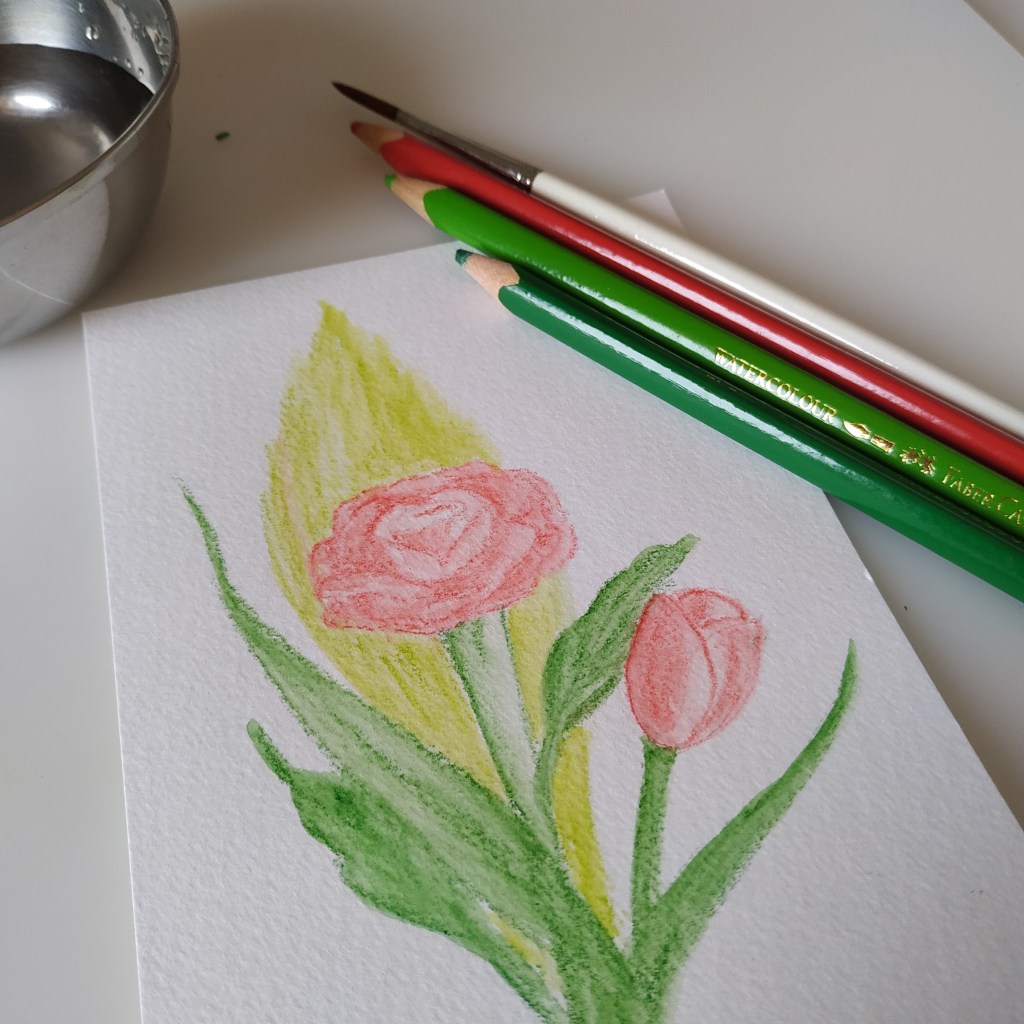
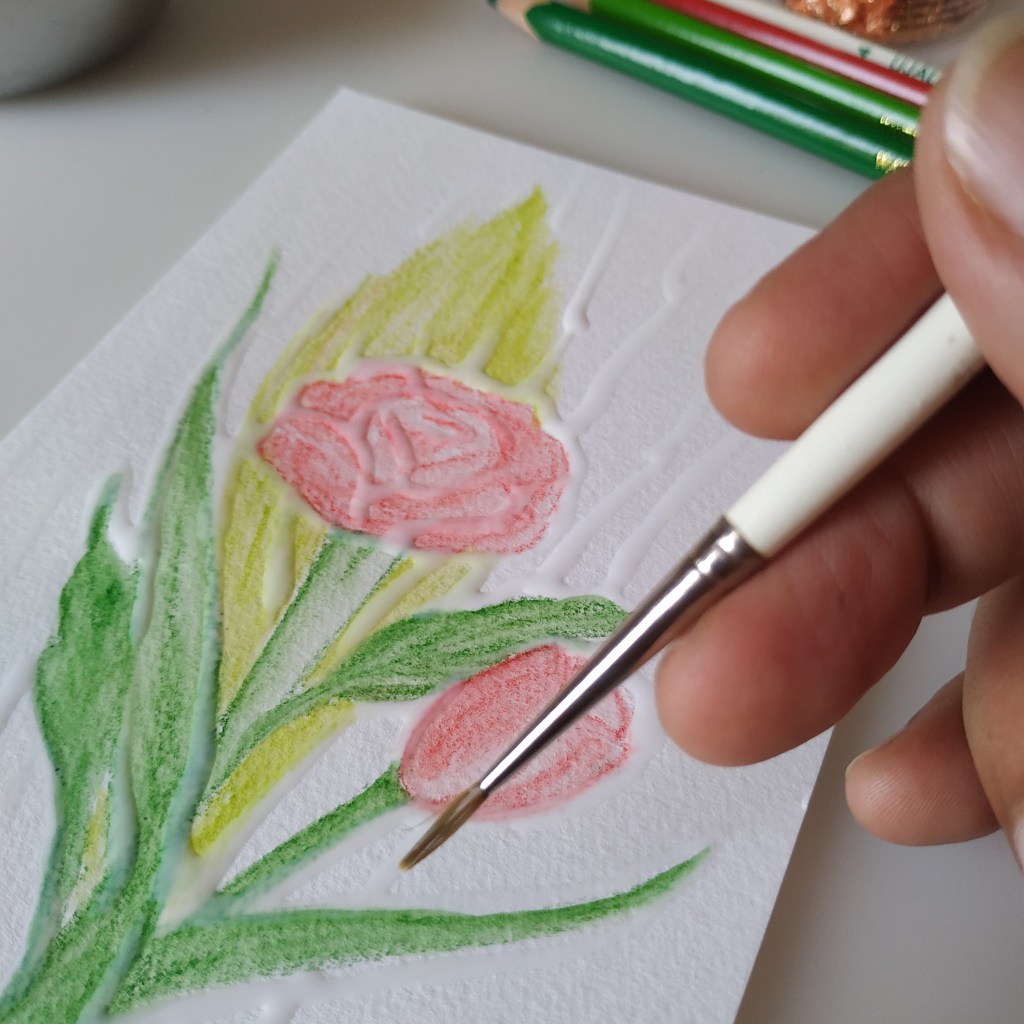

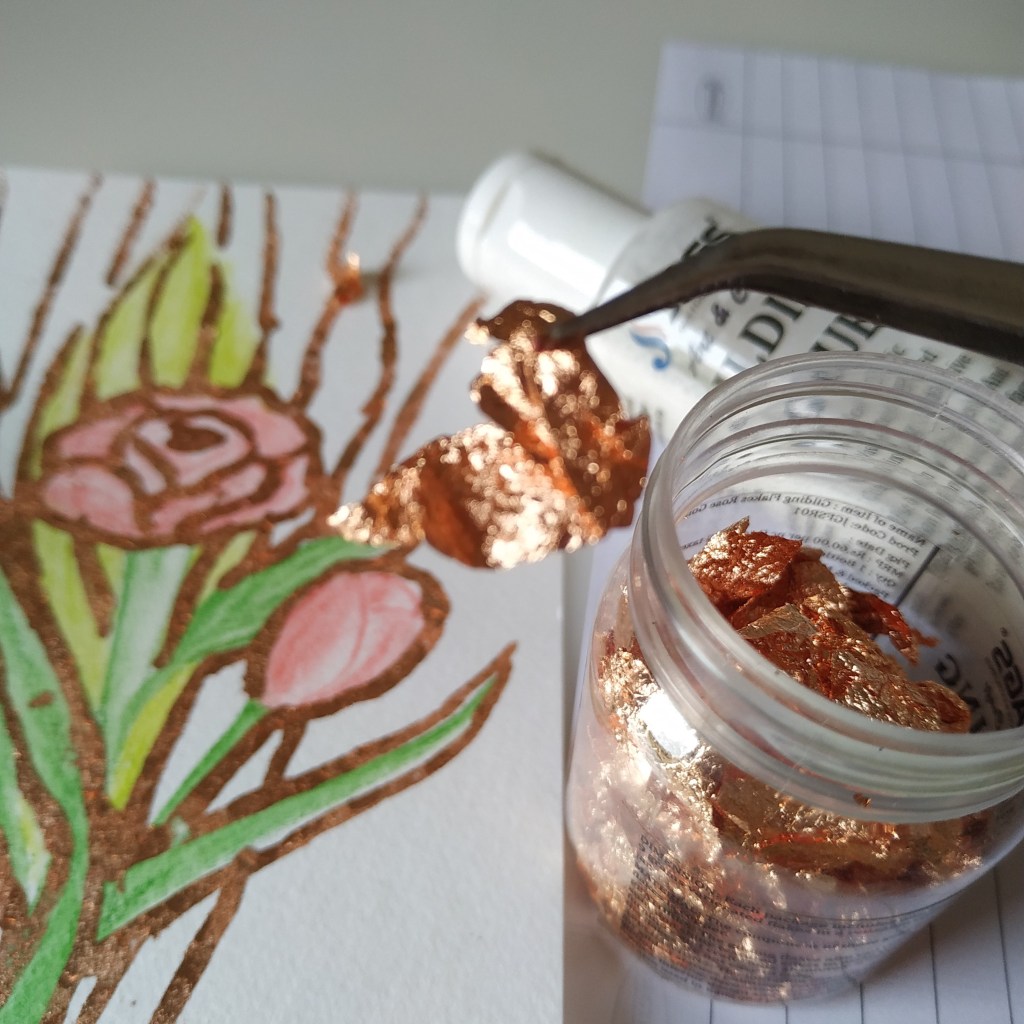
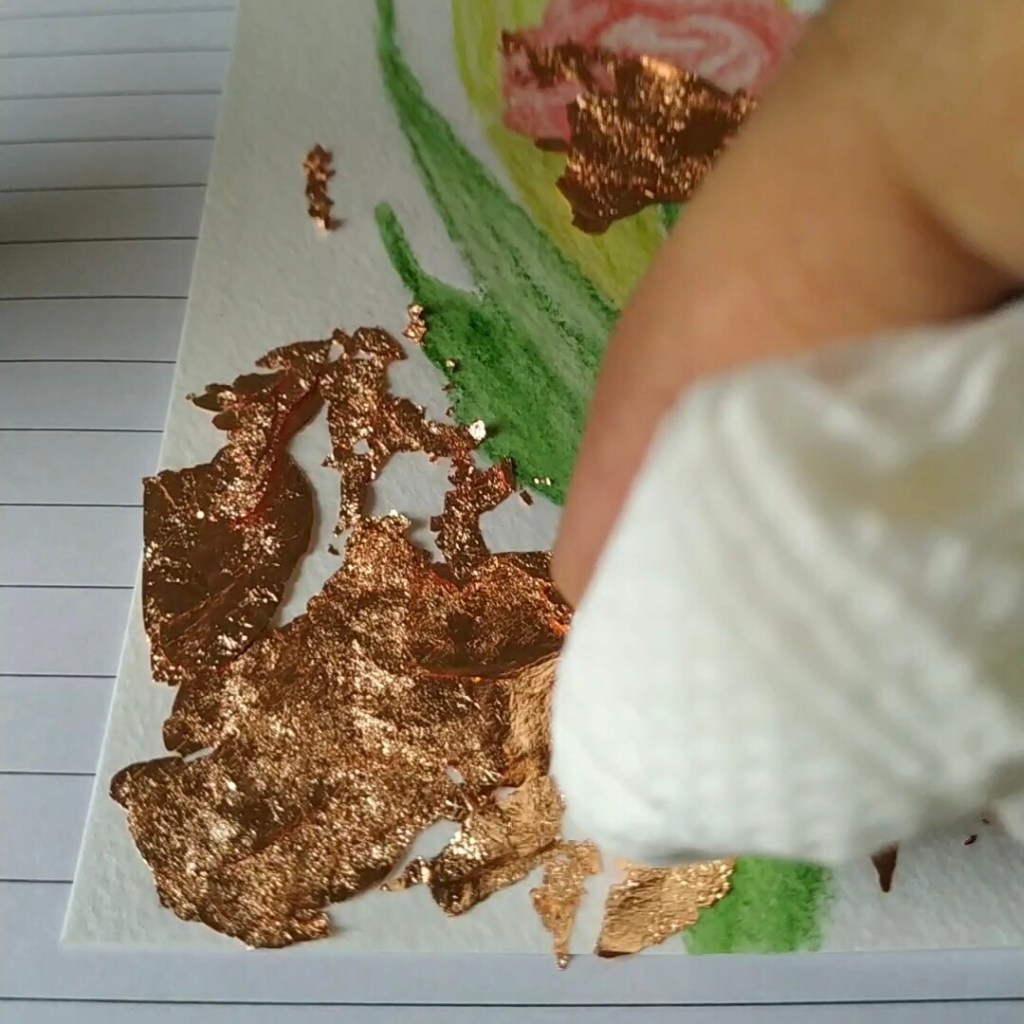
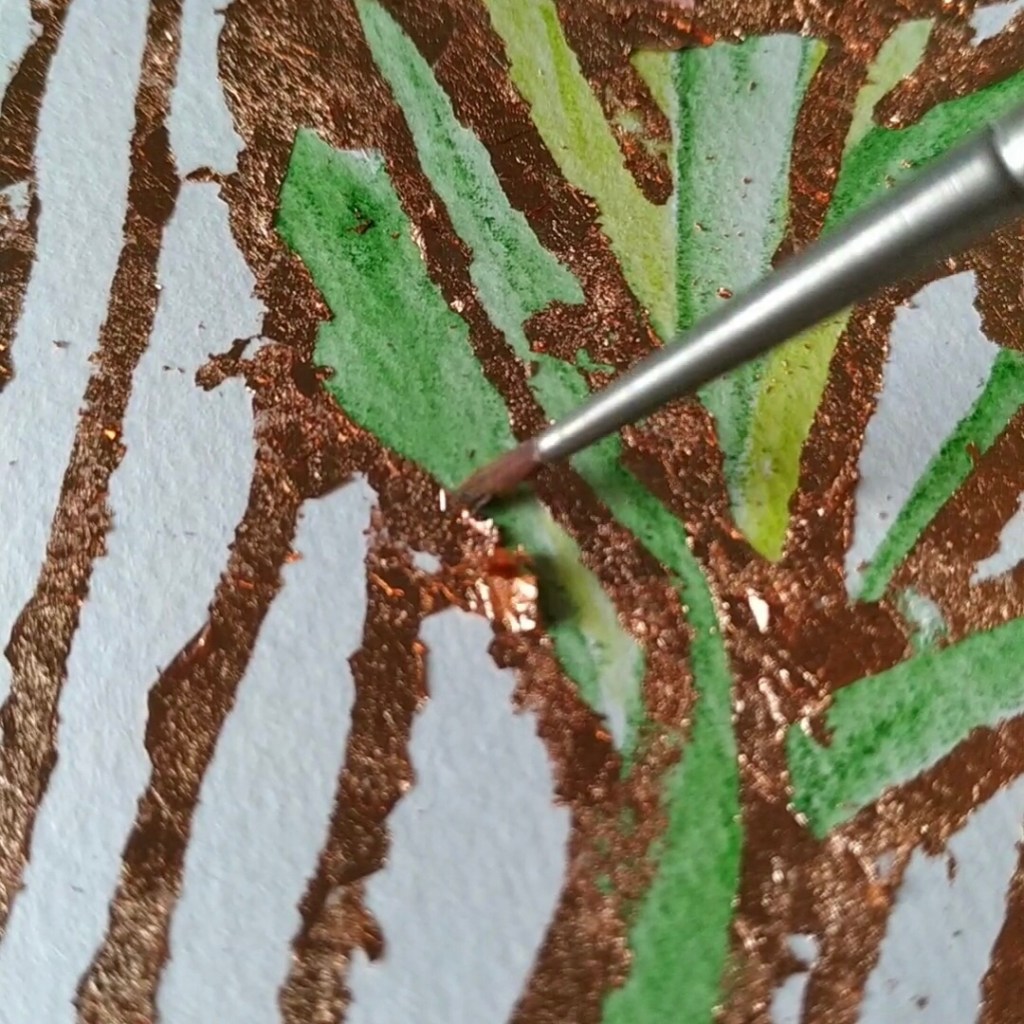

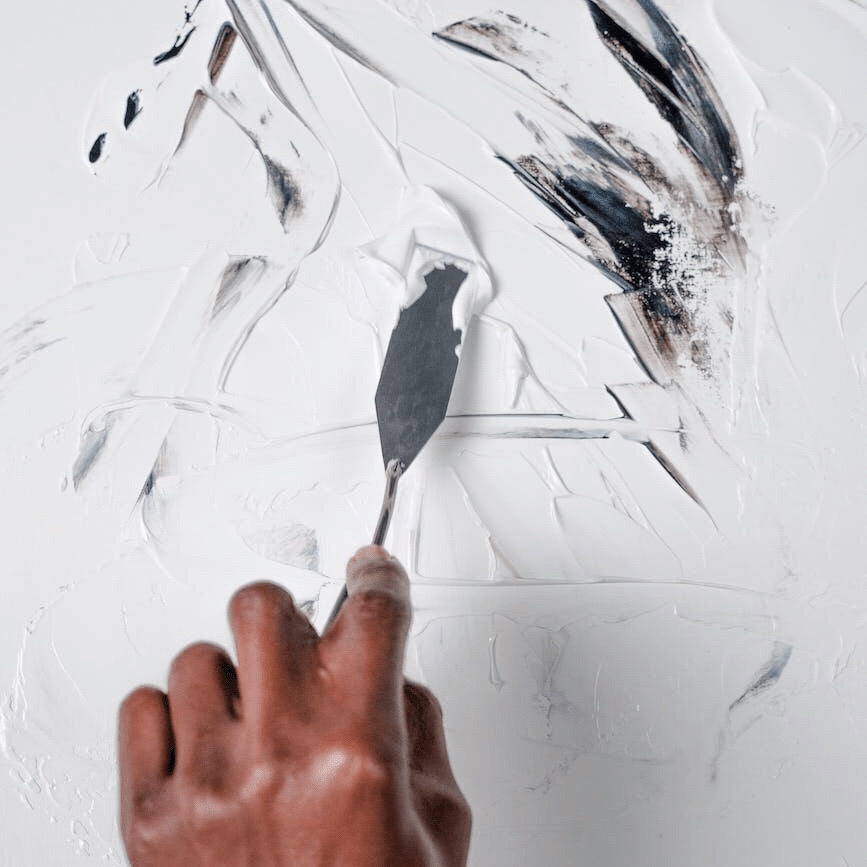
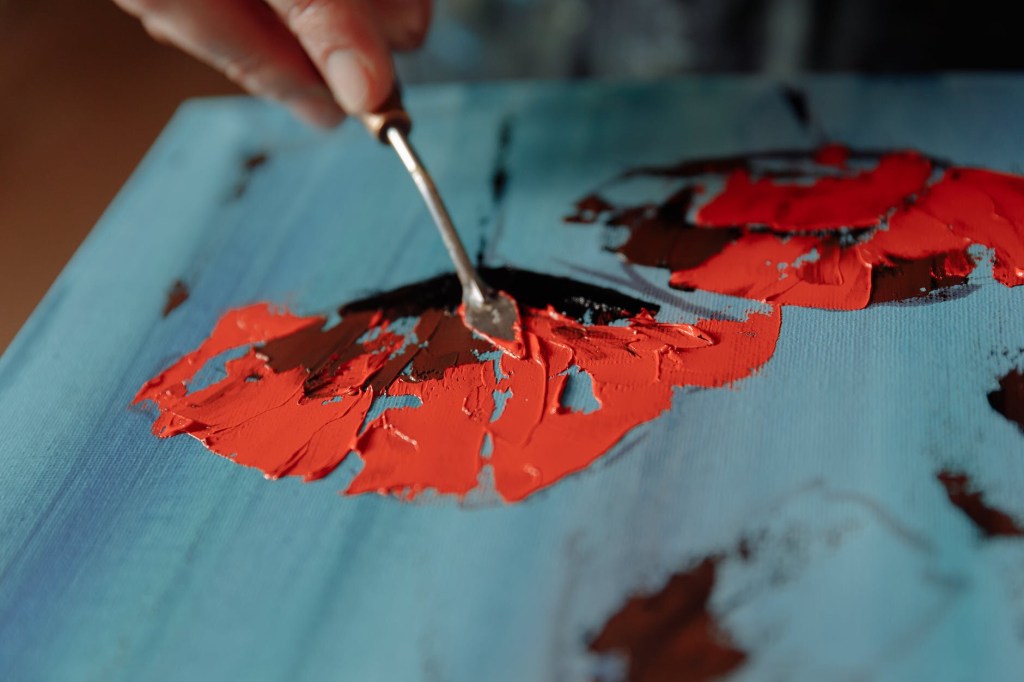
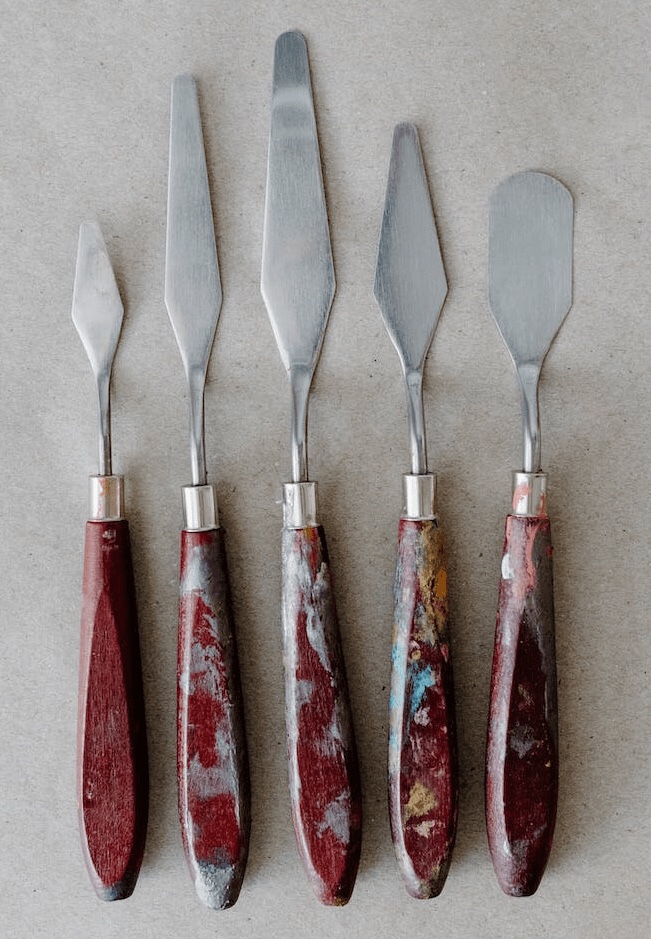


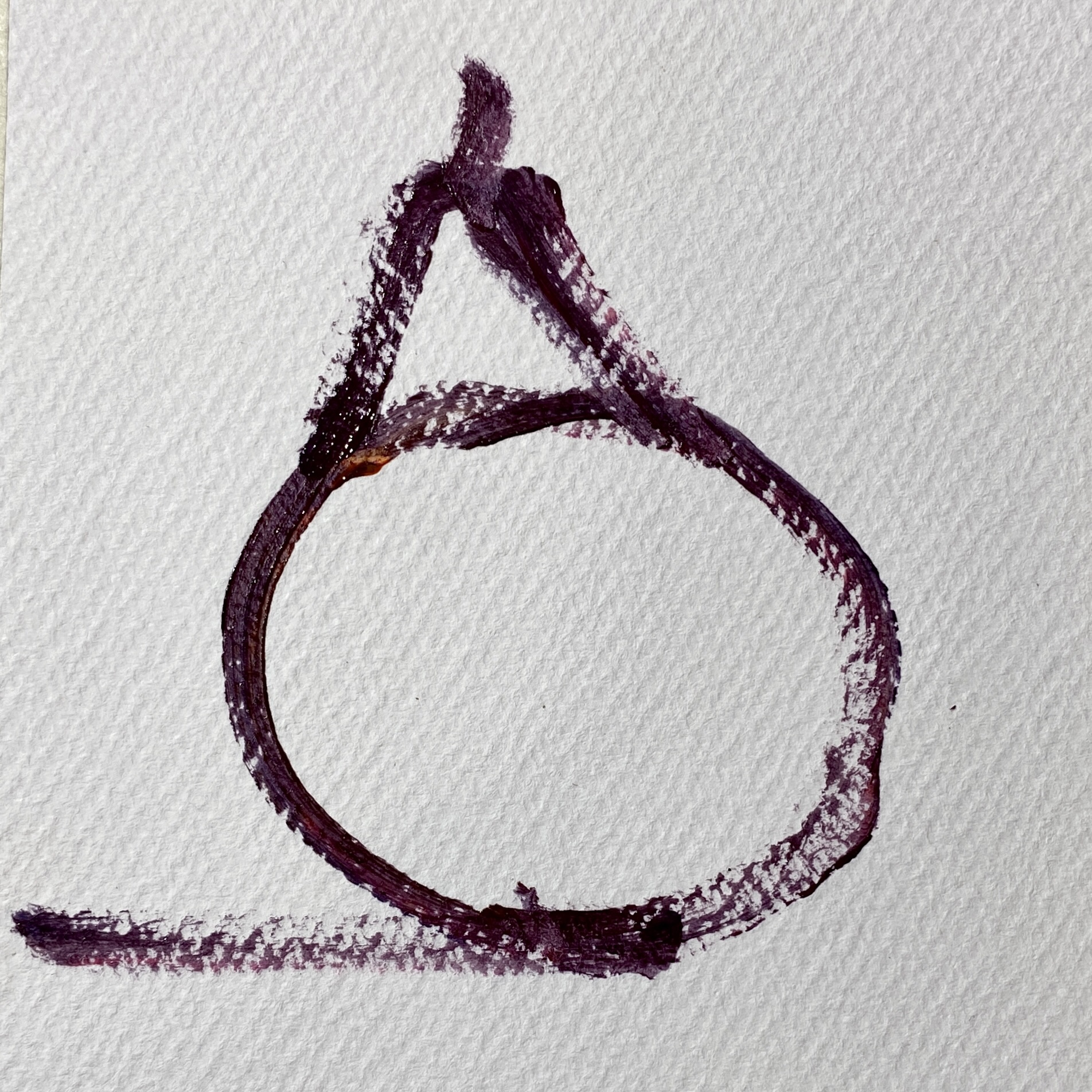

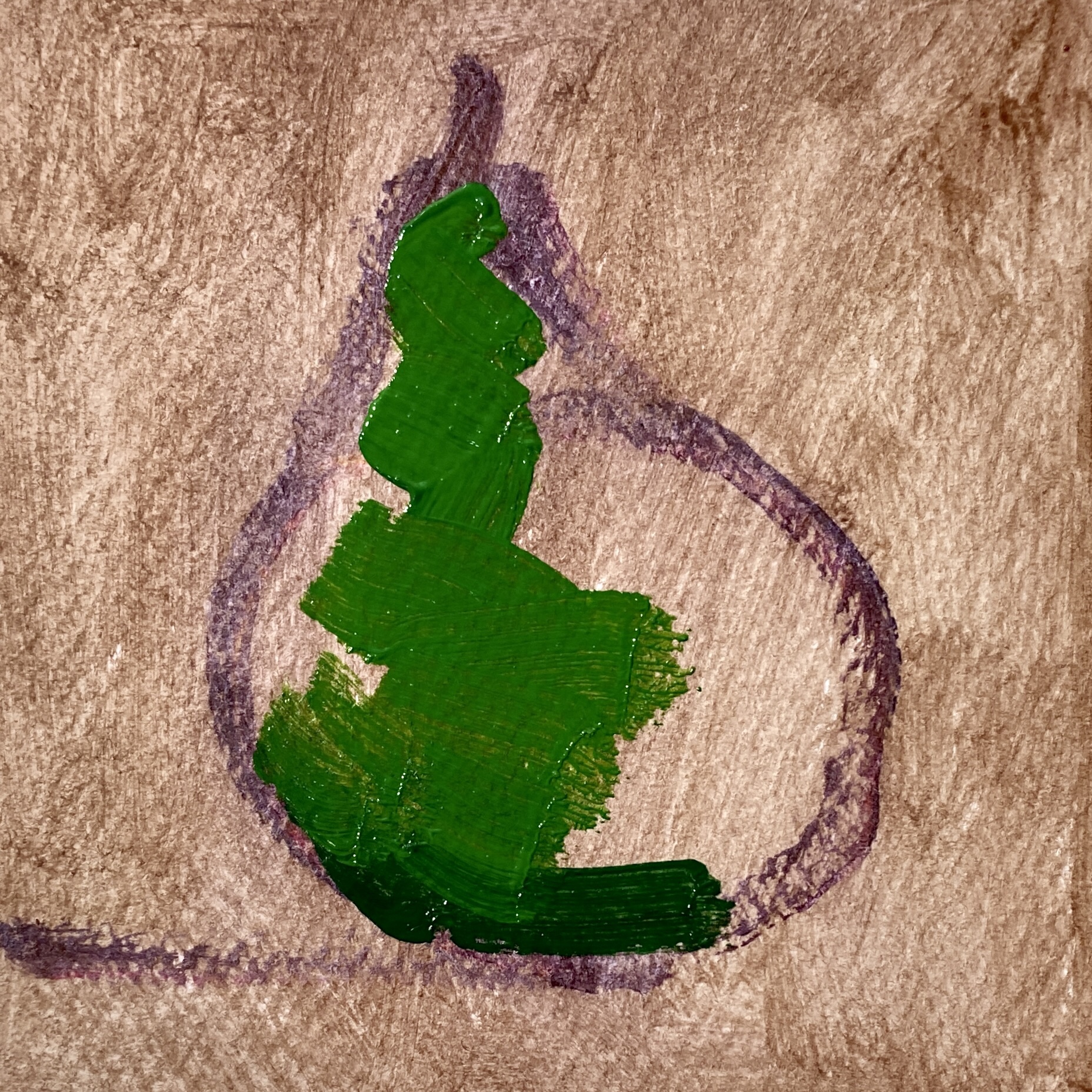
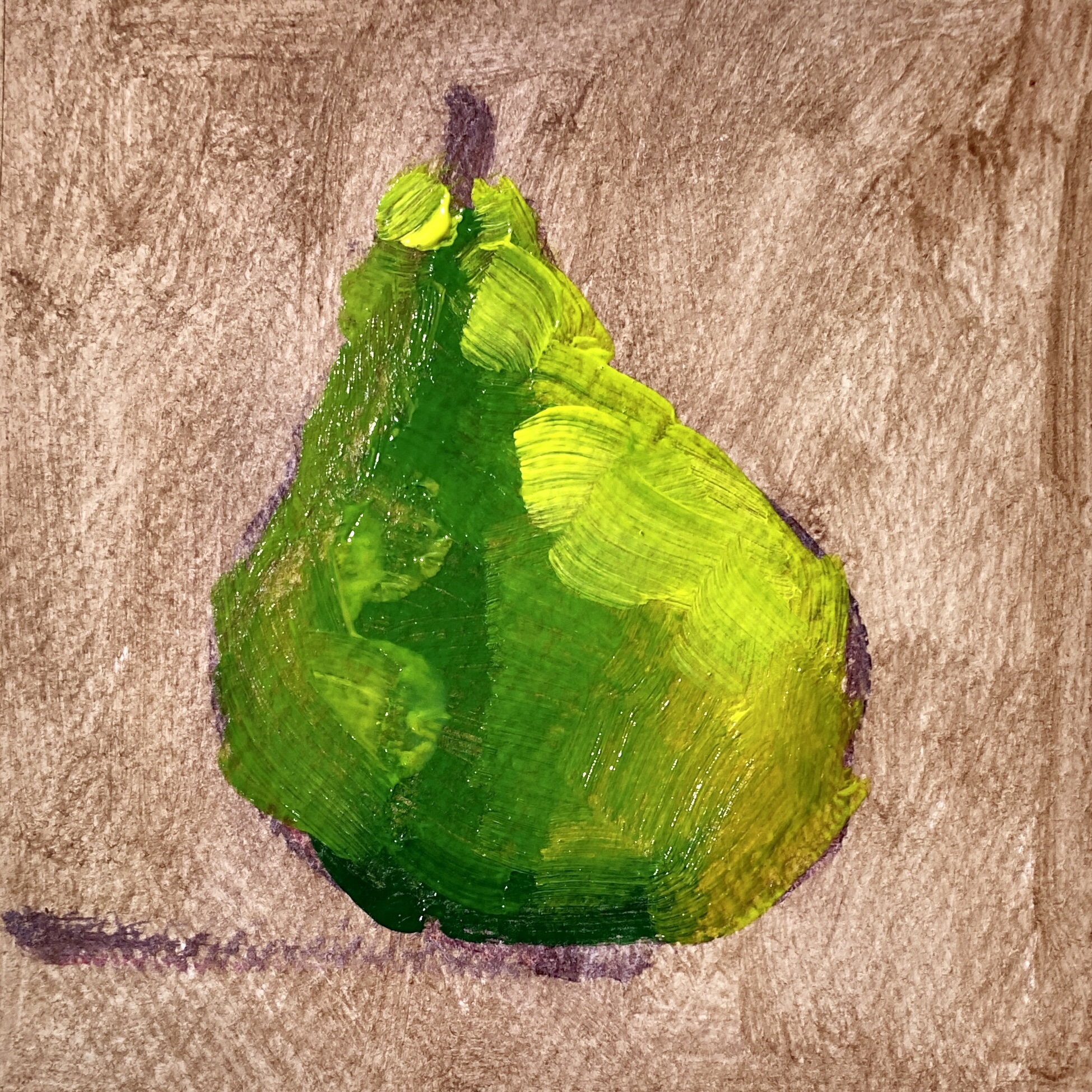


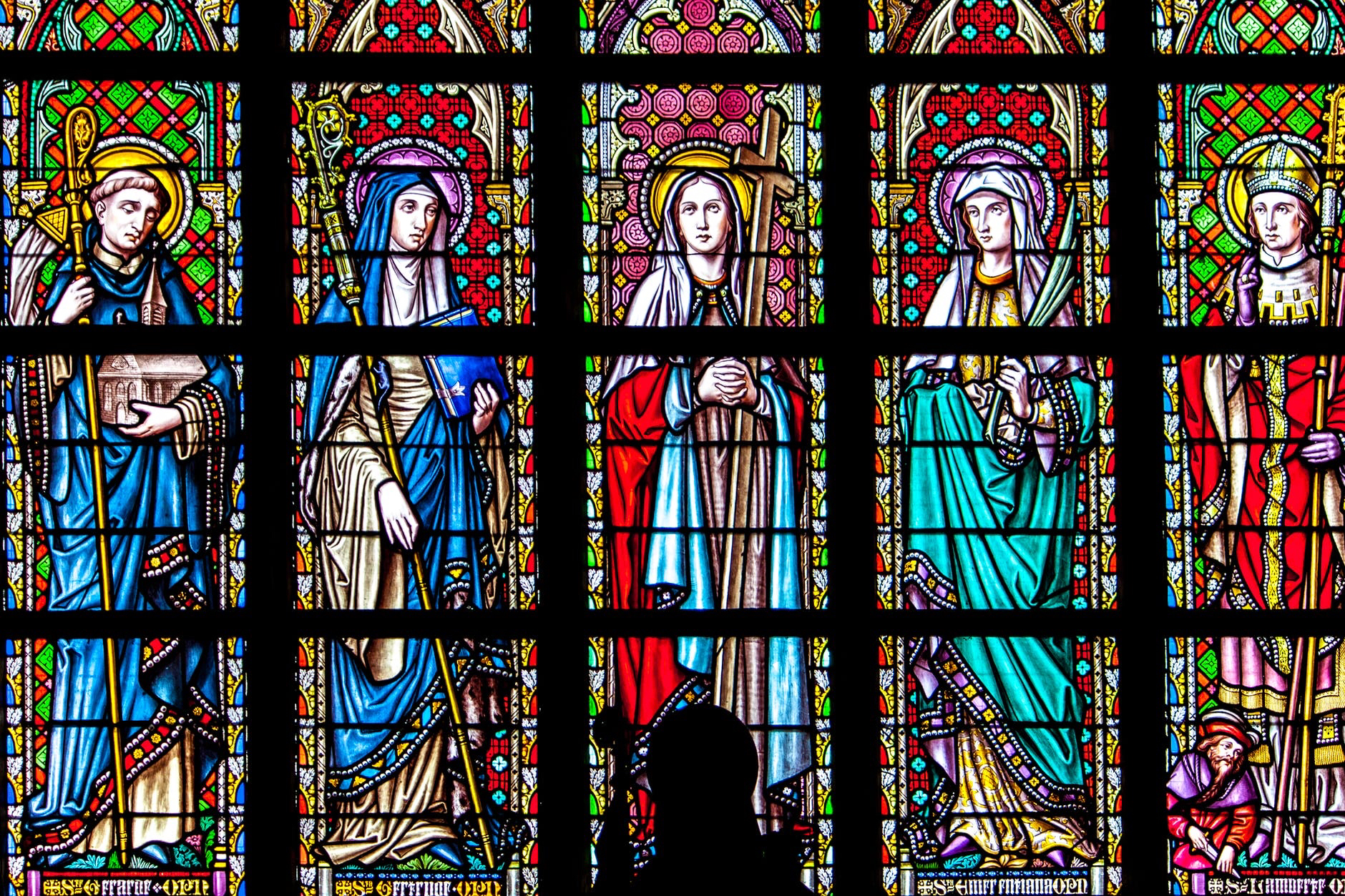


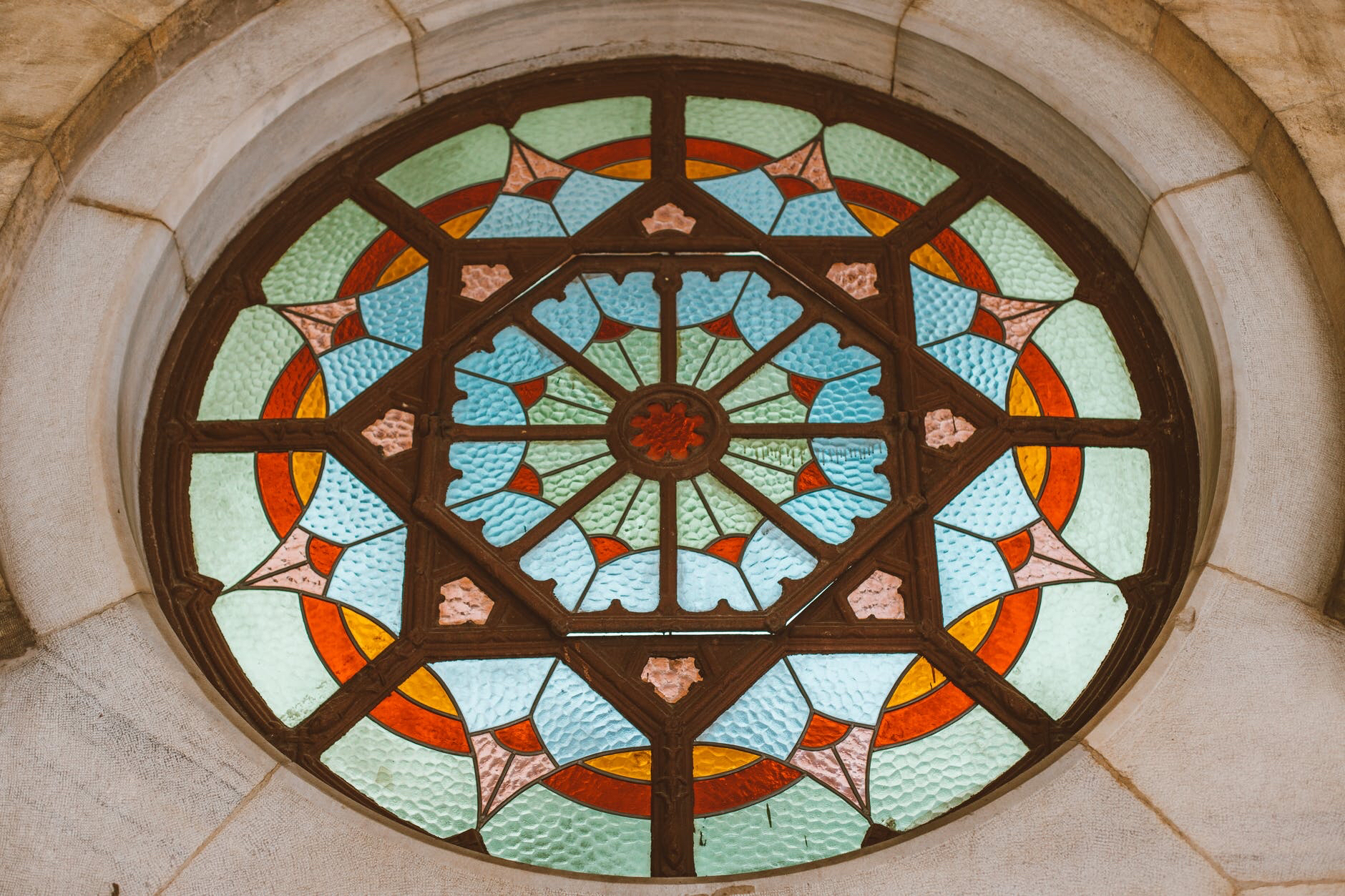
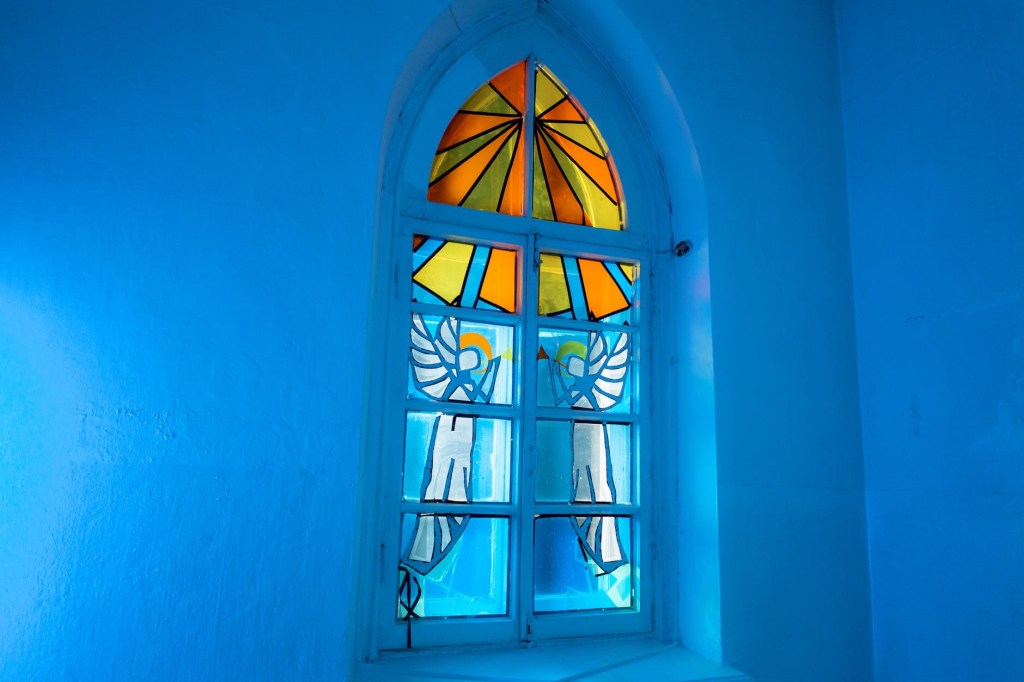




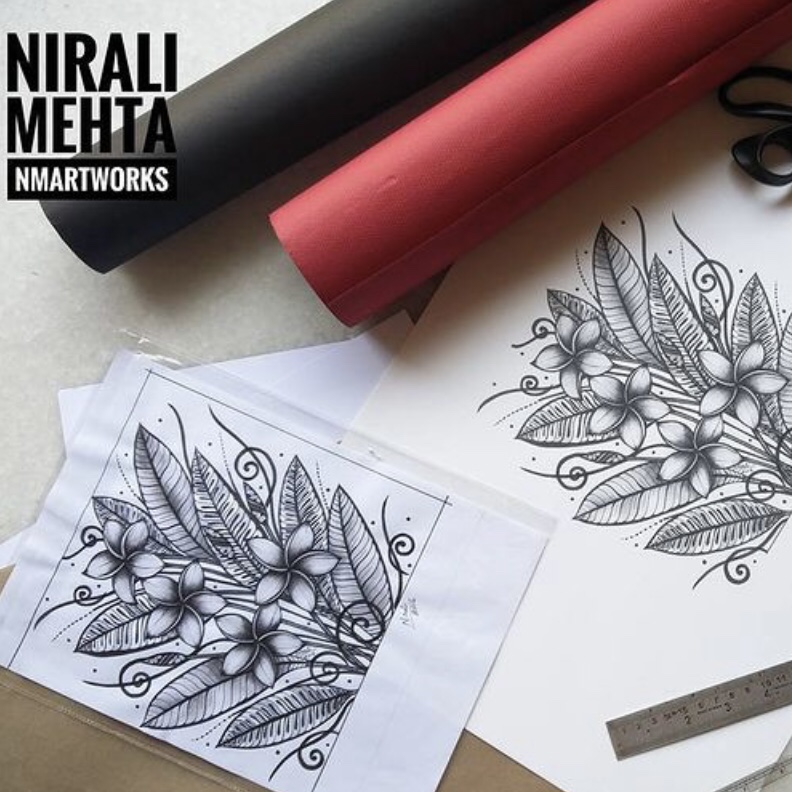


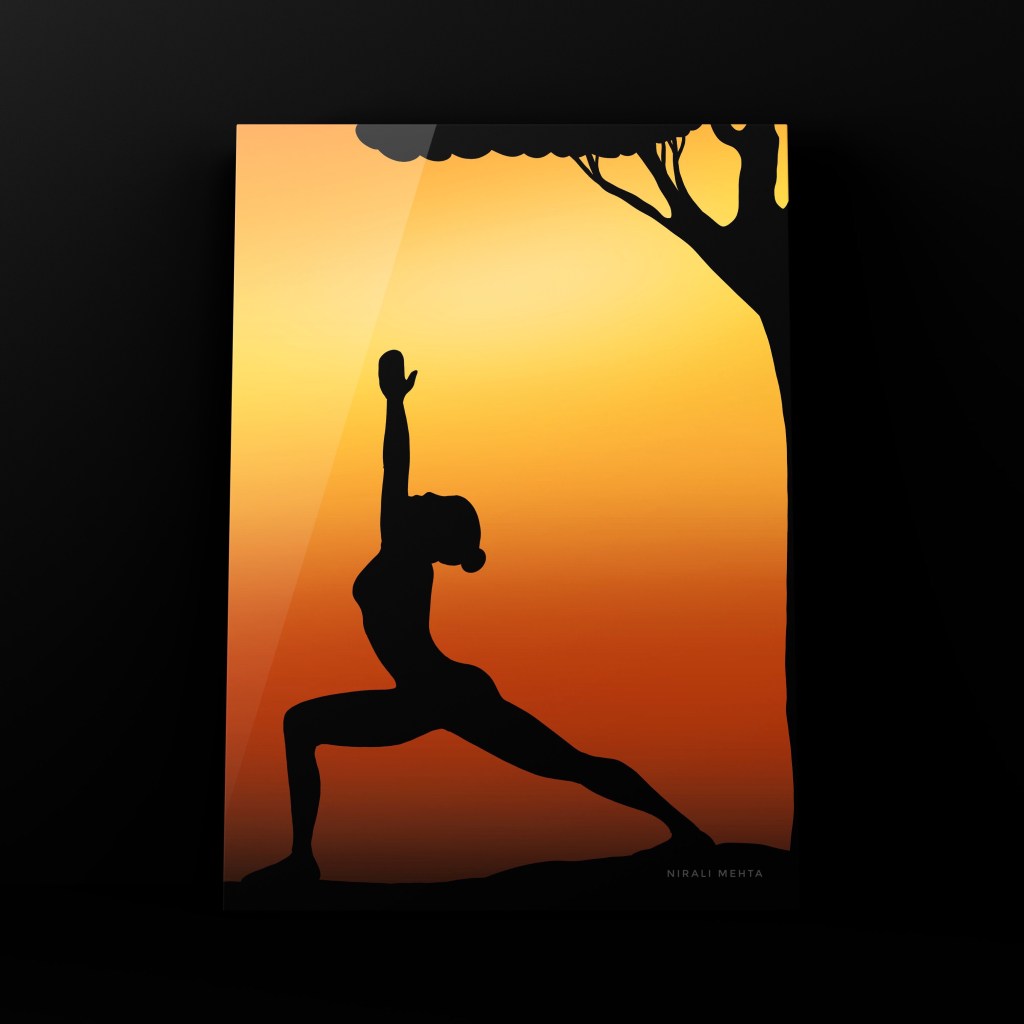
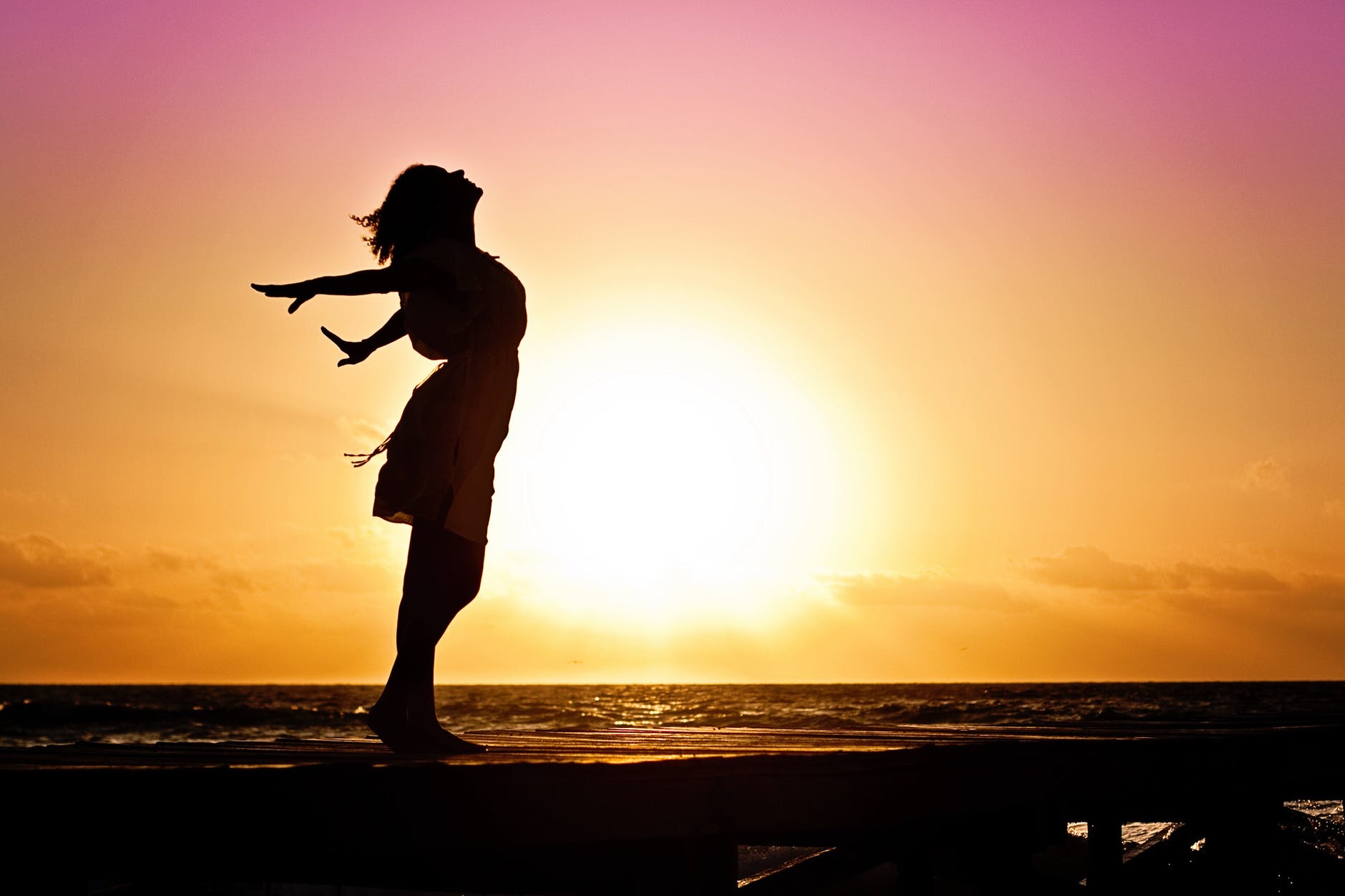


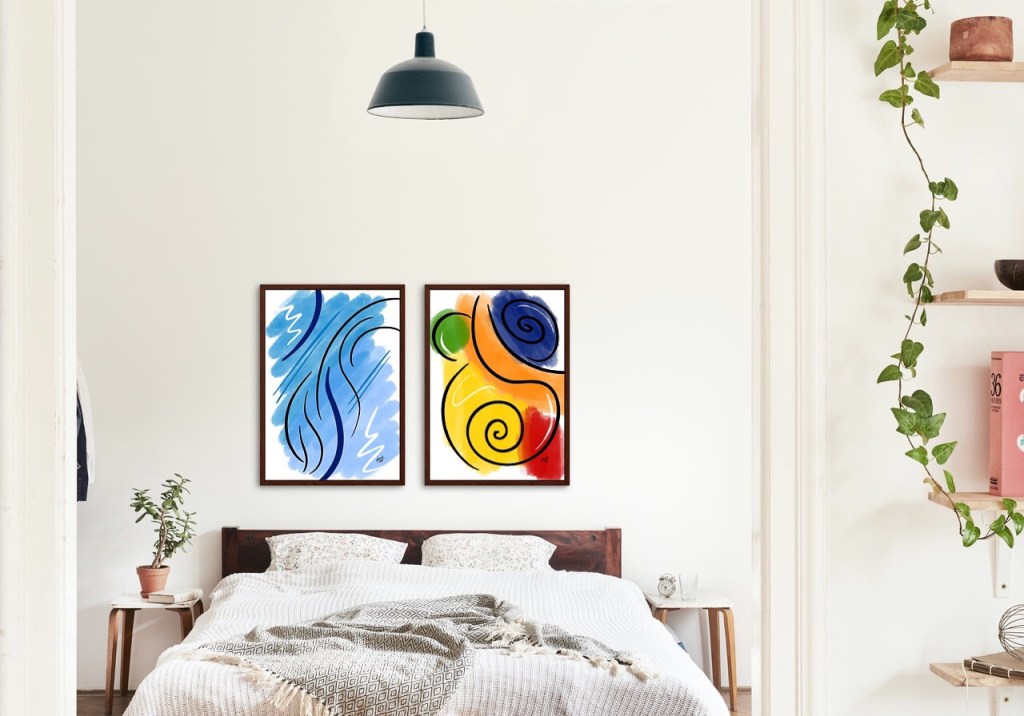


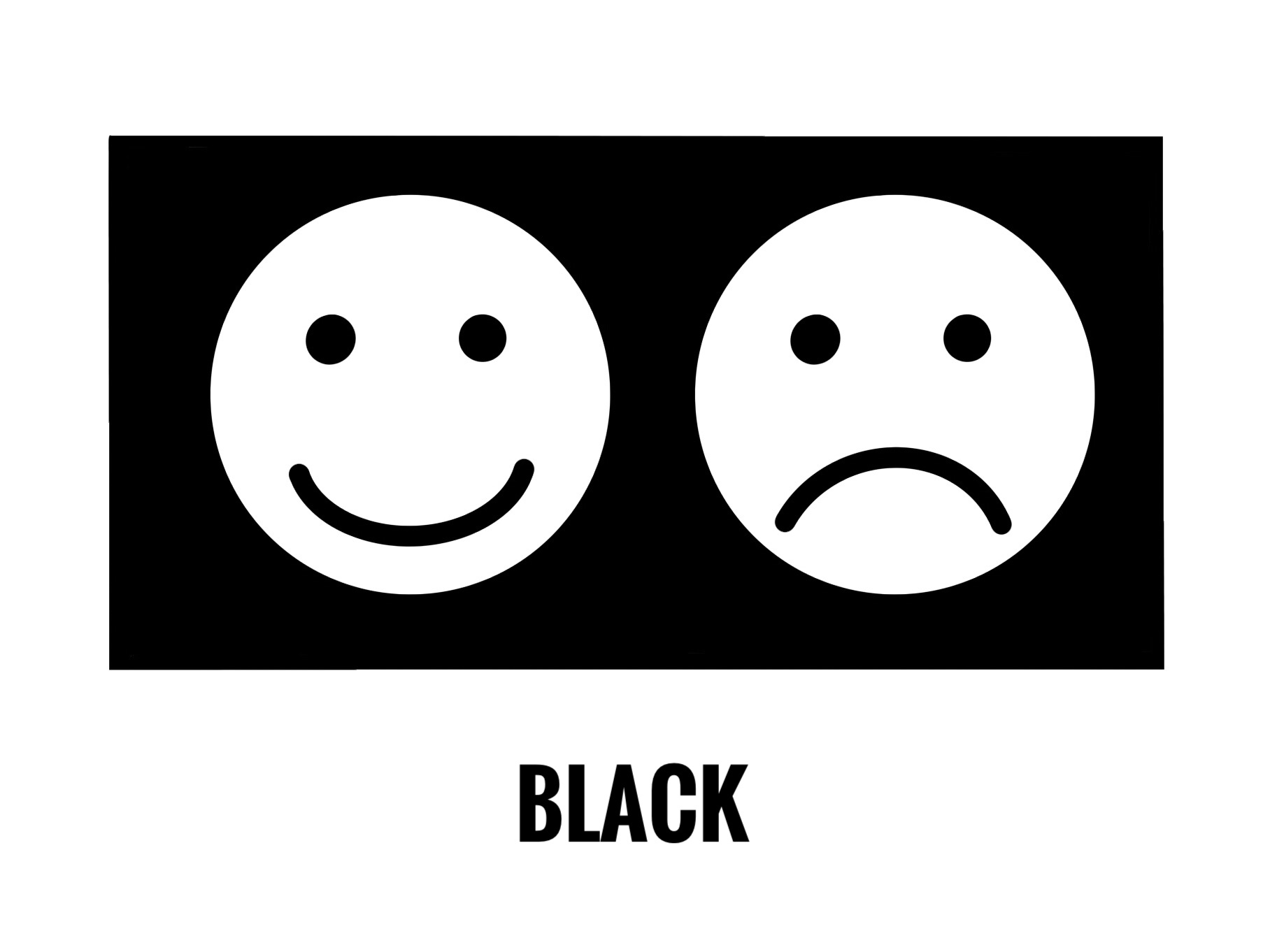

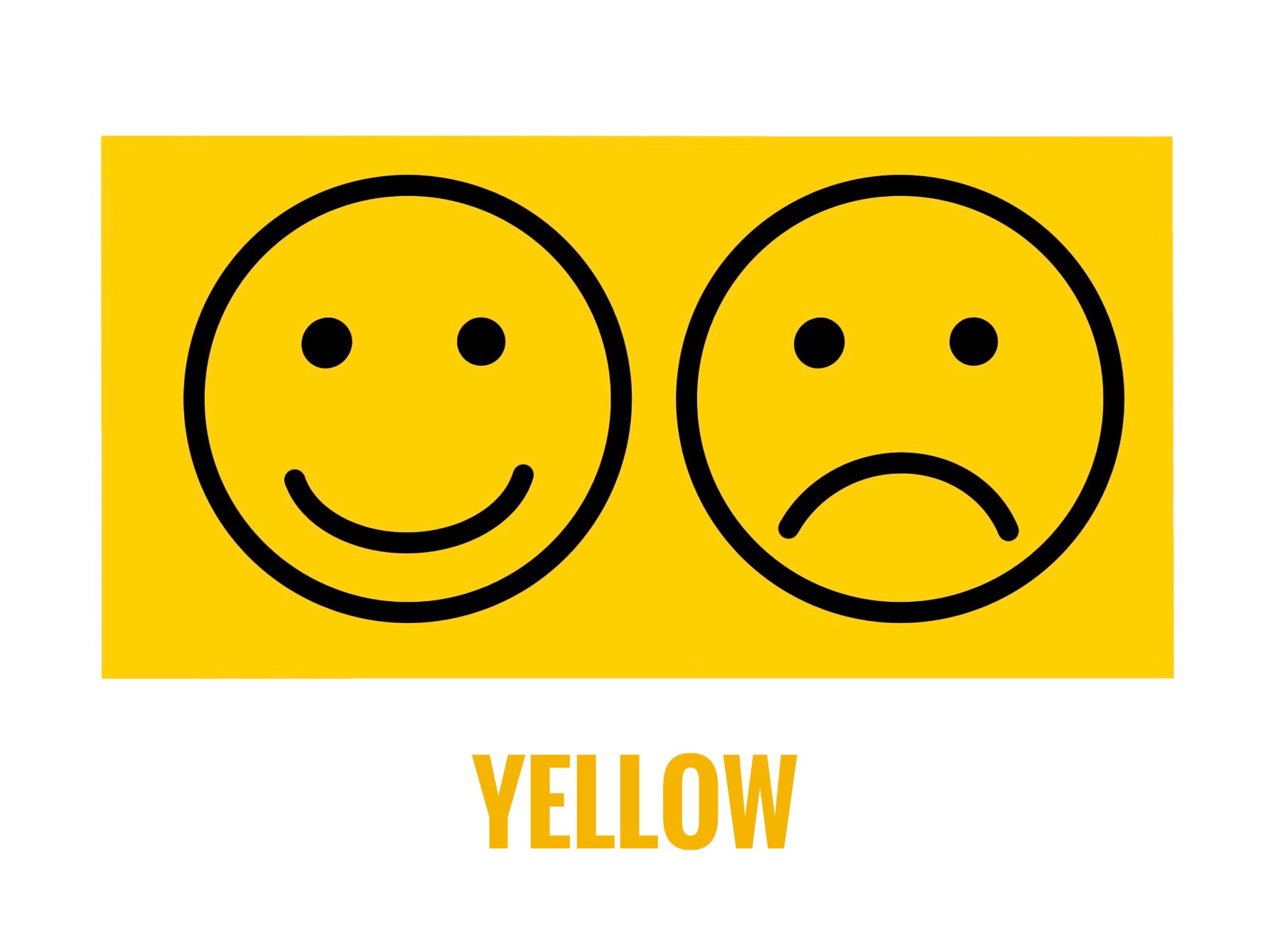


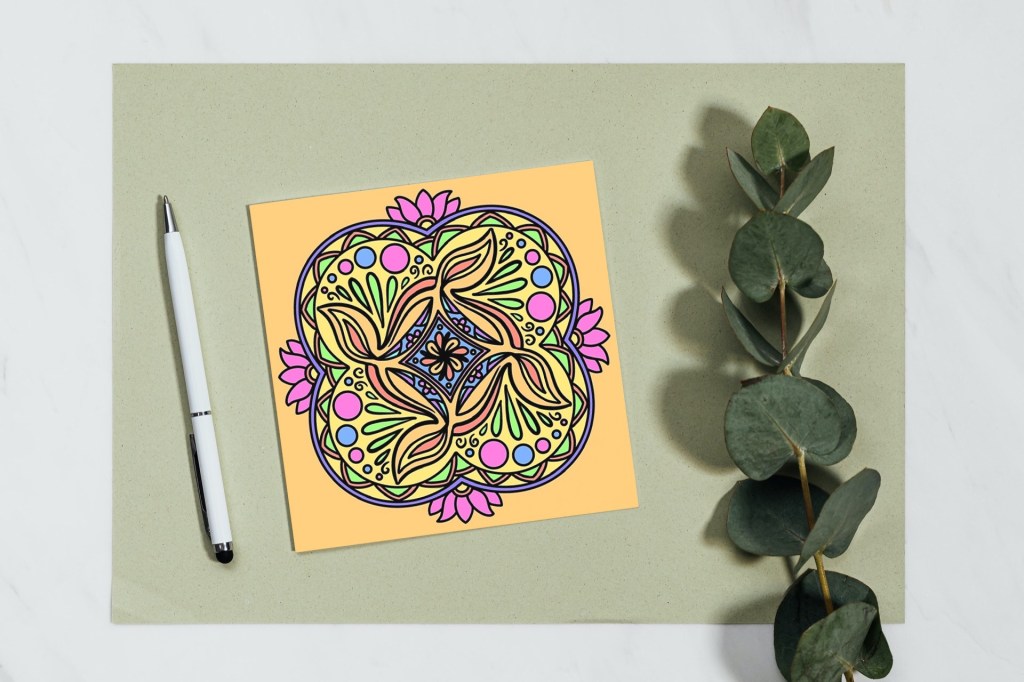

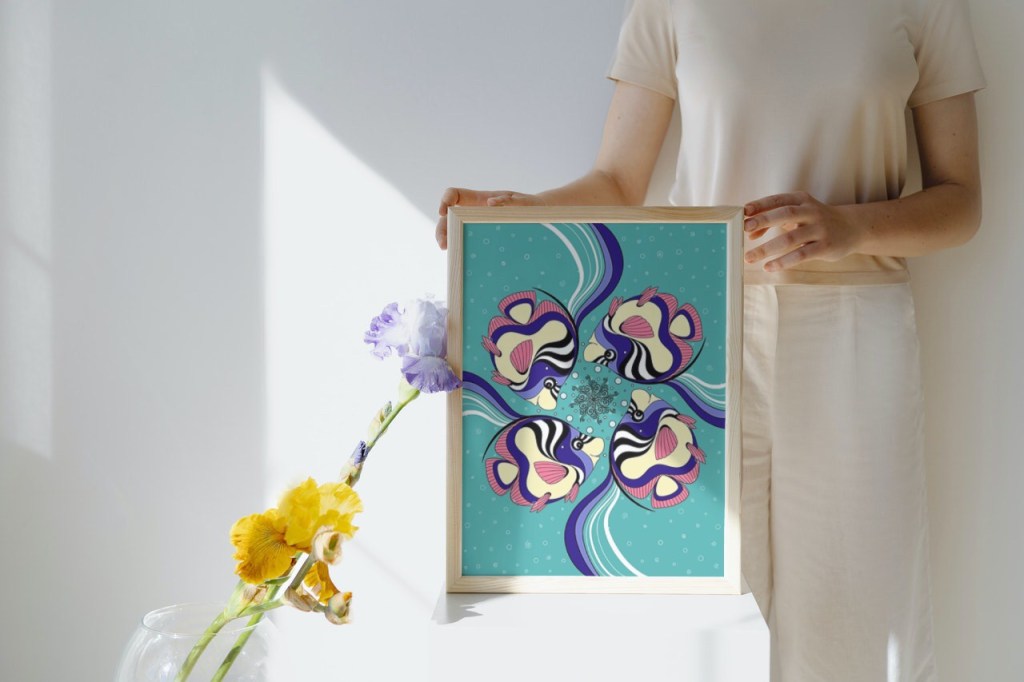


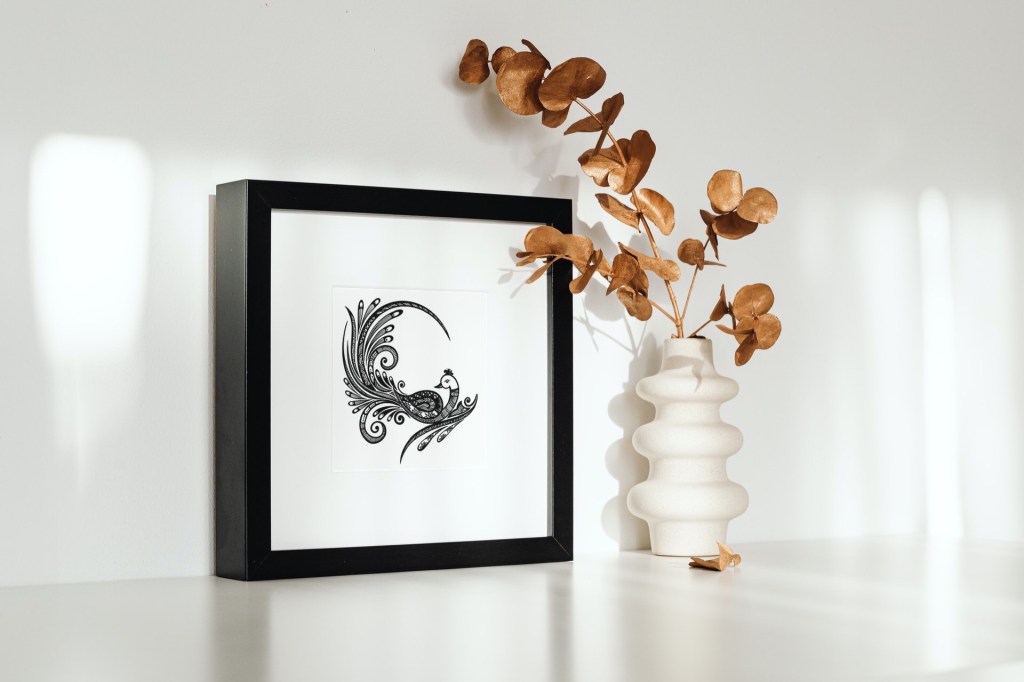






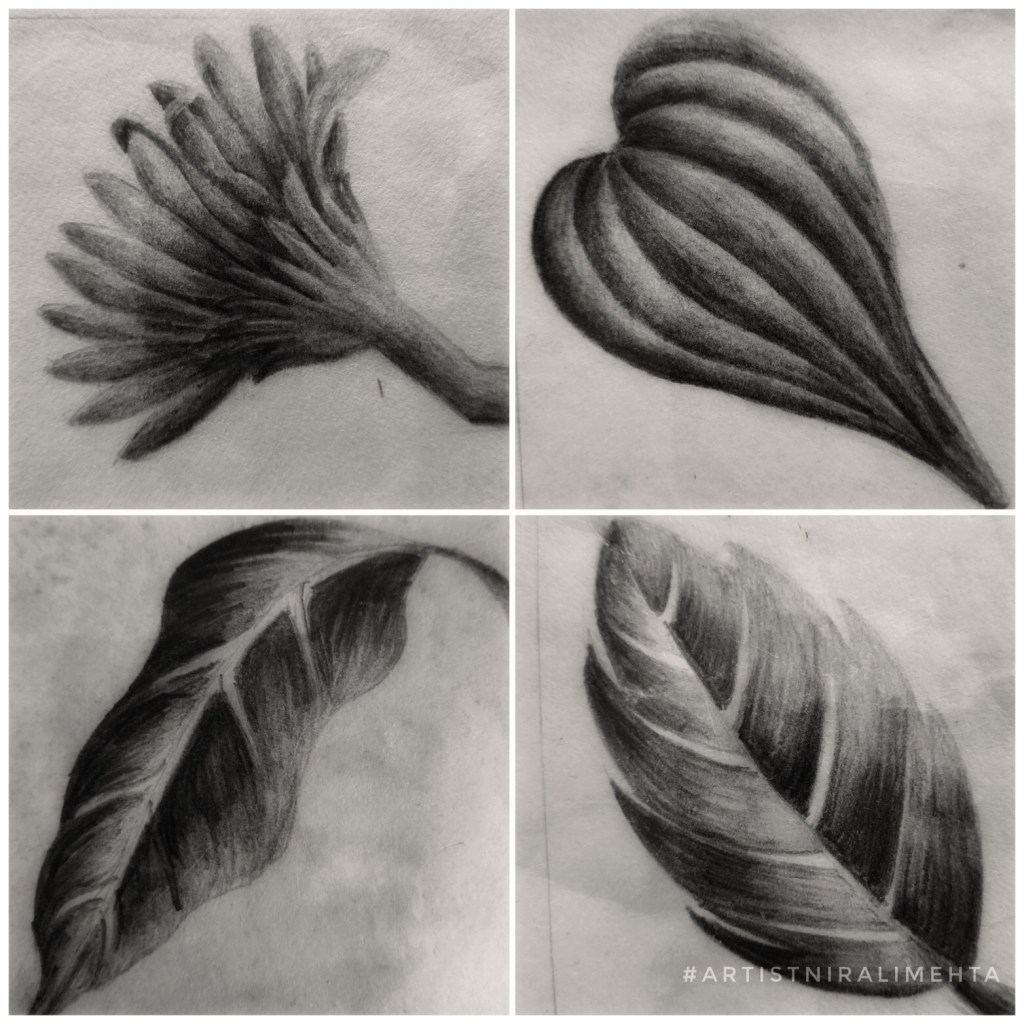
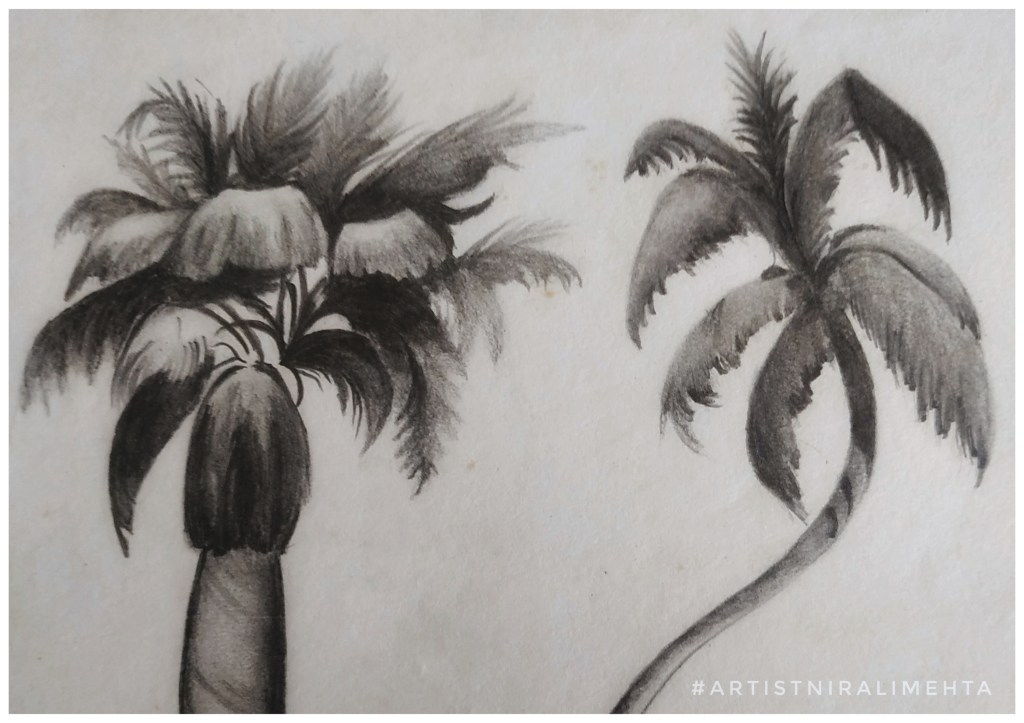


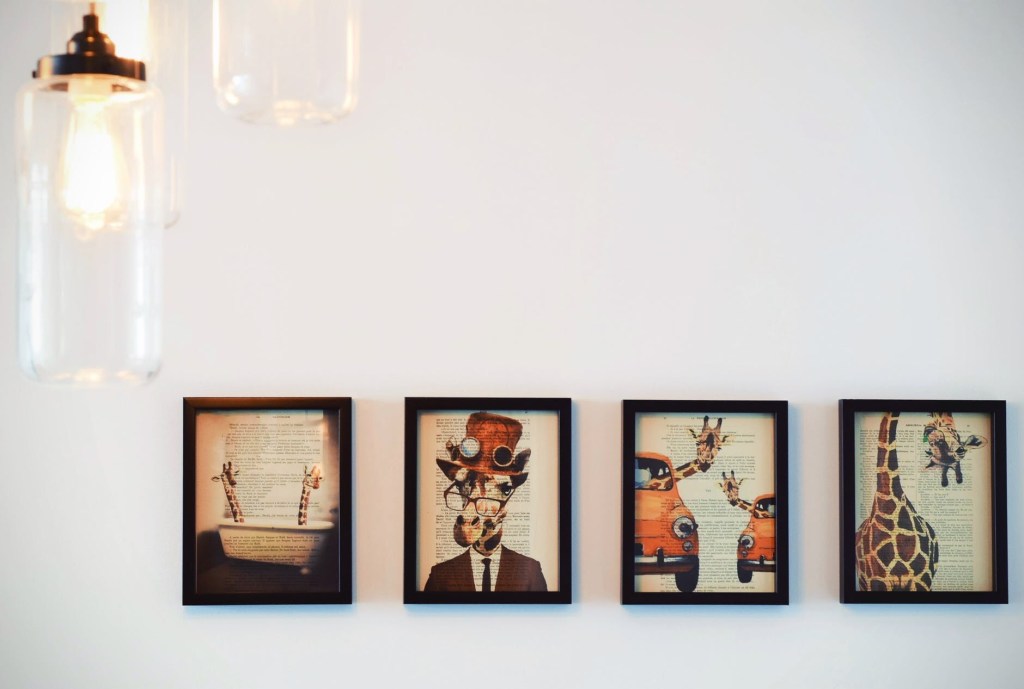

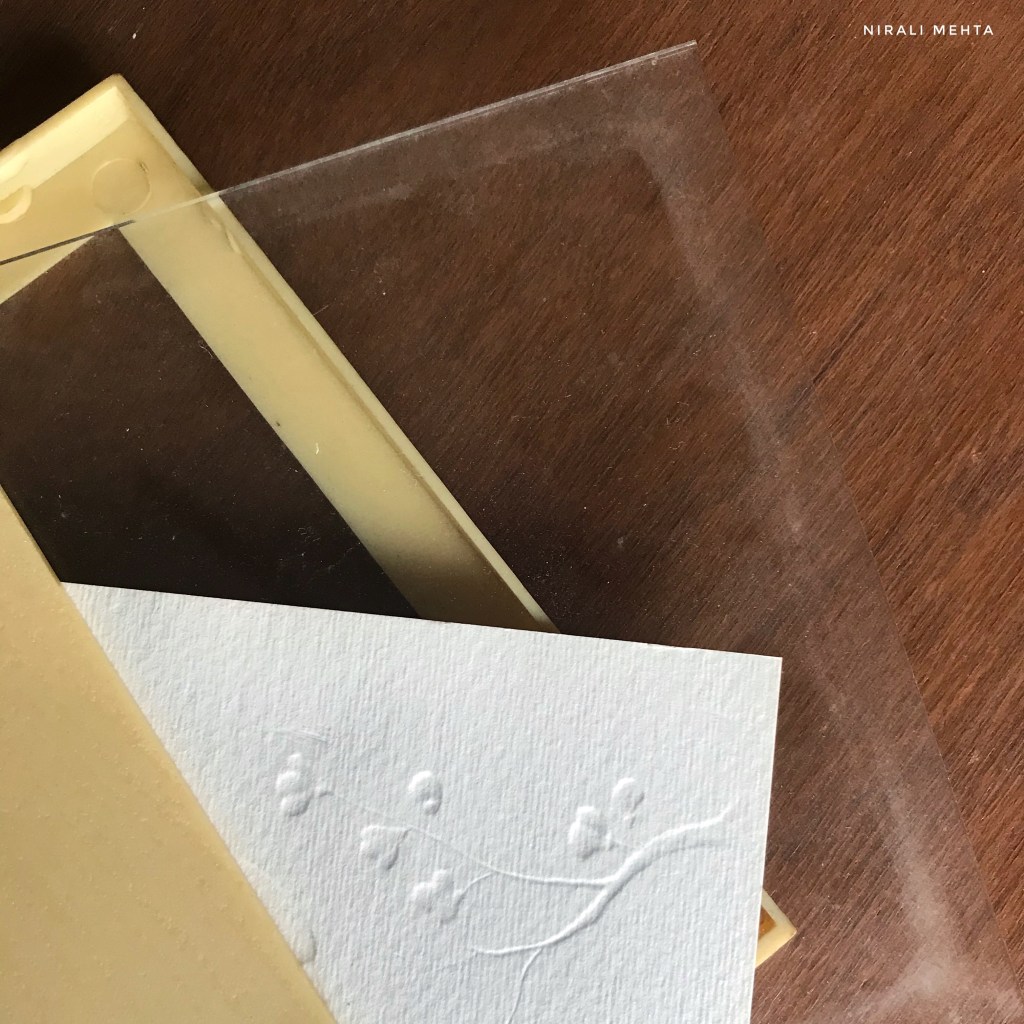
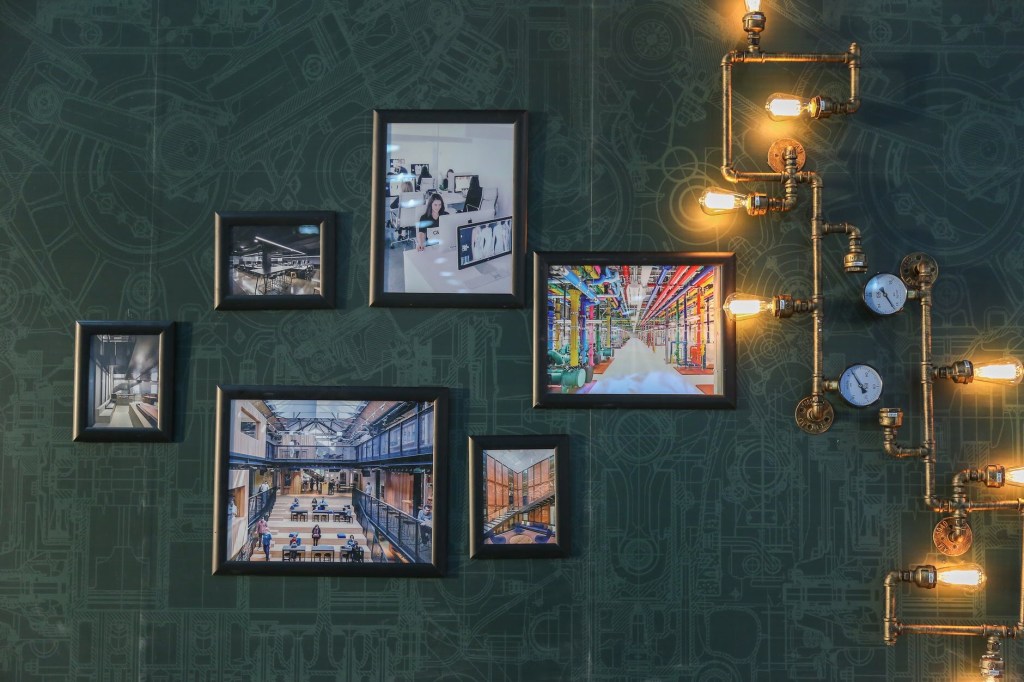





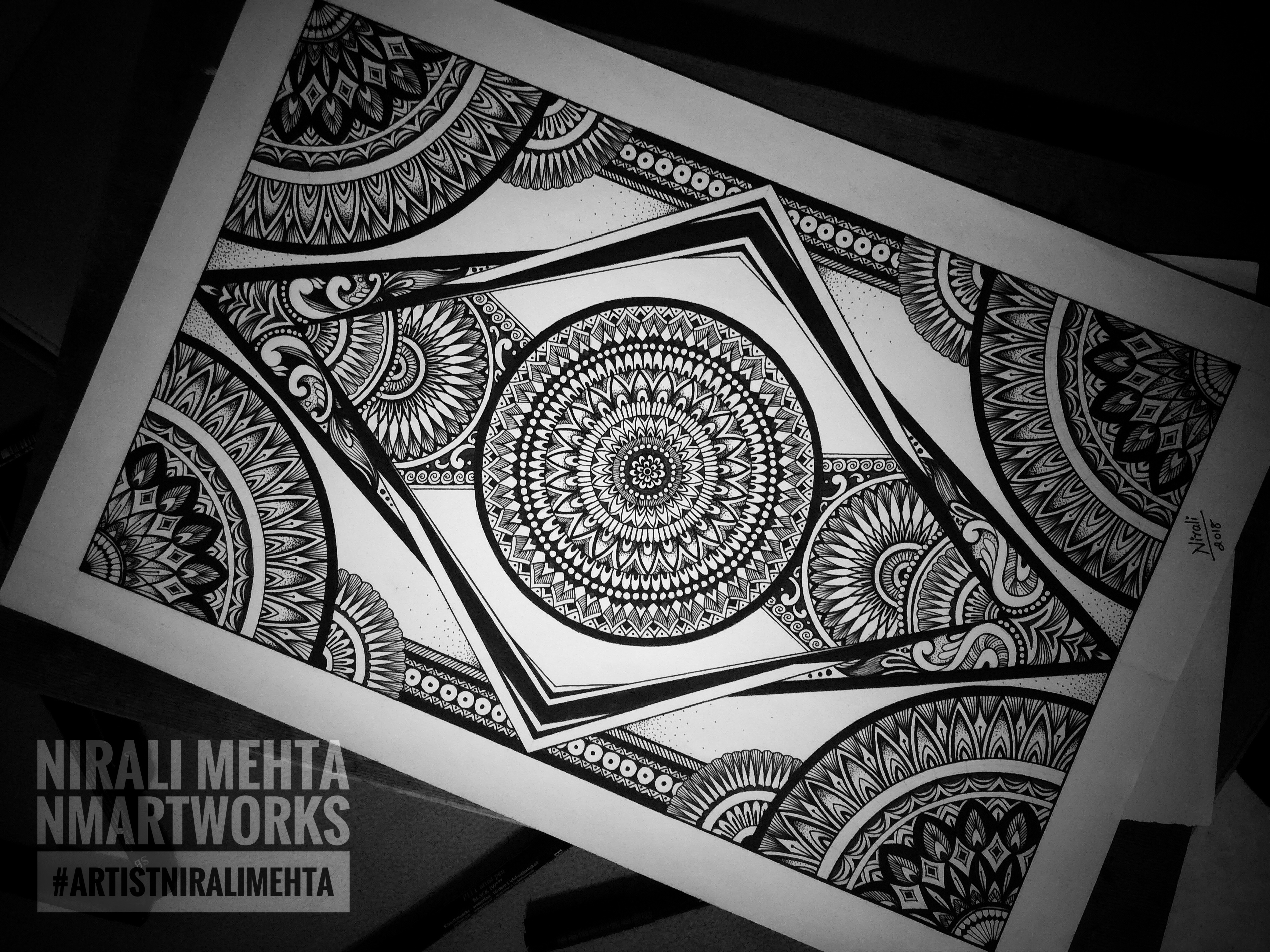


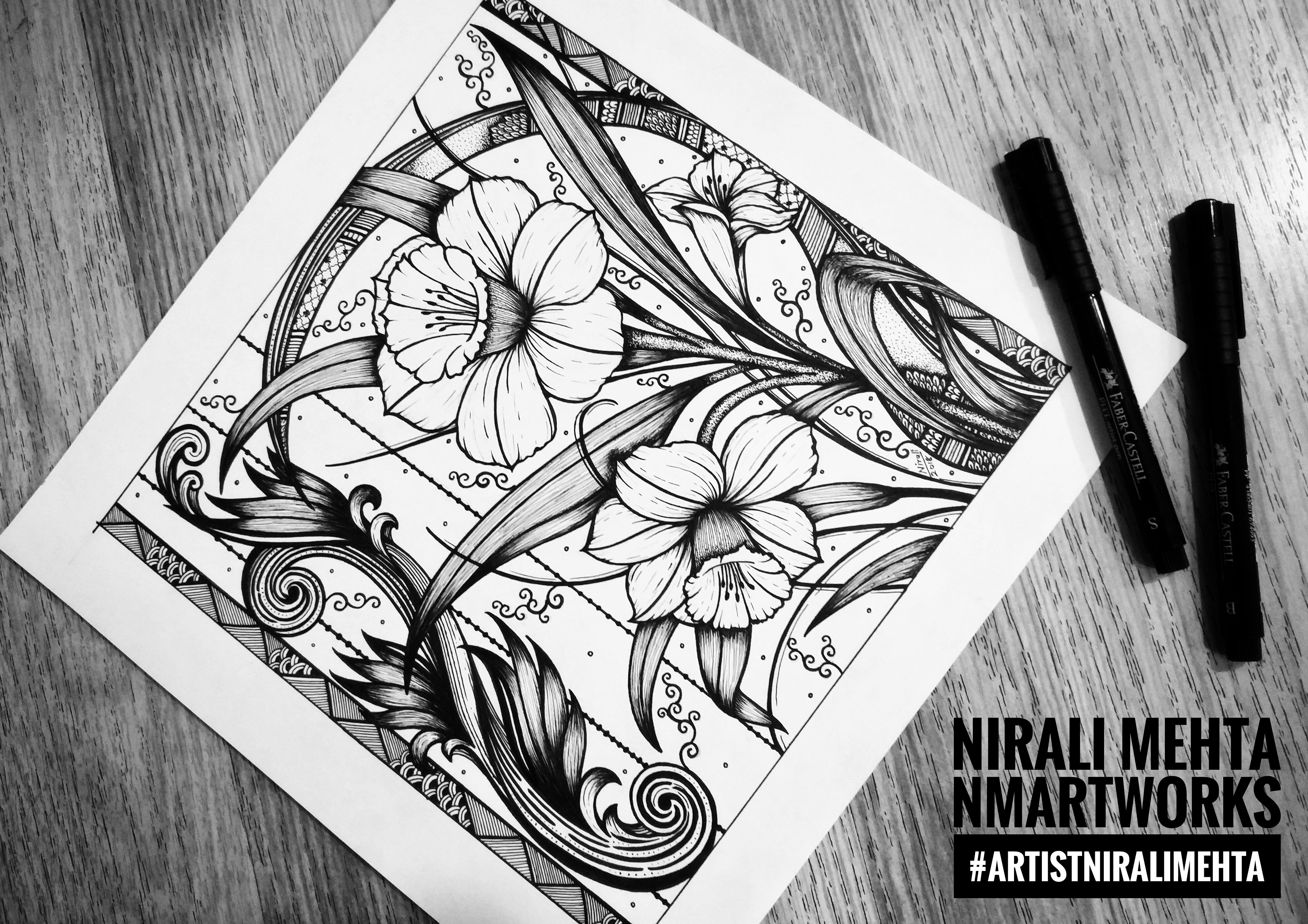


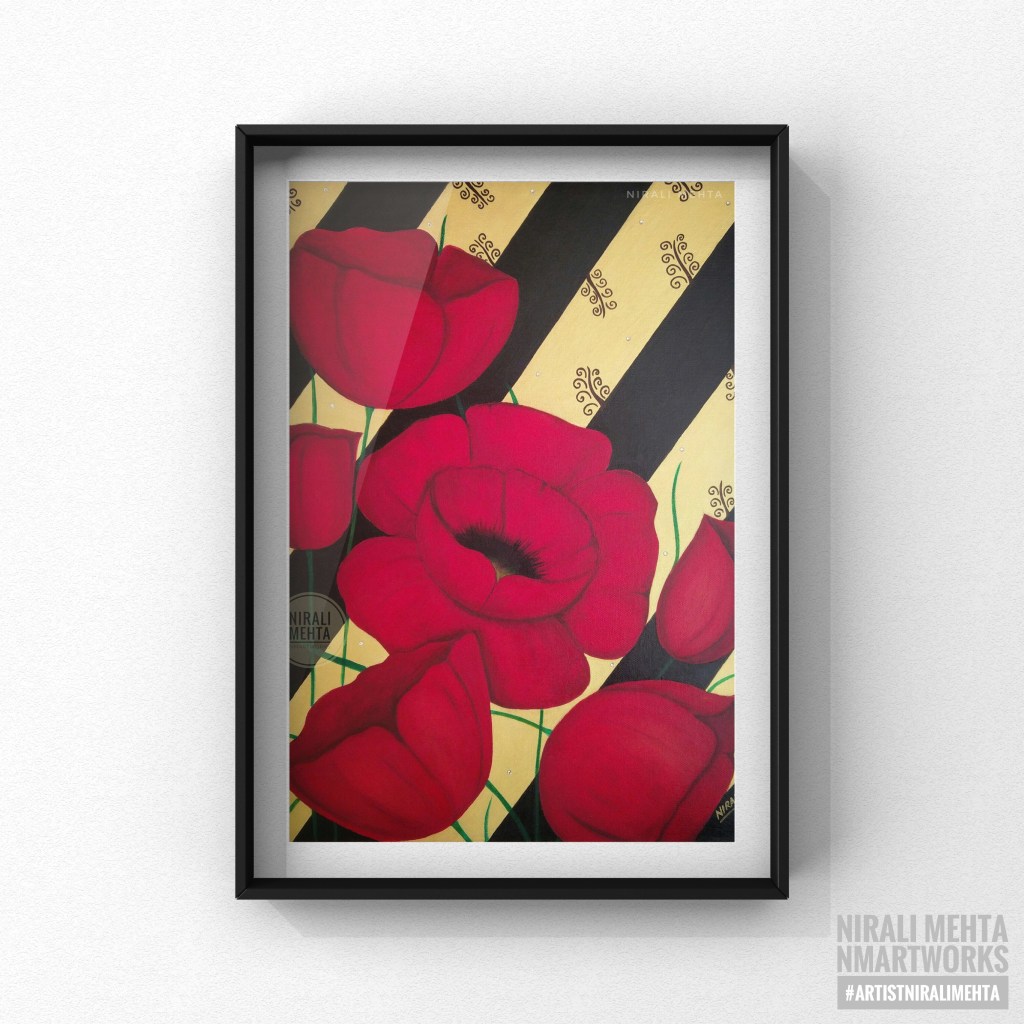
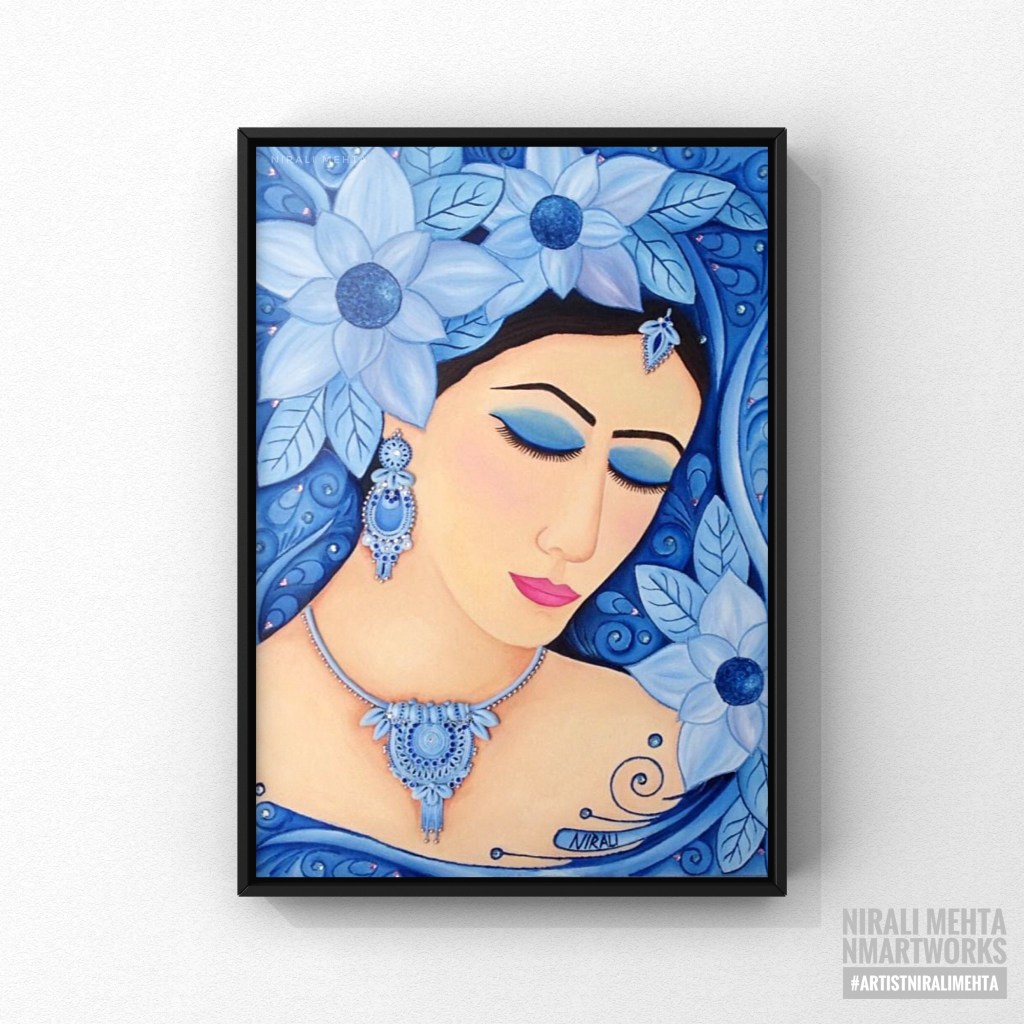


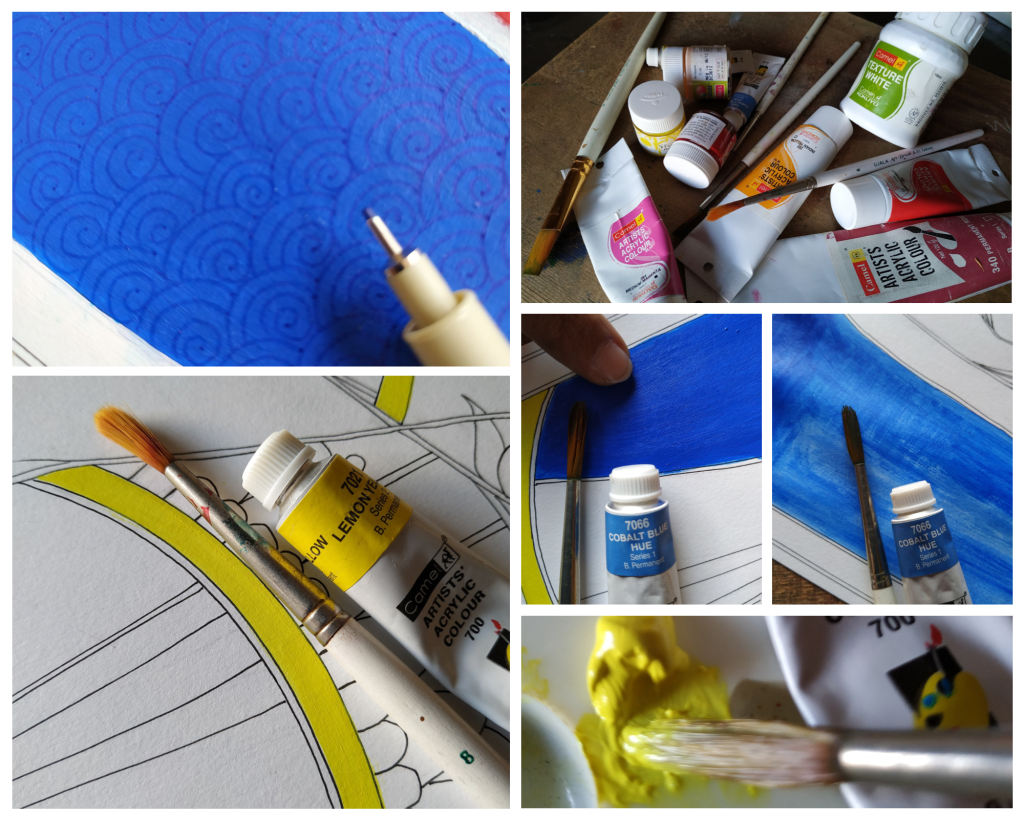











 NMartworks